

- India,
- 18-Apr-2026 04:29 PM IST


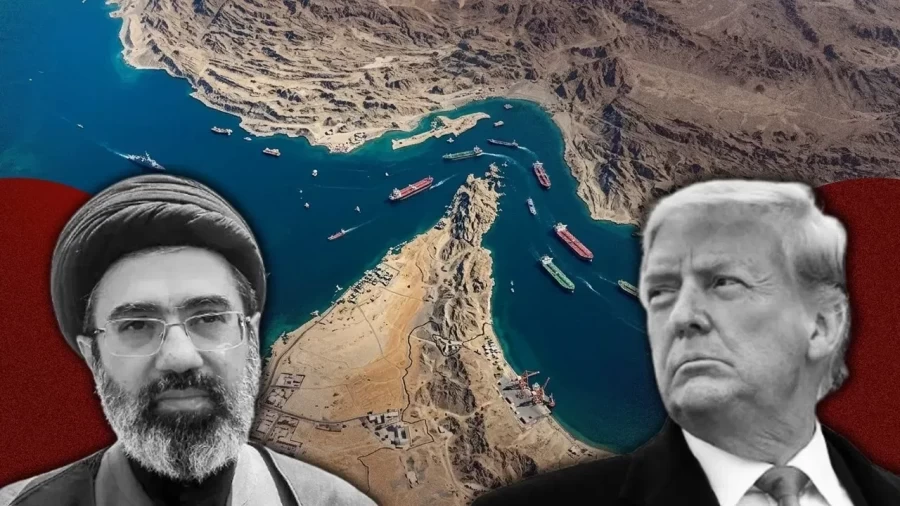
Iran has once again adopted a hardline stance regarding the Strait of Hormuz, with Iranian officials warning that the strategic waterway won't be fully reopened as long as the United States maintains its blockade. The Iranian military command stated that this action is a direct response to US measures. While Iran had previously indicated on Friday that the Strait would remain open for commercial vessels during the ceasefire period, it has now claimed to have re-closed the passage, citing the continuation of the American blockade as the primary reason.
Trump’s Ultimatum and Nuclear Program Demands
US President Donald Trump has maintained a firm position, asserting that the American blockade will remain in effect until Iran agrees to a significant deal regarding its nuclear program. Trump warned that if an agreement isn't reached, the United States could resume military strikes and secure Iran's uranium stockpiles through its own methods. He further specified that if a deal isn't finalized by Wednesday, the US might restart bombing operations. Trump mentioned that while the current ceasefire could either be extended or terminated, the blockade on Iranian ports would continue regardless, potentially necessitating further aerial attacks.
Refusal of Negotiations and Pakistani Mediation
Tehran has declined to participate in the next round of peace talks with the United States. According to media outlets linked to Iran's Islamic Revolutionary Guard Corps (IRGC), specifically Tasnim News, Iran has not consented to further negotiations at this stage. Reports indicate that Tehran communicated this decision to US officials through a Pakistani mediator. On top of that, the IRGC has accused the United States of 'maritime piracy,' describing the US blockade as a form of robbery on the high seas.
Strategic Importance and Conditional Access
The Iranian Ministry of Defense had earlier clarified that the Strait of Hormuz wasn't fully open and was only accessible under specific conditions during the ceasefire. Iran has explicitly forbidden military vessels and ships associated with 'enemy forces' from transiting the waterway. On top of that, Iranian authorities warned that these arrangements could be altered if pressure increases on Hezbollah, the Iran-backed organization in Lebanon. The Strait of Hormuz, situated between Iran and Oman, is a critical global oil transit point.
While some vessels were observed navigating the Strait after Iran's initial announcement to open it, the total volume of maritime traffic remains uncertain. The escalating tension continues to threaten global oil supplies, as the Strait remains one of the world's most vital maritime corridors. The situation remains volatile as the deadline for negotiations approaches.
