
- India,
- 06-Aug-2026 08:26 AM IST



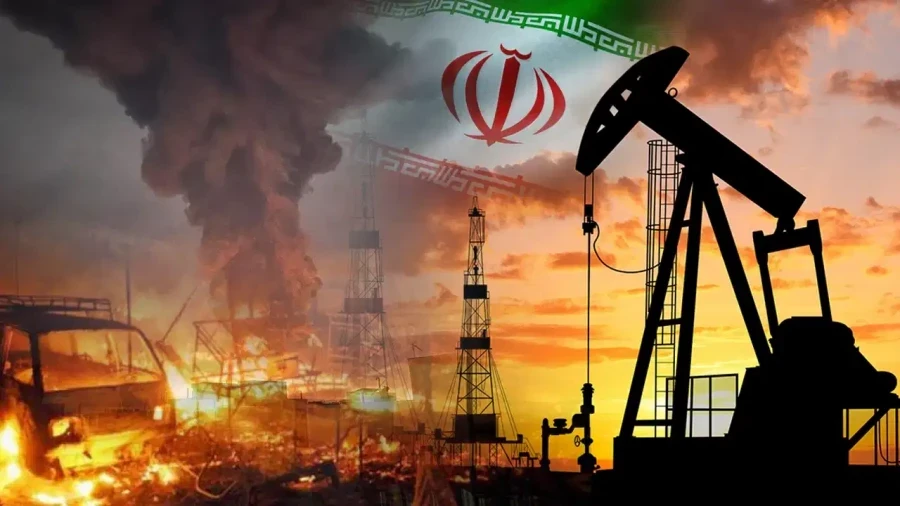
Iran has officially communicated a severe warning to neighboring Gulf countries, signaling a significant escalation in regional tensions. The Iranian leadership has made it clear that if the United States proceeds with any military action targeting Iran's energy infrastructure, the consequences won't be confined to Iranian borders. According to the latest reports, Tehran has warned that such an American attack would trigger a massive retaliatory response aimed at the entire region's energy network, while this includes a wide range of critical assets such as oil facilities, refineries, power grids, and other essential infrastructure components that are vital to the global energy supply chain.
Diplomatic Outreach and Regional Pressure
In a bid to prevent a direct military confrontation, Iranian Foreign Minister Abbas Araghchi has initiated a series of high-level diplomatic discussions. Reports from Reuters indicate that Araghchi has reached out to the top leadership of several key nations, including Saudi Arabia, Qatar, Turkey, and Pakistan. The primary objective of these communications is to urge these regional powers to exert their influence and put pressure on the United States to avoid any new military strikes. Iran's diplomatic strategy appears to be focused on highlighting the collective risk that a conflict would pose to the stability and economic interests of all neighboring states.
The Scope of Potential Retaliation
The Iranian warning is specific about the nature of its potential targets. By mentioning oil facilities and refineries, Iran is directly addressing the economic lifeline of the Gulf region. The threat to power grids and other critical infrastructure suggests a strategy intended to cause widespread disruption. Iran has emphasized that while it continues to seek a diplomatic resolution to the ongoing friction, its patience isn't infinite, while the Iranian government has stated that if an attack occurs, the subsequent response will be Notably larger and more impactful than any previous actions taken by the country. This stance is intended to serve as a deterrent against any planned military operations by the United States or its allies.
Saudi Intervention and Communication with Trump
The gravity of the situation has prompted immediate action from regional leaders. Saudi Crown Prince Mohammed bin Salman has reportedly taken a proactive role in attempting to de-escalate the crisis. Following the warnings from Tehran and the diplomatic outreach by Abbas Araghchi, the Crown Prince engaged in a direct conversation with US President Donald Trump. During this high-stakes communication, the Saudi leader appealed for the avoidance of military action and emphasized the necessity of continuing diplomatic dialogue. The involvement of the Saudi leadership underscores the deep concern within the Gulf regarding the potential for a full-scale regional conflict that could devastate the global energy market and regional security.
Iran's Stance on Diplomacy and Conflict
Despite the aggressive nature of its warnings, Iran maintains that its preferred path is one of diplomacy. The Iranian leadership has conveyed to regional partners that they're still open to a diplomatic solution to resolve the current impasse, while however, this openness is coupled with a firm commitment to a massive counter-strike if their sovereign energy assets are compromised. The message being sent to the international community is that the cost of a military strike on Iran would be shared by the entire region, thereby making the prevention of such an attack a collective responsibility for all neighboring countries and global powers involved in the Middle East.