
- India,
- 29-Sep-2026 05:40 PM IST



The Iranian currency, the Rial, has experienced its most significant collapse to date, reaching a staggering record low against the American dollar. In the midst of the ongoing conflict in the Middle East, the economic stability of Iran appears to be faltering as traders in Tehran reported that the exchange rate has crossed the threshold of 2500000 Rial for a single US dollar. This dramatic depreciation serves as a clear indicator of the severe toll that the regional war is taking on the Iranian economy, which is already grappling with various internal and external pressures.
A Rapid Decline in Currency Value
The speed at which the Rial is losing its value has alarmed economic observers, while just 27 days ago, on September 2, the currency had hit what was then a record low of 2200000 Rial per dollar. The fact that it has plummeted further to 2500000 Rial in less than a month highlights the accelerating nature of the crisis. Since the onset of the war, the Iranian currency has been consistently recording new lows. This downward spiral is occurring at a time when the Iranian economy is under immense strain due to international sanctions, significant trade barriers, and the escalating tensions across the Middle East region.
Intensifying Negotiations Over the Strait of Hormuz
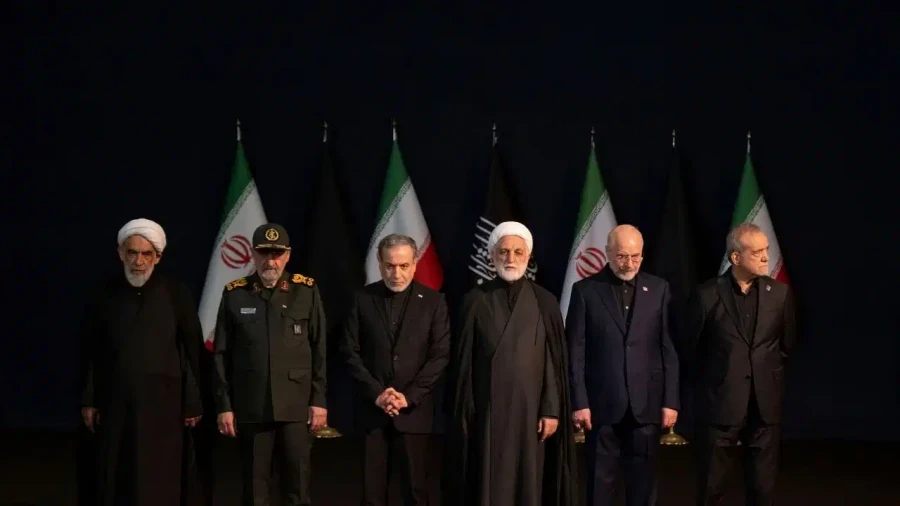
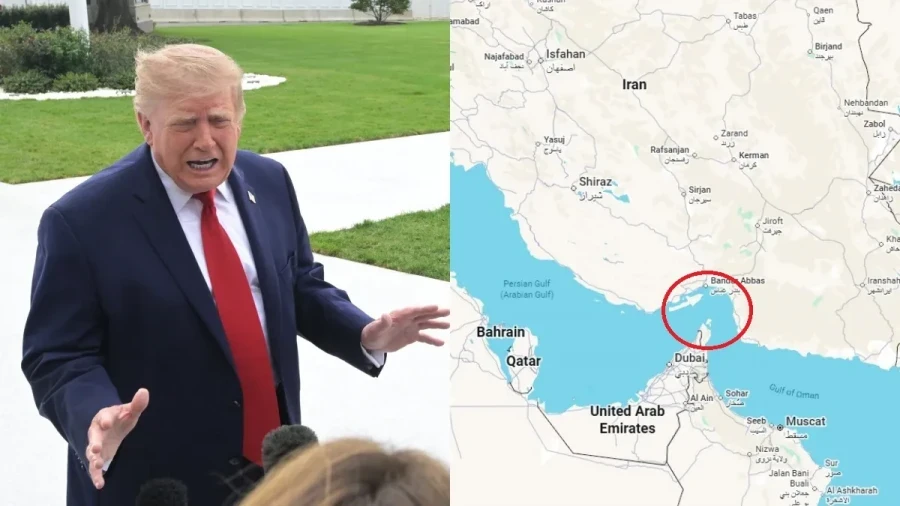
Amidst this economic turmoil, Iran's Foreign Minister Abbas Araghchi has stated that indirect negotiations with the United States have entered a more serious phase. The primary focus of these discussions is the reopening of the strategically vital Strait of Hormuz. Araghchi informed the Iranian media that mediators from Qatar are expected to engage with the American side regarding this issue very soon. According to the Foreign Minister, the next steps and decisions in Tehran will be determined once the response from the United States is received and analyzed.
Mediation Efforts by Qatar and Pakistan
Araghchi shared these updates before departing from New York, where he had been attending the United Nations General Assembly. During his stay, he held meetings with mediators from both Pakistan and Qatar, while according to American and regional officials, these mediators are working diligently to facilitate an agreement between Iran and the United States to end the hostilities and ensure the reopening of the Strait of Hormuz, which is a critical artery for global energy supplies.
Iran's Conditions and the American Rejection
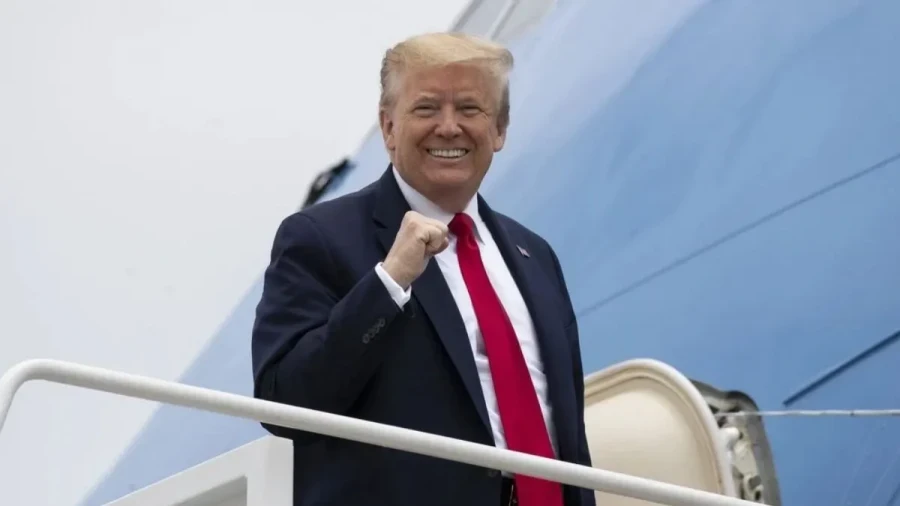
Earlier this week, US President Donald Trump rejected a proposal put forward by Iran. The Iranian side had set several conditions for the reopening of the Strait of Hormuz, which included the lifting of the American blockade, the release of Iran's frozen assets, and the easing of sanctions on Iranian oil sales. Iran had proposed that if these conditions were met, it could reopen the Strait of Hormuz within a period of 7 days. However, the rejection of these terms by the Trump administration has added another layer of complexity to the ongoing diplomatic efforts.
IRGC Calls for Public Protest in the United States
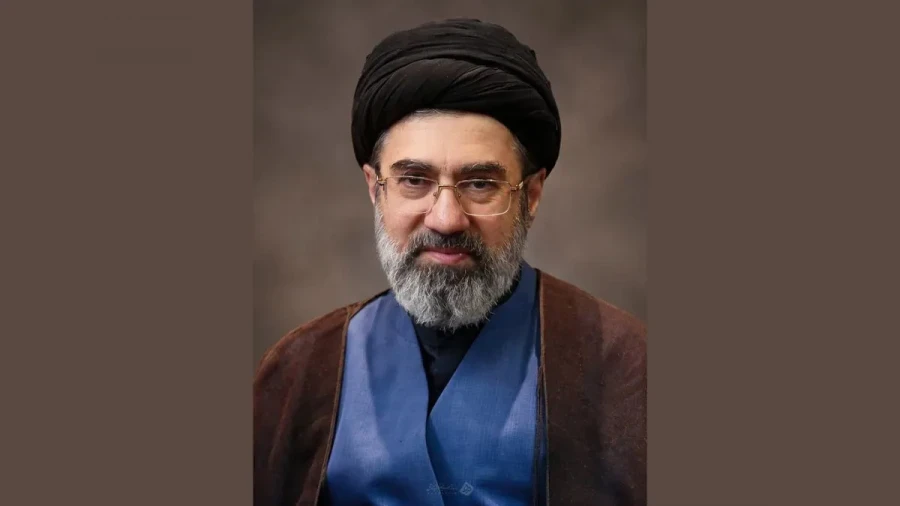
In a parallel development, General Hossein Mohebbi, a spokesperson for Iran's Islamic Revolutionary Guard Corps (IRGC), has appealed to American citizens to raise their voices against the war. During a press conference held on Tuesday, he urged Americans to exert pressure on their government. Mohebbi claimed that the only way to end the conflict is for the United States to accept its defeat and withdraw from the Middle East. He further accused the United States of using Iran's nuclear program as a mere pretext to seize the country's assets.
US Perspective on Iran's Economic Resilience
On the other hand, Donald Trump and his top advisors maintain that the Iranian economy can't withstand the pressure of a prolonged war. While the US President had initially expressed hope that the conflict would conclude within a few weeks of its start, he later suggested that the war might end after the US elections in November. Meanwhile, reports indicate that the rising fuel prices caused by the war have begun to influence the sentiments of American voters, adding a domestic political dimension to the international crisis.