

- India,
- 23-Mar-2026 02:00 PM IST


On the 24th day of the intensifying conflict in the Middle East, two Indian-flagged LPG tankers have commenced their transit from the strategic Strait of Hormuz towards Indian ports. The vessels, identified as Jag Vasant and Pine Gas, departed the Persian Gulf on Monday. This movement is taking place against a backdrop of heightened geopolitical friction between the United States and Iran regarding the control of this vital maritime corridor and the security of regional energy infrastructure, while according to officials, these vessels are navigating through one of the world's most sensitive and strategic maritime routes, essential for global energy stability.
Movement of Indian LPG Tankers and Maritime Safety
The Indian-flagged LPG tankers, Jag Vasant and Pine Gas, are currently en route to India from the Persian Gulf, while official maritime tracking data indicates that both vessels are moving towards the Larak and Qeshm straits. After successfully crossing the Strait of Hormuz, the tankers are expected to proceed with their cargo to designated Indian ports. The Strait of Hormuz is a critical chokepoint for the global oil and gas trade, with approximately 20% of the world's total petroleum consumption passing through it. In the context of the ongoing war, the safe passage of these vessels is considered paramount for India's energy security interests.
Escalation in Military Actions and Infrastructure Strikes
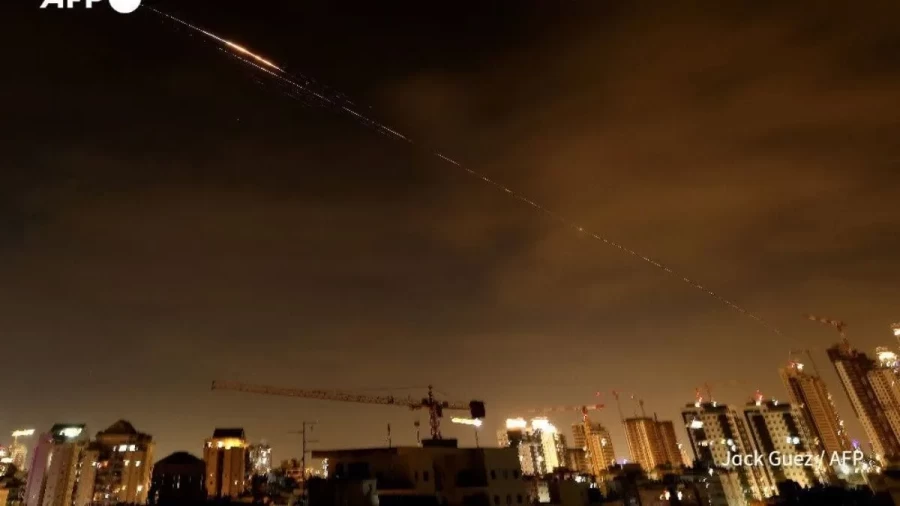
In recent military developments, Israeli forces have conducted extensive strikes on 40 strategic locations within Iran. These operations reportedly targeted the Iranian power grid and other critical energy facilities. Simultaneously, reports from the Al-Ahad news network indicate that a US fighter jet crashed in Kuwait. The report suggests the aircraft was targeted shortly before it went down, while these military escalations have Notably increased regional tensions, casting a shadow over international shipping lanes and raising concerns about the potential for broader regional instability.
Diplomatic Standoff Between the US and Iran
US President Donald Trump commented on the situation, stating that peace is achieved through strength. This statement comes as the US maintains its position on keeping the Strait of Hormuz open for international commerce at any cost. Conversely, Iran has issued a stern warning, declaring that it will completely shut down the Strait of Hormuz if the US follows through on threats to target Iranian energy plants. Currently, Iran is allowing only vessels from friendly nations to pass through the strait under its specific conditions. Plus, Tehran has threatened to target the US IT sector in response to any aggression.
Russian Support for Iran and Regional Alliances
In the realm of regional diplomacy, Russia has reaffirmed its support for Iran. Russian President Vladimir Putin extended greetings to Iranian President Masoud Pezeshkian on the occasion of Nowruz, the Persian New Year. In a message released by the Mehr News Agency, Putin described Tehran as a loyal friend and a reliable ally. The Russian leader expressed confidence that the Iranian people would face current wartime difficulties with resilience. Russia remains one of Tehran's most significant diplomatic partners and has repeatedly condemned US and Israeli military actions against Iran.
Israeli Security Concerns and Missile Capabilities
Israeli Prime Minister Benjamin Netanyahu has voiced grave concerns regarding Iran's expanding missile capabilities. According to Netanyahu, recent Iranian missile strikes on Diego Garcia demonstrate that the Persian Gulf nation possesses the capability to reach targets as far as Europe. During a visit to the city of Arad, which suffered casualties from Iranian missile fire, Netanyahu emphasized that Iran poses a threat not only to Israel but to the entire world, while he stated that Israel and the United States are fighting together on behalf of the international community against this global threat.
