

- India,
- 04-Apr-2026 09:01 AM IST


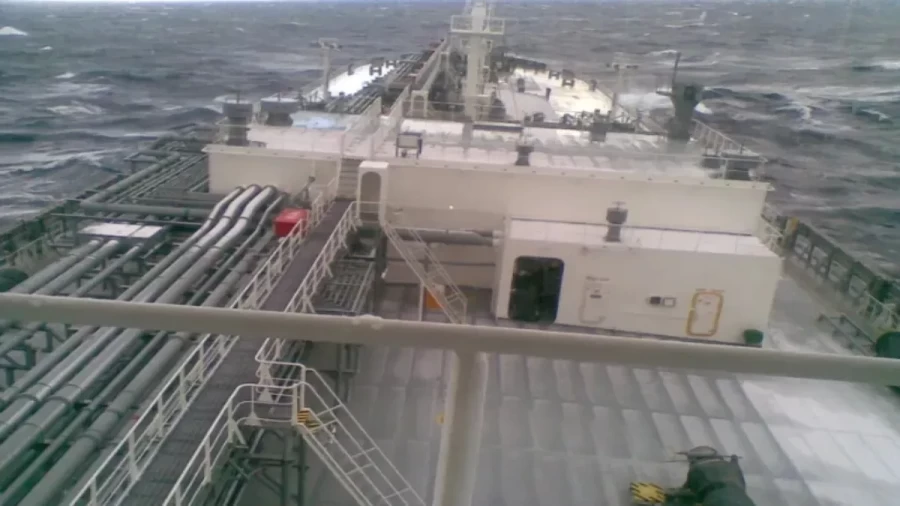
In a significant development for India's energy security, the Indian-flagged LPG tanker 'Green Sanvi' has successfully navigated through the Strait of Hormuz, while according to official tracking data, the vessel is carrying over 44,000 metric tons of Liquefied Petroleum Gas (LPG) and is currently heading towards the Indian coast. The successful transit of this tanker amidst heightened geopolitical tensions in West Asia is seen as a crucial step in maintaining domestic fuel supplies. Officials indicate that the ship is expected to dock at Mumbai port by April 6.
Details of the Transit and Route
Tracking data reveals that Green Sanvi utilized a maritime corridor within Iranian territorial waters to complete its passage. After crossing the Strait of Hormuz on Friday, the vessel has entered the Arabian Sea and is maintaining its course toward Mumbai, while this transit marks the seventh instance of an Indian-flagged vessel crossing this strategic waterway during the month of March. The movement of these vessels continues despite the ongoing regional conflict involving Iran, Israel, and the United States.
Impact on Energy Security and Supply Chain
The persistent instability in the Persian Gulf has raised concerns regarding the consistency of LPG and crude oil supplies to India, while the arrival of Green Sanvi is expected to bolster domestic reserves. Following this transit, two more Indian tankers, 'Green Asha' and 'Jag Vikram', are also anticipated to cross the Strait shortly. Ensuring the safe passage of these vessels remains a priority for Indian authorities to prevent any potential shortage of cooking gas in the domestic market.
Status of Indian Vessels and Diplomatic Efforts
Currently, approximately 17 Indian-flagged vessels remain in the Persian Gulf, positioned east of the Strait of Hormuz. These ships are awaiting necessary clearances from Iranian authorities to proceed with their journeys. The Indian government is engaged in continuous diplomatic dialogue with Iran to facilitate the safe and timely passage of these merchant vessels. Reports suggest that while Iran has increased monitoring and toll collection in the Strait, it has provided certain concessions to Indian vessels due to the long-standing bilateral ties between the two nations.
Strategic Importance of the Strait of Hormuz
The Strait of Hormuz serves as one of the world's most vital energy transit chokepoints, through which a substantial portion of global oil and gas supplies pass. For India, this route is indispensable as it connects the country to its primary energy suppliers in the Gulf region. The Indian government remains in close coordination with maritime security agencies and international partners to monitor the situation and ensure that the energy supply chain remains uninterrupted despite the regional volatility.
