

- India,
- 11-Mar-2026 05:45 PM IST


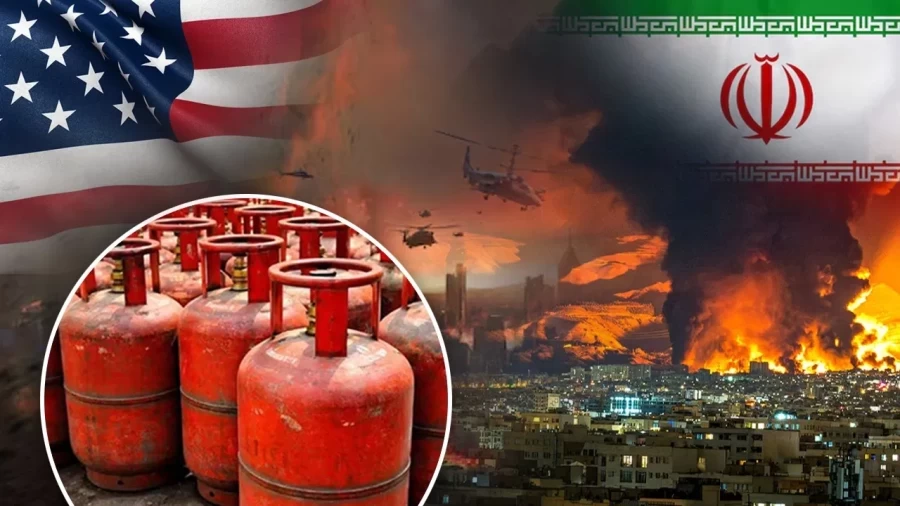
The prices of Liquefied Petroleum Gas (LPG) in India have seen a significant upward revision as oil marketing companies adjust rates in response to global cues. Both domestic and commercial cylinder categories have been affected by this price hike. According to industry officials, the primary driver behind this increase is the escalating geopolitical tension in the Middle East, specifically between Iran and Israel. The conflict has triggered volatility in international energy markets, forcing domestic suppliers to pass on the increased costs to consumers. The government has initiated several measures to ensure that the supply chain remains resilient despite these external pressures.
Geopolitical Tensions and Global Supply Chains
The ongoing conflict between Iran and Israel has created substantial ripples across the global energy landscape. A major point of concern is the potential disruption at the Strait of Hormuz, a critical maritime corridor for global oil and gas shipments. According to energy analysts, any instability in this region leads to a spike in freight charges and insurance premiums for cargo vessels. As India imports a significant portion of its energy requirements through these routes, the increased logistical costs and higher global benchmark prices have directly impacted the domestic pricing structure of LPG.
Revised Pricing Structure for LPG Cylinders
Effective from March 7, 2026, oil marketing companies have implemented a price hike of approximately ₹60 for domestic LPG cylinders. 2 kg cylinder in Delhi is now priced at ₹913. Simultaneously, the price of 19 kg commercial cylinders has been increased by approximately ₹114 to ₹115, bringing the cost to around ₹1883 in the national capital. Similar price adjustments have been reported in other major metropolitan cities including Mumbai, Bengaluru, and Chennai, affecting the operational costs of the hospitality and catering sectors.
India's Import Dependency on Middle Eastern Nations
India's energy security is closely linked to the stability of the Middle East, as the country imports nearly 60% of its total LPG requirement. Data from the Ministry of Petroleum and Natural Gas indicates that about 80% to 90% of these imports originate from nations such as Saudi Arabia, Qatar, Kuwait, and the United Arab Emirates. The current geopolitical friction in the region poses a direct challenge to the steady flow of these imports. The government is currently monitoring the situation to mitigate the impact of international price fluctuations on the Indian market.
Regulatory Measures to Ensure Domestic Supply
In response to the price hike and reports of supply constraints in certain pockets, the Ministry of Petroleum has issued directives to oil refineries to maximize domestic LPG production. To prevent hoarding and black marketing, the government has enforced a mandatory 25-day gap between two cylinder bookings for domestic consumers. On top of that, administrative instructions have been issued to prioritize supply to essential sectors, including hospitals and educational institutions, ensuring that the most critical needs are met without disruption.
Official Stance from the Ministry of Petroleum
Union Petroleum Minister Hardeep Singh Puri has addressed the situation, stating that there is no shortage of cooking gas for domestic consumers. He emphasized that the government is taking all necessary steps to maintain a steady supply across the country. The Minister urged citizens to refrain from panic-buying or stockpiling additional cylinders. According to official statements, the government is exploring alternative supply sources and is in constant communication with international suppliers to stabilize the energy market and protect domestic interests from global volatility.
