

- India,
- 10-Mar-2026 12:16 PM IST


The Government of India has taken decisive measures to safeguard the nation's energy security amid escalating geopolitical tensions in the Middle East and the potential for a US-Iran conflict, while the Ministry of Petroleum and Natural Gas has invoked the powers vested under the Essential Commodities Act (ECA), 1955, to prioritize the distribution of domestic gas. This strategic decision is aimed at ensuring that any disruption in the global fuel supply chain doesn't adversely affect Indian households or the transportation sector. According to official statements, the ministry has directed oil refineries to ramp up LPG production to meet domestic demand as global supply routes face increasing pressure.
Invocation of Essential Commodities Act 1955
To regulate the availability, supply, and equitable distribution of petroleum and natural gas, the central government has utilized the provisions of the Essential Commodities Act, 1955. Under this framework, the government has established a clear hierarchy for natural gas allocation. The primary objective is to ensure 100% supply for domestic Piped Natural Gas (PNG) and Compressed Natural Gas (CNG) used in vehicles. Following these priorities, the government has set a target of approximately 70% supply for fertilizer plants and 80% for industrial sectors. This ensures that in the event of a gas shortage, the residential and transport sectors remain the least affected.
Measures to Boost Domestic LPG Production
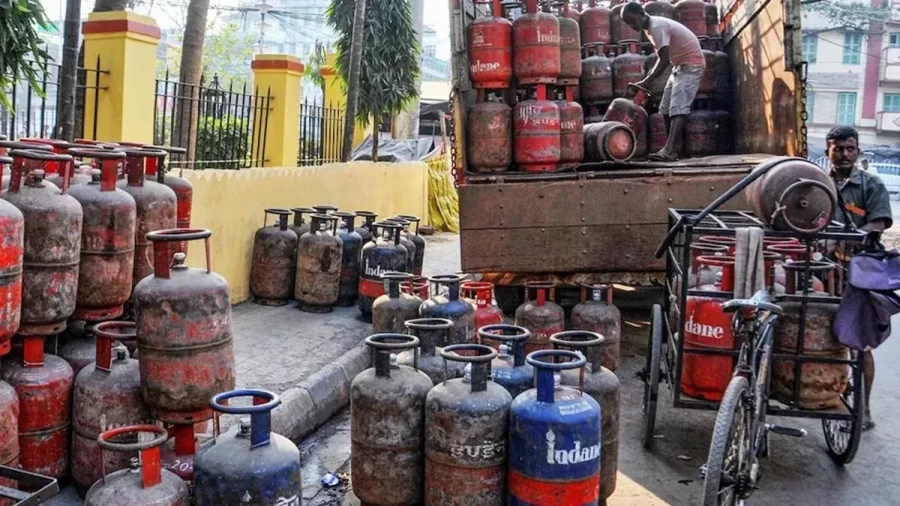
The Ministry of Petroleum has issued specific directives to oil refineries to maximize their LPG output. This additional production is mandated to be utilized strictly for domestic consumption. To prevent hoarding and black marketing during this period of uncertainty, a 25-day inter-booking rule has been implemented for LPG cylinders. This regulation prevents consumers from booking a second cylinder within 25 days of the previous booking. Also, imported LPG is being strategically reserved for essential non-domestic users, including hospitals and educational institutions, to maintain the continuity of critical public services.
Impact of Strait of Hormuz Closure on Imports
India's reliance on energy imports remains a significant factor in its policy decisions. 8 million tons were produced domestically. The remaining requirement was met through imports, with nearly 85-90 percent originating from countries like Saudi Arabia. These imports are heavily dependent on the Strait of Hormuz, a critical maritime chokepoint. Recent military tensions and retaliatory actions in the region have led to the closure of this route, prompting concerns over supply stability. Reports of temporary supply shutdowns by Iraq, Kuwait, and Qatar have further necessitated these proactive domestic measures.
Oversight Committee for Non-Domestic Users
Recognizing the potential impact on the commercial sector, the ministry has constituted a high-level review committee to oversee LPG supplies for non-domestic users such as hotels, restaurants, and industries. The committee comprises three Executive Directors (EDs) from the public sector Oil Marketing Companies (OMCs). This body is tasked with reviewing the demands and supply logistics for the commercial sector to minimize operational disruptions. The government maintains that while domestic households are the priority, efforts are being made to balance the requirements of the broader economy amidst the ongoing global energy crisis.
