

- India,
- 09-Mar-2026 08:08 PM IST


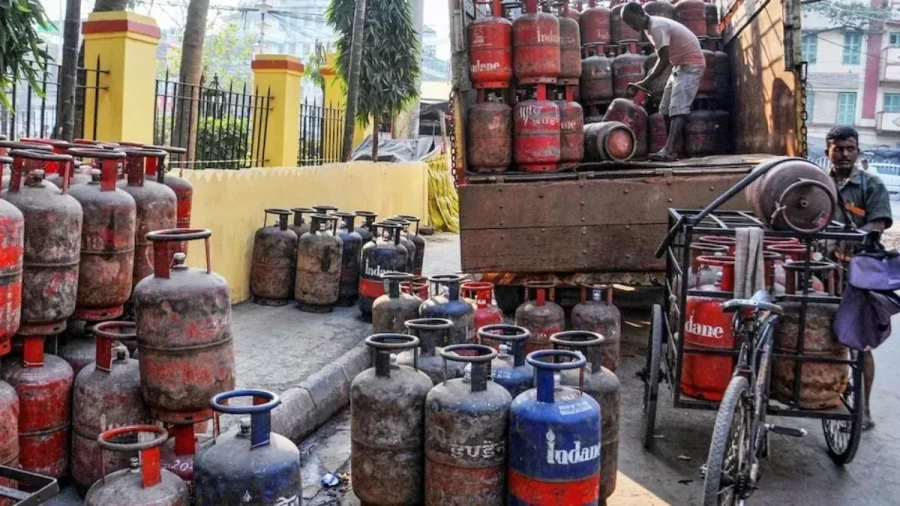
The Central Government has implemented stringent measures to prevent the hoarding and black marketing of Liquefied Petroleum Gas (LPG) cylinders across the country. According to official sources, the mandatory interval between two consecutive cylinder bookings has been increased from 21 days to 25 days. This decision comes in response to reports of panic buying and artificial demand spikes triggered by geopolitical tensions in the Gulf region, while government officials stated that the primary objective of this policy shift is to stabilize the supply chain and ensure that genuine domestic consumers receive their refills without unnecessary delays caused by hoarding practices.
Data analyzed by the Ministry of Petroleum and Natural Gas indicated an unusual shift in consumer behavior over the past few weeks. Consumers who typically booked a refill every 55 days were found attempting to book within just 15 days due to rumors of potential fuel shortages. To counter this trend, the government decided to regulate the booking cycle more strictly, while authorities have clarified that India maintains adequate stocks of petrol, diesel, and LPG, and any fears regarding a national shortage are entirely unfounded. The new regulation is a preemptive measure to maintain market equilibrium.
Implementation of the New 25-Day Booking Cycle
Under the revised guidelines, no consumer will be permitted to book a new LPG cylinder before the completion of 25 days from their previous booking. For instance, if a consumer booked a cylinder on 1 March, they would have been eligible for another booking on 22 March under the old 21-day rule. However, according to the new mandate, the next booking will only be accepted on or after 26 March. Officials emphasized that this is a temporary measure designed to address the current market situation. Oil Marketing Companies (OMCs) have been directed to synchronize their digital booking platforms with these new parameters to ensure smooth enforcement across all distribution networks.
Directives for Enhanced Refinery Production
To bolster the supply side of the energy market, the government has issued formal directives to both public and private sector refineries to maximize LPG production, while according to ministry sources, refineries have been asked to optimize their processing units to prioritize the output of liquefied petroleum gas. The goal is to flood the market with sufficient supply to discourage any attempts at black marketing. On top of that, refineries are required to maintain high levels of transparency in their inventory reporting, allowing the government to monitor stock levels in real-time and intervene if any regional imbalances are detected.
Prioritizing Domestic Supply Over Commercial Use
The government has mandated that Oil Marketing Companies must prioritize domestic LPG connections over commercial and industrial segments, while official sources confirmed that meeting the energy needs of households remains the top priority for the administration. Gas agencies and distributors have been instructed to ensure that domestic deliveries aren't delayed in favor of commercial orders. On top of that, authorities are intensifying inspections to prevent the illegal diversion of domestic cylinders for commercial purposes, a practice that often contributes to artificial shortages in the residential sector.
Strategic Diversification of International LPG Sources
In light of global supply chain uncertainties, India is actively exploring and diversifying its international LPG procurement sources. Official reports indicate that several countries, including Algeria, Australia, Canada, and Norway, have approached India with proposals to supply LPG. The government is currently evaluating these offers to strengthen national energy security and reduce over-dependence on any single geographical region. This strategic move is intended to safeguard the domestic market against future global price volatility or supply disruptions arising from geopolitical conflicts.
Official Assurances on National Fuel Security
Public sector oil companies and the Ministry of Petroleum have issued joint statements assuring the public that there is no shortage of fuel in the country. Companies are utilizing various communication channels to inform customers that petrol pumps and gas agencies are operating with sufficient inventory. Officials have urged citizens not to succumb to unverified reports or rumors circulating on social media platforms. The government has also warned of strict legal action against individuals or agencies found guilty of hoarding or engaging in unfair trade practices. Monitoring committees at the district level have been activated to oversee the smooth distribution of essential fuels.
