

- India,
- 04-Apr-2026 09:46 PM IST


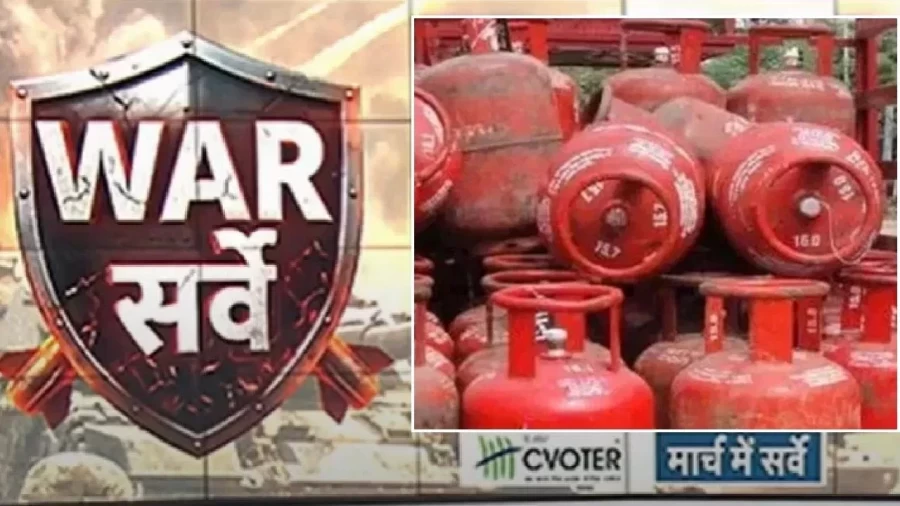
The escalating military and diplomatic tensions between Iran and the United States are beginning to resonate within Indian households through global energy market fluctuations. According to the comprehensive 'War Survey' conducted by C-Voter, a significant portion of the Indian population is experiencing anxiety over economic instability and specifically the potential hike in Liquefied Petroleum Gas (LPG) prices. The survey results indicate that approximately 60% of Indian citizens are worried about the rising cost of cooking gas, while 82% believe that a surge in crude oil prices will inevitably lead to higher transportation and essential commodity costs.
Geopolitically, the friction in the Strait of Hormuz has created substantial uncertainty regarding the supply chain of LPG and petroleum products. Given that India imports a vast majority of its energy requirements, any military confrontation in West Asia directly impacts domestic pricing. This C-Voter survey, which includes opinions from citizens across all states and districts, underscores the public's apprehension regarding the economic fallout of the conflict and its direct impact on daily life.
Public Concern Over Rising Fuel Costs
When asked about their level of concern regarding the increasing cost of kitchen fuel, respondents exhibited high levels of anxiety. Data from the fourth week of March shows that 27% of participants identified as being 'very concerned' about the situation. ' Combined, more than half of the surveyed population is grappling with the fear of price hikes. In contrast, only 26% of respondents reported having no concerns regarding fuel prices. The trend shows a slight increase in anxiety from the third to the fourth week of March, reflecting public sensitivity to evolving global events.
Projections on Potential LPG Price Hikes
The survey also gauged public expectations regarding the magnitude of the price increase. Approximately 34% of respondents believe that LPG prices could rise between 10-20%. A more significant concern was voiced by 26% of participants, who anticipate a price hike ranging from 20% to 50%. Most notably, 13% of the respondents fear that in the event of a full-scale conflict, the prices of cooking gas could double, exceeding a 100% increase. These figures highlight a deep-seated distrust and fear among the general public regarding inflation and energy security during geopolitical crises.
Availability of Alternative Fuel Sources
The survey provided critical insights into the availability of alternative energy resources in the event of a crisis. According to the data, 50% of Indians currently lack any alternative source of fuel in their kitchens. Only 36% of respondents confirmed having means other than LPG for cooking. Among those without alternatives, 35% expressed plans to invest in alternative sources in the future. However, 45% of this group currently has no plans to acquire alternative fuel sources, indicating either financial constraints or a strategy of waiting for the situation to stabilize before making new investments.
Consumer Strategies During Fuel Shortages
The survey explored how Indian families might adapt if fuel becomes scarce or prices become prohibitive. Approximately 66% of respondents indicated that they would revert to traditional fuels such as cow dung, traditional stoves (chulhas), and wood. This high percentage underscores a continued reliance on traditional energy security methods, particularly in rural and semi-urban areas. Plus, 16% of participants mentioned they would switch to electricity-based appliances like induction cooktops and electric cookers. Interestingly, 8% of respondents stated they would reduce the consumption of hot meals to conserve fuel, signaling a potential shift in lifestyle during an energy crisis.
Survey Methodology and Statistical Scope
This survey was conducted by C-Voter through a snap poll methodology during the second, third, and fourth weeks of March. The data was collected via telephonic interviews, covering all districts across all states and Union Territories of India. The results are presented with a margin of error of +/- 5%. The findings are based entirely on public opinion and provide an objective representation of the Indian citizenry's perspective on the current geopolitical tensions and their domestic economic implications.
