

- India,
- 04-Apr-2026 09:50 PM IST


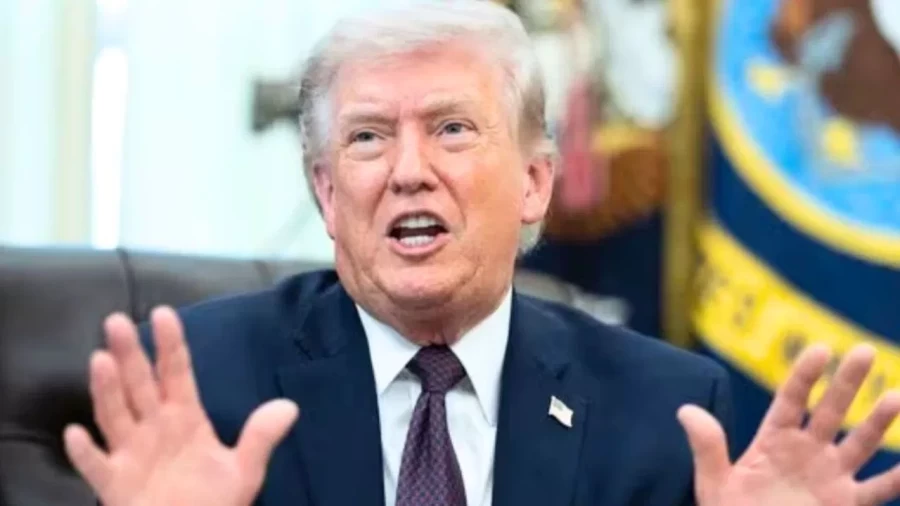
United States President Donald Trump has escalated tensions in the Middle East by issuing a fresh 48-hour ultimatum to the Iranian leadership. The President stated that Iran has a very limited window to enter into a formal agreement or face severe repercussions. This announcement follows a previous 10-day deadline set by the US administration for Iran to facilitate the reopening of the Strait of Hormuz, a critical maritime chokepoint. Trump’s rhetoric suggests a shift toward more direct action if diplomatic or economic concessions aren't met within the stipulated timeframe.
The ultimatum comes amid a series of military provocations and economic sanctions that have strained relations between Washington and Tehran. While President Trump has claimed that the Iranian military and its radar capabilities have been Notably degraded, recent events on the ground suggest a more resilient Iranian defense. The situation remains fluid as the international community monitors the expiration of this deadline, which could dictate the future of maritime security and energy stability in the Persian Gulf region.
The 48-Hour Deadline and Strategic Demands
President Donald Trump emphasized that the 48-hour window is the final opportunity for Iran to avoid further escalation. According to statements made by the President, the US has successfully weakened Iran’s strategic position over the past few weeks. Trump asserted that with a little more time and pressure, the United States could unilaterally ensure the opening of the Strait of Hormuz. He highlighted the potential for the US to secure oil transit through the region, suggesting that such a move would yield significant economic benefits. The Strait of Hormuz is vital for global energy markets, as approximately 20% of the world's total petroleum consumption passes through this narrow waterway daily.
Military Escalation and Reported Aircraft Losses
Despite the administration's claims of Iranian military weakness, reports emerged on Friday indicating a direct military confrontation. Iranian officials claimed to have shot down a US fighter jet operating near its airspace. According to reports, one pilot was successfully rescued while a search operation continues for the second crew member. Plus, Iran alleged that it had damaged another US aircraft during the same engagement. These developments have led to increased scrutiny of the President's assertions regarding Iran's diminished capabilities. Military analysts suggest that Iran’s air defense systems remain a formidable challenge to US aerial operations in the region.
Diplomatic Isolation and Refusal from NATO Allies
The US administration is facing significant hurdles in building an international coalition against Iran, while french President Emmanuel Macron has publicly criticized the unilateral nature of the US military approach, stating that France wouldn't provide military support for a conflict it didn't help initiate. Similarly, British Prime Minister Keir Starmer has declined to involve UK forces in the current hostilities, suggesting that any cooperation would only occur in a post-conflict stabilization phase, while other NATO members have also expressed reluctance to join the US-led effort, leaving Washington to navigate the crisis without the broad support of its traditional Western allies.
Domestic Criticism and Internal Political Friction
Within the United States, President Trump’s strategy has met with opposition from various political quarters. Critics argue that the administration's failure to consult with allies before escalating military tensions has left the country vulnerable. Former National Security Advisor John Bolton remarked that initiating such a high-stakes conflict without a pre-established coalition was a strategic error, while domestic lawmakers have raised concerns about the lack of a clear exit strategy and the potential for a prolonged engagement in the Middle East. The internal debate highlights a growing divide over the effectiveness of 'maximum pressure' tactics versus traditional multilateral diplomacy.
Impact on Global Energy Markets and Maritime Security
The ongoing standoff in the Persian Gulf has sent ripples through the global economy. The threat of a total blockade of the Strait of Hormuz has introduced significant volatility into crude oil prices. While the Trump administration maintains that military intervention could stabilize the route, energy experts warn that any active combat in the region could lead to a massive spike in energy costs, while shipping companies have already reported increased insurance premiums for vessels traversing the Gulf. As the 48-hour deadline approaches, the focus remains on whether a diplomatic breakthrough can be achieved to prevent a disruption that could impact global supply chains and economic stability.
