

- India,
- 04-Apr-2026 02:02 PM IST


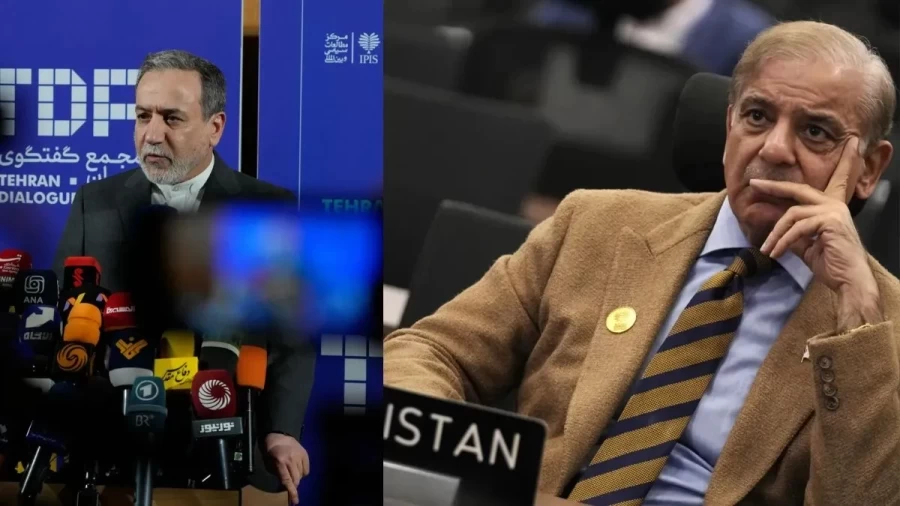
Iran has delivered a significant blow to Pakistan's diplomatic ambitions by rejecting its proposal to mediate a ceasefire with the United States and Israel. According to high-level diplomatic reports, Tehran has not only dismissed the mediation offer but has also flatly refused to accept the conditions laid out by the administration of Donald Trump. On top of that, Iran has reportedly declined to participate in any peace talks hosted on Pakistani soil, leaving the leadership in Islamabad in a precarious position as they attempt to maintain their international standing.
Tehran Rejects Diplomatic Overtures from Islamabad
The Iranian leadership has communicated its refusal to engage in negotiations under the current framework proposed by Pakistan. Prime Minister Shehbaz Sharif and Army Chief General Asim Munir had been actively positioning Pakistan as a neutral bridge between Washington and Tehran. However, Iran's firm stance indicates a lack of trust in the mediation process or the terms being offered. This rejection is seen as a major setback for Pakistan's foreign policy, which aimed to secure a pivotal role in resolving the Middle East crisis and strengthening ties with the US administration.
Reports of Military Escalation and Aircraft Losses
Parallel to the diplomatic deadlock, the military situation in the region has intensified. Reports from the ground suggest that Iran has ramped up its offensive against US and Israeli assets in the Middle East. Claims have emerged that within the last 24 hours, Iranian forces targeted and downed several US military aircraft, including F-35 and F-15 fighter jets, an A-10 Thunderbolt II, and multiple military helicopters. While these claims remain subject to independent verification, they underscore Iran's shift toward military escalation over diplomatic engagement following the recent strikes on its territory.
Pakistan Foreign Office Denies Mediation Failure
In response to widespread reports regarding the failure of its peace initiative, the Pakistan Foreign Office has issued a formal denial, while " The Pakistani government maintains that its efforts to facilitate regional peace are ongoing and that any claims of a definitive rejection by Tehran are premature. Despite these denials, internal reports suggest a growing concern within the Pakistani establishment regarding how to address the situation with the Trump administration, given the lack of progress.
Diplomatic Deadlock and Regional Implications
The prominent Pakistani daily, Dawn, reported that while messages were exchanged between Washington and Tehran via Islamabad, the process has hit a stalemate. An anonymous Pakistani official cited in the report expressed surprise that despite the large-scale destruction of its naval, air, and civilian infrastructure, Iran has shown no inclination to respond positively to calls for dialogue. Both Pakistan and China have reportedly urged Iran to join the negotiating table, but Tehran has yet to signal any readiness for formal discussions. This deadlock places immense pressure on the Pakistani leadership, which had assured the US of its influence over Tehran.
The Role of International Actors in the Conflict
The current hostilities trace back to the joint US-Israeli strikes on February 28, which targeted high-ranking Iranian officials, including Supreme Leader Ayatollah Ali Khamenei. Since then, the region has been on the brink of a full-scale war, while while Pakistan has managed to avoid direct involvement in the military conflict, its failure to broker a ceasefire highlights the complexities of Middle Eastern geopolitics. Iranian President Masoud Pezeshkian and Foreign Minister Abbas Araghchi remain in contact with Pakistani officials, but the focus in Tehran appears to be on consolidating its defensive and offensive capabilities rather than pursuing immediate peace talks.
