

- India,
- 10-Mar-2026 08:31 AM IST


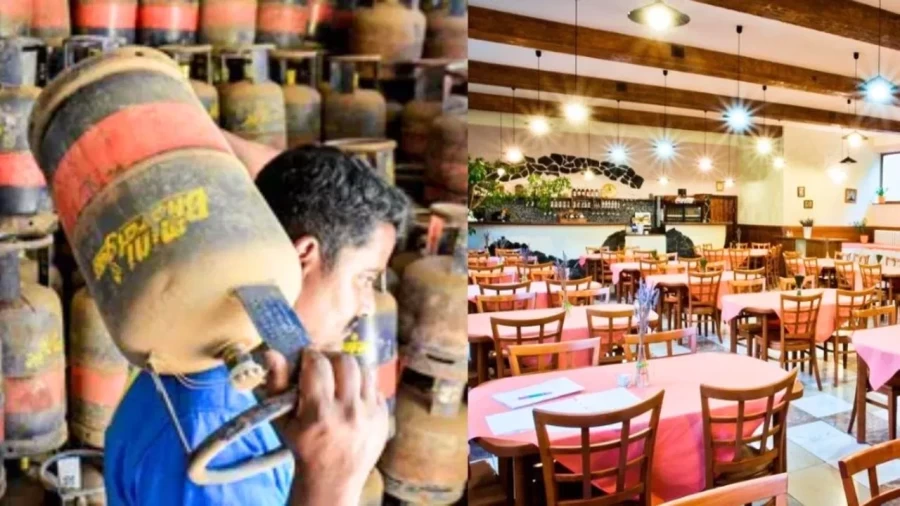
The Bengaluru Hotels Association (BHA) issued an official notice on Monday, announcing that hotels and restaurants across the city will remain closed starting March 10. This decision follows a sudden and total halt in the supply of commercial LPG cylinders. According to the association, oil marketing companies have suspended supplies without prior notice, creating an operational crisis for the food service sector. The BHA has appealed to the concerned Union Ministers and local Members of Parliament to take immediate action to resume commercial gas supplies and support the hospitality industry.
Disruption of Essential Public Services
The association emphasized that the hotel industry is classified as an essential service. The sudden closure is expected to cause significant hardship to the general public, particularly senior citizens, students, and medical professionals who rely on these establishments for their daily meals. In a metropolitan city like Bengaluru, a vast population depends on external food services, and the disruption in gas supply threatens this entire ecosystem. Association officials stated that it's impossible to prepare meals and breakfast without fuel, leaving them with no choice but to suspend operations until the supply is restored.
Breach of Supply Commitments by Oil Firms
According to the Bengaluru Hotels Association, oil marketing companies had previously assured the industry that there would be no disruption in gas supply for at least 70 days. However, despite these assurances, the supply was abruptly cut off, which the association described as a major blow to the industry. Hotel owners argue that such sudden decisions not only affect business continuity but also jeopardize the livelihoods of thousands of workers employed in the sector, while the association suggested that if there were a genuine shortage, the government should have implemented proportional cuts rather than a complete shutdown of supply.
Geopolitical Tensions Affecting Energy Logistics
The primary cause behind this crisis is attributed to the ongoing conflict in West Asia. Rising tensions involving Israel, Iran, and the United States have created significant uncertainty in the global energy market, while international crude oil prices have surged past the $100 per barrel mark, impacting global supply chains. The Bengaluru Hotels Association believes that the rising global energy costs and logistical hurdles have directly affected local commercial gas distribution. Amidst this uncertainty, there have been signs of panic buying in the market, further straining the available resources.
Regulatory Measures to Prevent LPG Hoarding
In response to the potential shortage and to prevent hoarding, the Central Government has introduced stricter regulations. In a significant move on Monday, the government increased the mandatory interval for LPG cylinder bookings from 21 days to 25 days. According to officials, this step is aimed at curbing elements that create artificial scarcity in the market. The government maintains that extending the booking period will allow for more effective stock management and ensure that gas reaches genuine consumers. This regulation is intended to balance supply across both domestic and commercial sectors.
Official Stance on Supply and Price Stability
Government officials have clarified that there is currently sufficient LPG supply available in the country and there is no need for panic. The changes in booking rules have been implemented solely as a measure for effective stock management. Plus, officials stated that despite international crude oil rates exceeding $100 per barrel, there will be no immediate increase in the prices of petrol and diesel. Public sector oil marketing companies, including Indian Oil, Bharat Petroleum, and Hindustan Petroleum, will currently absorb the cost pressures to maintain price stability in the domestic market.
