

- India,
- 07-Mar-2026 09:32 AM IST


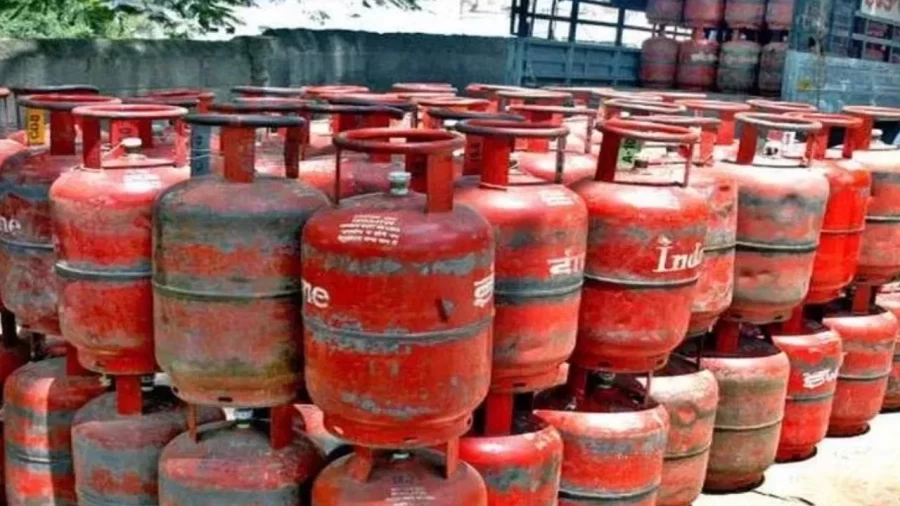
The cost of cooking gas in India has seen a sharp increase as oil marketing companies (OMCs) implemented new rates for both domestic and commercial Liquefied Petroleum Gas (LPG) cylinders effective Saturday. 2 kg domestic LPG cylinder has been hiked by ₹60. This represents the highest single-time increase in domestic gas prices in nearly six years. 50, pushing rates above the ₹2000 mark in several regions, including Chennai.
Significant Surge in Domestic LPG Prices Across Metros
The hike in domestic LPG prices comes after a gap of approximately 11 months. As per industry records, the last increase in domestic gas prices occurred on April 8, 2025, when rates were raised by ₹50. This is the second consecutive time that domestic cylinder prices have seen an upward revision. Following this latest hike, domestic LPG prices in all four major metropolitan cities have crossed the ₹900 threshold. This milestone is being observed after nearly 30 months, with the last instance of prices exceeding this level recorded on August 30, 2023.
In terms of city-specific pricing, a domestic cylinder in Delhi will now cost ₹913. In Kolkata, the price has reached ₹939.50. 5, making the current ₹60 hike the most significant since that period. The sudden jump has been attributed to rising procurement costs faced by state-run oil firms.
Commercial LPG Rates Cross ₹2000 Mark
50 increase per cylinder. 50. This is the first time since May 2023 that commercial rates have surpassed the psychological barrier of ₹2000. Data from Indian Oil Corporation Limited (IOCL) indicates that this is the fifth price hike for commercial LPG in the last four months, a frequency rarely seen in the energy market.
5. Under the new pricing structure, a commercial cylinder in Delhi is priced at ₹1883. In Kolkata, the rate stands at ₹1990, while in Mumbai, it's set at ₹1835. This consistent upward trend in commercial gas prices is expected to impact the operational costs of the hospitality sector, including hotels, restaurants, and small-scale food businesses that rely heavily on these cylinders.
Global Geopolitical Tensions and Supply Chain Disruptions
Industry officials have pointed to the escalating military conflict in West Asia as the primary driver behind this sharp rise in LPG prices, while the ongoing crisis has led to a significant spike in global energy prices and created volatility in the international market. A major concern cited by experts is the disruption in the Strait of Hormuz, a critical maritime route for global oil and gas trade, while any blockage or slowdown in this region directly impacts the global supply chain, leading to higher landing costs for imported fuel.
Market analysts suggest that as long as geopolitical tensions remain high, energy prices may continue to experience fluctuations. The disruption in supply routes has forced oil marketing companies to adjust domestic prices to align with the increased cost of imports. While the government monitors the situation, the dependency on international benchmarks for LPG pricing makes the domestic market susceptible to such global developments.
Government Assurance on Energy Security
Amidst the price revisions, Union Minister for Petroleum and Natural Gas, Hardeep Singh Puri, has assured the nation regarding energy security. In a post on social media platform X, the minister emphasized that the government's priority remains providing affordable and sustainable fuel to its citizens. He clarified that there is no shortage of energy in India and consumers need not worry about supply disruptions despite the global turmoil.
According to the minister, India maintains adequate strategic reserves and resources to meet its energy requirements. He stated that the government is closely monitoring international market conditions and remains committed to protecting the interests of consumers. However, the surge in international gas prices necessitated the current domestic price adjustment to maintain the financial viability of the energy distribution network. The government continues to focus on long-term energy stability while navigating immediate global challenges.
