

- India,
- 26-Mar-2026 03:01 PM IST


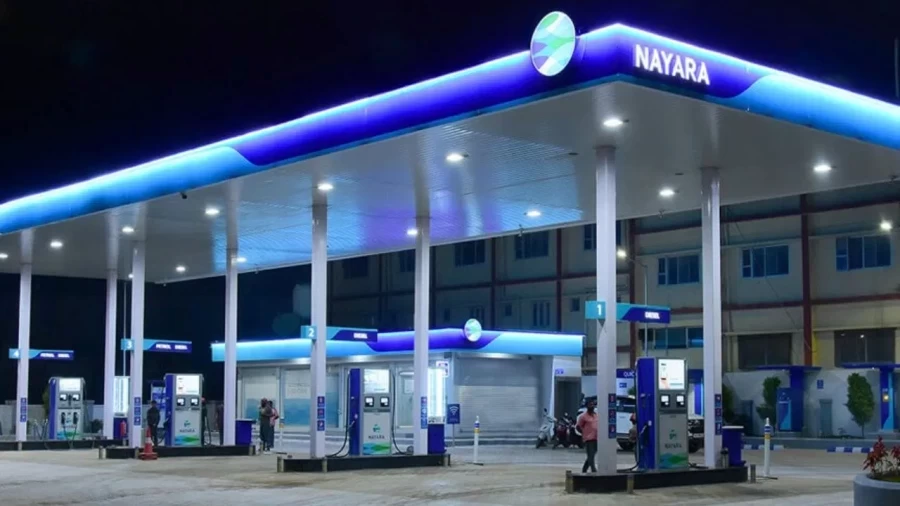
Nayara Energy, a major private sector fuel retailer, has implemented a significant price hike for petrol and diesel across its network in India. According to sources familiar with the matter, the company has increased the price of petrol by ₹5 per liter and diesel by ₹3 per liter. Nayara Energy, which operates 6,967 out of India's total 102,075 petrol pumps, cited rising input costs as the primary reason for passing on a portion of the burden to consumers. This move comes at a time when state-owned oil marketing companies have maintained a status quo on standard fuel prices.
Price Adjustments and Regional Variations
The price hike by Nayara Energy, which is majority-owned by Russian energy giant Rosneft, varies across different states due to local taxation structures. 30 per liter in certain locations. Unlike public sector undertakings (PSUs), private fuel retailers don't receive government compensation for losses incurred by holding prices steady. According to officials, the decision to raise retail prices was necessitated by the mounting pressure of operational costs and the absence of a price stabilization mechanism for private players.
Stance of Jio-bp and Public Sector Undertakings
In contrast to Nayara Energy's decision, Jio-bp—a joint venture between Reliance Industries and BP Plc—has chosen not to increase prices for the time being, while despite operating 2,185 outlets and reportedly facing significant losses on the sale of petrol and diesel, Jio-bp continues to sell fuel at previous rates. Similarly, state-owned retailers including Indian Oil Corporation (IOC), Bharat Petroleum Corporation Limited (BPCL), and Hindustan Petroleum Corporation Limited (HPCL), which collectively command nearly 90 percent of the market share, have kept prices unchanged for standard grades. These PSUs often maintain price stability as part of broader policy considerations supported by the government.
Adjustments in Premium Fuel and Bulk Diesel
While retail prices for standard petrol and diesel have remained largely frozen since April 2022, there have been recent adjustments in specific fuel categories. Last week, the three major PSU retailers increased the price of premium or high-grade petrol by ₹2 per liter. On top of that, the rate for bulk diesel, which is sold to industrial consumers, was hiked by approximately ₹22 per liter. 59 per liter.
Global Market Dynamics and Import Dependency
India relies on imports for approximately 88 percent of its crude oil requirements and nearly half of its natural gas needs. Fluctuations in international crude oil prices, driven by geopolitical tensions in the Middle East, directly impact domestic energy costs. Earlier this month, international oil prices surged to $119 per barrel following escalations in the Iran-Israel conflict before stabilizing at around $100 per barrel. Security concerns regarding the Strait of Hormuz, a critical maritime corridor, have also influenced insurance premiums and shipping logistics, adding to the cost pressures faced by oil marketing companies.
Financial Performance of Oil Marketing Companies
The financial health of oil companies in India is closely tied to global crude cycles. While high crude prices lead to marketing losses, periods of lower prices allow these companies to recover margins. In the financial year 2023-24, the three leading PSUs reported a record combined net profit of ₹81,000 crore, which helped offset previous losses. In the December quarter of the current fiscal year alone, these companies recorded a profit of ₹23,743 crore. The government maintains that petrol and diesel are deregulated products, with prices determined independently by oil marketing companies based on commercial considerations and market conditions.
