

- India,
- 26-Mar-2026 02:54 PM IST


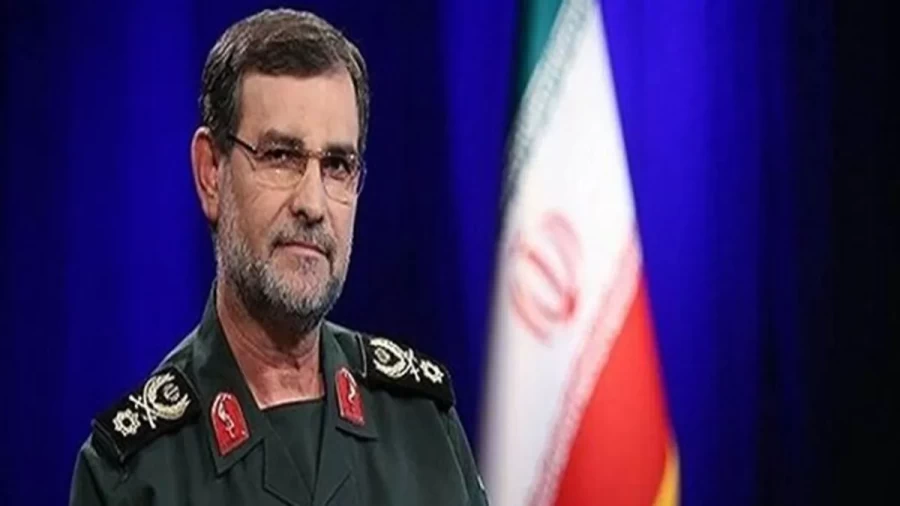
In a significant escalation of Middle East tensions, Israeli military officials have claimed that Alireza Tangsiri, the Chief of the Islamic Revolutionary Guard Corps (IRGC) Navy, has been killed. According to Israeli reports, the high-ranking commander was targeted in a military strike conducted near Bandar Abbas, a critical port city in southern Iran. Tangsiri was widely regarded as the primary architect of Iran's naval strategy in the Persian Gulf and the Strait of Hormuz. He was responsible for overseeing the IRGC's maritime operations and had frequently adopted a confrontational stance against international naval presence in the region. While Israel has made this assertion, the Iranian government and IRGC officials have maintained silence, providing no official confirmation or denial regarding the status of their naval chief.
Details of the Reported Military Operation
The reported strike took place in the vicinity of Bandar Abbas, which serves as the primary headquarters for the IRGC Navy, while israeli military sources indicate that the operation was based on precise intelligence regarding Tangsiri's movements. The strike reportedly targeted a location where a high-level strategic meeting was being held. Bandar Abbas is a vital logistical hub for Iran, housing significant naval assets and controlling access to the Persian Gulf. Following the reports, security measures in the region have been Notably heightened. Israeli officials have characterized the action as a necessary measure to counter threats to maritime security and regional stability, although the specific assets used in the strike have not been detailed.
Alireza Tangsiri’s Role in the IRGC Navy
Alireza Tangsiri had been at the helm of the IRGC Navy since August 2018, following his appointment by the Supreme Leader of Iran. During his tenure, he focused on enhancing Iran's asymmetric naval capabilities, including the use of fast attack boats, naval mines, and anti-ship missiles. Tangsiri was known for his hardline rhetoric, often threatening to close the Strait of Hormuz in response to international sanctions or military pressure. Just last week, he had issued warnings to US forces in the region, advising personnel to stay away from American bases in Gulf countries. His leadership saw an increase in the interception of commercial vessels and frequent naval drills designed to demonstrate Iran's control over regional waters.
Strategic Significance of the Strait of Hormuz
The Strait of Hormuz is recognized as the world's most vital oil transit chokepoint, while located between Iran to the north and Oman and the United Arab Emirates to the south, it connects the Persian Gulf with the Gulf of Oman and the Arabian Sea. Approximately 20% of the world's total consumption of liquid petroleum and a significant portion of liquefied natural gas (LNG) pass through this narrow waterway daily. Due to its narrow width, the shipping lanes are highly vulnerable to military disruption. Iran's control over the northern coastline of the strait gives it the ability to influence global energy flows, a use that Tangsiri frequently utilized in his strategic posturing.
Potential Impact on Global Energy Markets
Any disruption in the Strait of Hormuz has immediate and profound implications for the global economy. The prospect of the strait being closed or heavily restricted leads to volatility in crude oil prices and concerns over supply shortages. Major economies in Asia, including India, China, Japan, and South Korea, rely heavily on oil imports that transit through this route. A prolonged crisis in the region could lead to increased shipping insurance premiums and logistical delays, potentially driving up global inflation, while energy analysts monitor the situation closely, as the stability of this maritime corridor is essential for maintaining the global energy supply chain and preventing economic shocks.
Current Regional Tensions and Diplomatic Context
The reported death of a high-ranking official like Tangsiri adds a new layer of complexity to the ongoing regional conflict. International observers are concerned about potential retaliatory actions and the further militarization of the Persian Gulf. The United States and its allies have maintained a naval presence in the region to protect commercial shipping under various international task forces. Diplomatic channels remain active as global powers call for restraint to avoid a wider regional war. The international community continues to emphasize the importance of the United Nations Convention on the Law of the Sea (UNCLOS) and the necessity of ensuring the freedom of navigation in international waters.
