

- India,
- 10-Jan-2026 08:41 AM IST


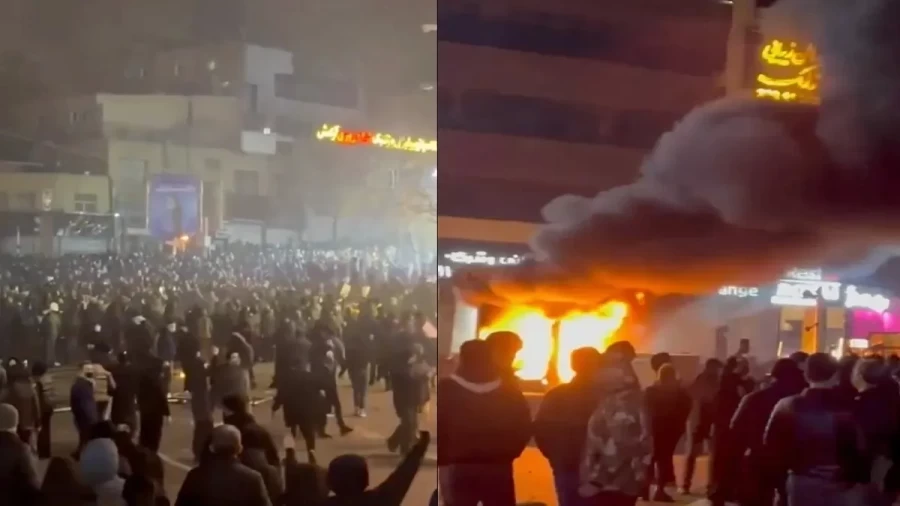
Iran has been engulfed in an unprecedented wave of protests for the past fourteen days, with ordinary citizens taking to the streets to express their profound dissatisfaction and anger against the Khamenei government. These demonstrations have escalated into a significant challenge to the country's political landscape, as people demand their rights and a better quality of life. Over these two weeks, the intensity and spread of the protests have continuously grown, increasing pressure on the government and creating a volatile situation across the nation.
Deadly Crackdown in Tehran
According to reports from Time Magazine and statements by doctors, the capital city of Tehran has witnessed a horrific toll, with over 200 people reported dead, while this grim figure comes after the government reportedly opened fire on protesters, underscoring the severe nature of the ongoing crisis. These fatalities have further fueled outrage nationwide and drawn significant international attention to the escalating violence. The rising death toll indicates that the government is employing extreme force to quell the demonstrations, leading to a deepening humanitarian crisis. Human rights organizations, including the Human Rights Activists News Agency, Iran Human Rights, and Hengaw Organization for Human Rights, had initially reported a death toll of 62, a number that has now tragically surged.
Government's Response and Accusations
As the protests spread across the country, the Khamenei government intensified its efforts to suppress them. The government has deployed the Islamic Revolutionary Guards Corps (IRGC) in several locations, utilizing force to control demonstrators and maintain order. Also, an internet blackout has been imposed, severely limiting people's access to social media platforms. This measure aims to restrict the flow of information and prevent protesters from organizing effectively. Iran's Supreme Leader, Ayatollah Ali Khamenei, has directly blamed the United States for these. Protests, accusing the US of instigating the demonstrations and attempting to destabilize the country.
Nationwide Spread and Escalating Violence
According to the Institute for the Study of War, protests in Iran have rapidly spread across the entire country since January 7, while from the capital, Tehran, to north-western Iran, deep-seated anger against the government is palpable among the populace. These demonstrations have now turned violent, with clashes occurring between protesters and security forces. Human rights organizations have reported at least 2,300 arrests during the protests, highlighting the government's repressive tactics, while these arrests include students, activists, and ordinary citizens detained for their participation in the demonstrations, further exacerbating tensions.
Root Causes: Economic Hardship and Sanctions
The widespread protests in Iran are rooted in deep-seated economic and social grievances. Iran's economy has been under continuous pressure for years, primarily due to sanctions imposed by the United States and European nations, while these sanctions, linked to Iran's nuclear program, have severely impacted the country's economy, negatively affecting trade, investment, and employment opportunities. This economic strain has been further exacerbated by regional tensions, including a 12-day war with Israel last June. Such regional conflicts place additional burdens on national resources and hinder prospects for economic recovery and development.
Currency Collapse and Soaring Inflation
The Iranian currency, the rial, has experienced a rapid decline, while since 2025, it has reportedly lost almost half its value against the US dollar, leading to skyrocketing prices for imported goods and a significant reduction in the purchasing power of ordinary citizens. Official figures indicate that inflation surged to over 42 percent in December alone. This extreme inflation makes daily life unbearable, with the cost of food, fuel, and other essential goods continuously rising, while the economic crisis has directly impacted ordinary people, who are struggling to meet their basic needs.
From Merchants to University Campuses
Initially, these protests were sparked by merchants demonstrating against the collapse of the rial and the deteriorating economic situation. Merchants closed their shops and took to the streets, demanding reforms in government economic policies. However, these demonstrations quickly spread to university campuses and cities across the country, while students and other citizens joined the movement, voicing their frustration with the lack of economic opportunities and the government's handling of the crisis. This movement has now evolved into a broad popular uprising, extending beyond purely economic issues to become a significant rebellion against the government's governance and human rights record.
