

- India,
- 07-Nov-2025 09:37 AM IST


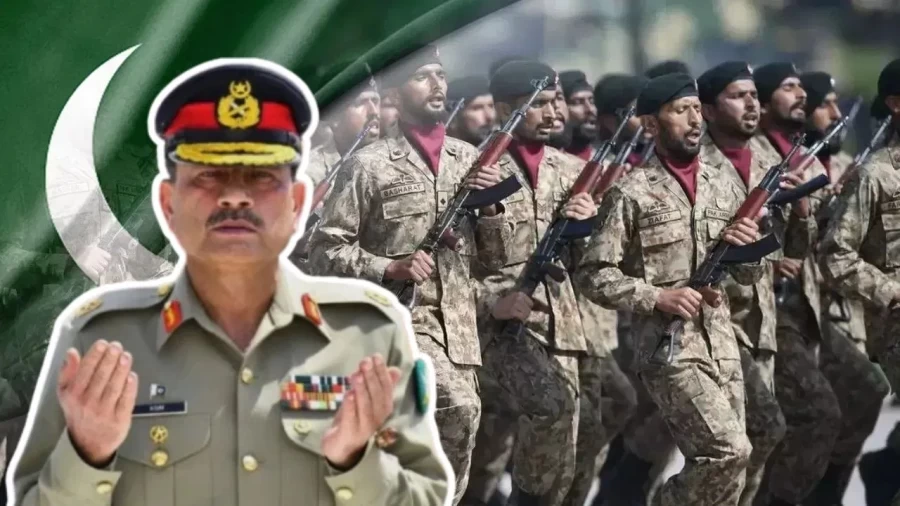
Pakistan, a nation that has long projected itself as a staunch defender of Muslim interests globally, is now facing intense international scrutiny following explosive allegations regarding its military's proposed deployment in Gaza. Recent media reports suggest that Pakistan sought a substantial financial sum from Israel for sending its troops as part of a multinational stabilization force, raising serious questions about its true intentions and ethical standing.
The Alleged Demand for 'Peacekeeping'
The controversy stems from claims made by senior Pakistani journalist Asma Shirazi, who reported that General Asim Munir, Pakistan's Chief of Army Staff, allegedly demanded $10,000 per soldier from Israel for their deployment in Gaza, while this proposed deployment was to be part of a multinational international stabilization force (ISF), an initiative originally put forth by former US President Donald Trump in his 20-point Gaza peace plan. Trump's proposal envisioned an ISF composed of Arab-international partners, explicitly excluding American soldiers, to ensure stability in the region.
Pakistan's Initial Stance and Ambition
Initially, Pakistan had expressed keen interest in participating in this stabilization effort. Media reports cited Defense Minister Khawaja Asif, who stated that it would be a matter of pride for Pakistan if it were given the opportunity to send troops to Gaza. Islamabad had reportedly planned to deploy a significant contingent of approximately 20,000 soldiers, while this public stance aligned with Pakistan's long-held narrative of supporting Muslim causes. However, the recent revelations about the alleged financial demands cast a dark shadow over. These stated intentions, suggesting a potential shift from principled humanitarianism to a transactional approach. **A 'Profit-Making Deal' for Soldiers? If journalist Asma Shirazi's claims hold true, the alleged demand of $10,000 per soldier transforms what should ideally be a humanitarian or peacekeeping mission into a 'profit-making deal. ' For a contingent of 20,000 soldiers, this would amount to a staggering $200 million. This figure starkly contrasts with Israel's reported counter-offer of merely $100 per soldier, which was allegedly rejected by Pakistan. Such a significant disparity in proposed compensation highlights the commercial aspect that Pakistan is accused of introducing into a highly sensitive geopolitical situation. The implications of these allegations are profound for Pakistan's international image. For decades, Pakistan has cultivated an identity as a responsible Muslim nation, often positioning itself as a voice for Islamic solidarity and a protector of Muslim interests. The accusation of Basically 'selling' its soldiers for a hefty price in a conflict zone like Gaza risks dismantling this carefully constructed image, potentially rebranding it as a nation willing to provide 'mercenary' services, while this perception could severely damage its diplomatic standing, particularly among Muslim-majority nations. **Erosion of Image: From Protector to Mercenary?
Historical Precedents and Current Shame
While Pakistan has a history of deploying its troops abroad for various missions, including UN peacekeeping operations, the alleged demand for such a high price in the context of Gaza is unprecedented and particularly controversial. The country has faced accusations in the past of offering its military services for cash, oil-for-service deals, or strategic advantages. However, to be accused of such a transactional approach in a globally sensitive and. War-torn region like Gaza represents a new low and a significant embarrassment for Islamabad. This incident not only impacts Pakistan's foreign policy narrative but also raises questions among its own citizens about the true motivations behind their military's actions, potentially eroding the 'national pride' associated with their armed forces, while the focus appears to have shifted from principles to financial gain, a development that could have lasting repercussions.
