

- India,
- 23-Dec-2025 06:12 PM IST


Pakistan has reportedly stepped into the role of a middleman, facilitating the sale of Chinese-made weaponry to other nations. In a significant development, four Pakistani officials have confirmed that Pakistan has inked a substantial $4, while 6 billion military equipment deal with the Libyan National Army (LNA). This landmark agreement includes the provision of JF-17 fighter jets, jointly developed by China and Pakistan, along with Super Mushshak trainer aircraft. The timing of this deal is particularly contentious, as it comes despite the long-standing United Nations (UN) arms embargo imposed on Libya, while this transaction is being hailed as one of Pakistan's largest arms sales to date, signaling a notable expansion in its defense export capabilities, even as it navigates complex international regulations and potential diplomatic fallout.
Key Components of the Deal
The comprehensive military package outlined in the deal specifies that Libya. Will acquire 16 JF-17 fighter jets and 12 Super Mushshak trainer aircraft. The JF-17, a multi-role combat aircraft, is a product of collaborative development between China and Pakistan. Pakistan has been actively marketing this jet internationally as a cost-effective yet modern and highly capable fighter, suitable for a range of air-to-air and air-to-ground missions. Complementing these advanced fighters, the Super Mushshak aircraft are designed for initial pilot training, providing a crucial foundation for the Libyan Air Force to develop its aviators. According to a Pakistani official, the deal also encompasses various other military equipment for land, sea,. And air forces, with deliveries expected to be completed over approximately two and a half years. This extensive procurement aims to Importantly bolster Libya's military capabilities across multiple domains.
Pakistan's Role as a Broker
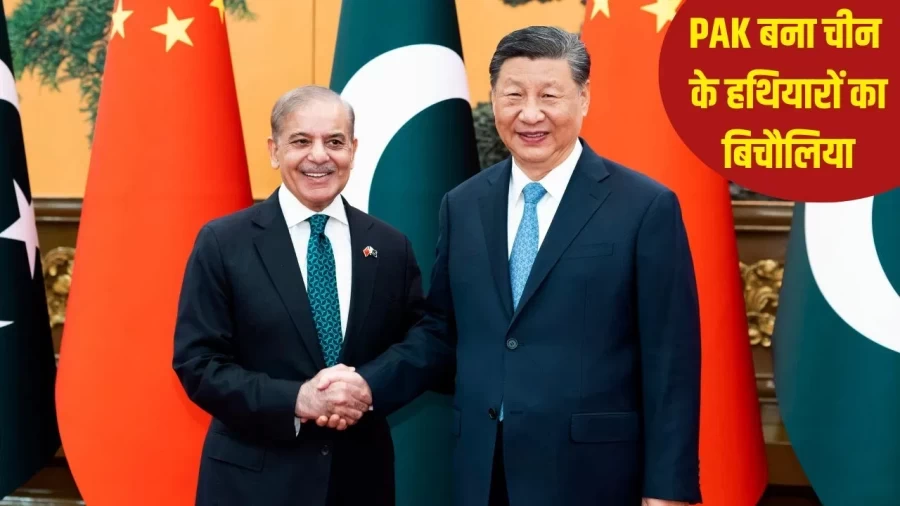
This transaction underscores Pakistan's emerging role as a broker for Chinese-made armaments. China, actively seeking to expand its defense product markets, appears to be leveraging Pakistan to. Reach countries where direct engagement might be politically sensitive or where Pakistan maintains stronger diplomatic ties. The revelation by four Pakistani officials highlights this strategic partnership, indicating that Pakistan isn't merely a recipient of Chinese military technology but also an active participant in its global dissemination. This strategy benefits China by broadening its defense industrial reach and increasing its presence in the global arms market, while providing Pakistan with significant economic gains and valuable experience in defense exports. It also serves as a testament to the deepening strategic and military cooperation between Beijing and Islamabad.
High-Level Meeting and Official Confirmation
The agreement was reportedly finalized last week in Benghazi, an eastern city in Libya. The crucial discussions involved Pakistan's military chief, Field Marshal Asim Munir, and the Libyan National Army's (LNA) Deputy Commander-in-Chief, Saddam Khalifa Haftar. This high-level meeting played a pivotal role in cementing the terms of the deal. Further validating the agreement, the LNA's official media channel publicly confirmed the strategic military cooperation with Pakistan. LNA Chief Khalifa Haftar himself stated that a new phase of strategic military collaboration had commenced with Pakistan, underscoring the significance of this deal for Libya. However, notably, there has been no official statement from Pakistan's Ministry of Foreign Affairs, Ministry of Defense, or the military, suggesting a degree of discretion surrounding the sensitive nature of the transaction.
Controversy: The UN Arms Embargo
The most contentious aspect of this deal revolves around the UN. Arms embargo that has been in effect against Libya since 2011. These sanctions were initially imposed to promote stability and prevent further conflict within the nation. In December 2024, a UN expert panel issued a report indicating that the embargo was. No longer effective, with numerous countries reportedly providing military assistance to various factions within Libya. It remains unclear whether Pakistan or Libya sought any exemptions from these sanctions, while despite the lack of clarity, Pakistani officials maintain that the deal doesn't violate any UN regulations. They argue that the expert panel's findings questioning the embargo's effectiveness provide a basis for their claim of engaging in legitimate trade. Nevertheless, this situation is likely to draw significant international scrutiny and. Could potentially place Pakistan under increased pressure from the global community.
The Role of JF-17 and Super Mushshak
The JF-17 Thunder is a lightweight, single-engine, multi-role combat aircraft jointly developed by China's Chengdu Aircraft Industry Corporation (CAC) and Pakistan Aeronautical Complex (PAC). It's designed to perform a variety of air superiority, ground attack, and reconnaissance missions. Pakistan considers it the backbone of its air force and actively promotes it as a cost-effective solution in the international market, while the Super Mushshak, on the other hand, is a two-seat, single-engine, propeller-driven trainer aircraft. It's ideal for imparting basic flight training, instrument flying, and aerobatics to pilots. For Libya, the acquisition of these aircraft represents a significant step towards modernizing its. Air force and upgrading its pilot training standards, thereby enhancing its defense capabilities qualitatively.
Strategic Implications of the Deal
This deal carries several strategic implications for all parties involved. For Pakistan, it not only provides a substantial revenue stream but also solidifies its position as a credible arms supplier in the global defense market. For China, it offers a pathway to access new client bases for its defense technology, particularly in regions where direct political engagement might be challenging. For Libya, it presents an opportunity to strengthen its military might and enhance its capacity to address regional security challenges. However, proceeding with such a deal despite UN sanctions also carries the risk of exacerbating regional instability and potentially fueling the ongoing conflict in Libya. The international community will undoubtedly monitor this transaction closely, as it could have significant repercussions for Libya's future security and stability. The response from the UN and other international bodies to this alleged violation remains to be seen.
The Path Forward
In the aftermath of this deal, both Pakistan and Libya may face reactions from the international community, while while Pakistan maintains its stance that no rules have been violated, the debate over the nature and interpretation of UN sanctions will likely continue. This deal could prove to be a double-edged sword for Pakistan, offering economic and strategic advantages on one hand, while potentially exposing it to international pressure and criticism on the other. For Libya, the integration of these weapons will enhance its military capabilities, but it remains to be seen whether this move will contribute to peace and stability in the country or further deepen the conflict, while the geopolitical consequences of this deal are expected to unfold in the coming period, shaping regional dynamics and international relations.
