

- India,
- 09-Nov-2025 09:35 AM IST


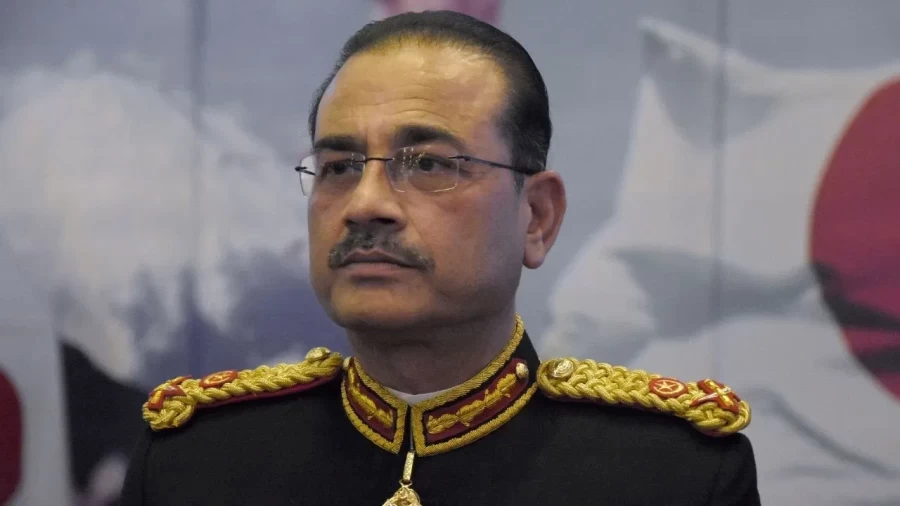
Pakistan has taken a significant step towards strengthening its defense forces by creating a new and powerful role for Army Chief General Asim Munir. Through the 27th Constitutional Amendment Bill, the country has established the new position of Chief of Defence Force (CDF), which is set to unprecedentedly consolidate General Munir's military authority. This strategic move is reportedly inspired by lessons learned from the recent 'Operation Sindoor' conflict with India and the evolving nature of modern warfare, aiming to bolster Pakistan's military capabilities and leadership structure. The 27th Constitutional Amendment Bill, introduced in parliament, paves the way for the creation of the Chief of Defence Force (CDF) position in Pakistan, while this pivotal role will be filled by the Prime Minister's appointment, but under the current provisions, the top officer will also serve as the Army Chief. This effectively means that by the end of this month, upon the expiration of the Chairman Joint Chiefs of Staff Committee's tenure, General Asim Munir will automatically assume the CDF position. This transition marks a historic shift in Pakistan's military architecture, centralizing the command of both the army and the overall defense forces under a single individual, thereby streamlining the chain of command and strategic decision-making.
Enhanced Powers and Authority for General Munir
The CDF position is designed to Importantly strengthen General Munir's grip on the military, granting him extensive and decisive powers. In this new capacity, he will wield comprehensive and absolute control over military appointments, promotions across all ranks, and the direction of all military operations. This level of control will position him as the central figure in strategic decision-making and personnel management within Pakistan's defense establishment. Also, General Munir will also be vested with the authority to appoint the head. Of Pakistan's nuclear forces, extending his power domain to the strategic and nuclear levels. This critical authority will enable him to directly influence the country's most sensitive and vital defense assets, making his position even more influential and pivotal in national security matters.
Lifelong Field Marshal Status
Another significant amendment, directly benefiting General Munir, will enshrine in the constitution the provision that the rank of Field Marshal and its associated privileges will be lifelong. This ensures that General Munir will retain this supreme military. Honor and all its accompanying benefits throughout his entire life. This is an extraordinary distinction that will grant him a unique place in the nation's history. The rank of Field Marshal is typically bestowed for exceptional military leadership during wartime, and the provision for its lifelong retention will provide a permanent recognition of his service and contributions, while also elevating his prestige and influence within and beyond the military establishment.
Control Over the National Strategic Command
The new bill further specifies that the Army Chief, who will also serve as the Chief of Defence Force (CDF), will appoint the head of the National Strategic Command in consultation with the Prime Minister. This National Strategic Command will be drawn from the Pakistani Army, implying that the control over nuclear weapons and strategic assets will fall directly under the CDF's purview, while this provision underscores General Munir's central role in Pakistan's nuclear policy and security strategy. The government will also be empowered to promote armed forces officers to high military ranks such as Field Marshal, Marshal of the Air Force, and Admiral of the Fleet, further paving the way for strengthening military leadership and acknowledging exceptional service.
A Step Taken After 'Operation Sindoor'
According to local media reports, this significant move by Pakistan is said to be inspired by the lessons learned from. The four-day conflict between India and Pakistan in May, known as 'Operation Sindoor,' and the evolving nature of modern warfare. In response to the Pahalgham terror attack on April 22, India launched 'Operation Sindoor' on May 7, with the stated aim of curbing cross-border terrorism, while following these attacks, intense clashes ensued between the two nations for four days, ultimately concluding on May 10 with an agreement to cease military actions. This conflict served as a critical experience for Pakistan, prompting it to. Re-evaluate its military preparedness and leadership structure in the face of contemporary challenges.
Aftermath of the Conflict and Pakistan's Response
Last month, Air Chief Marshal A. P. Singh, the Indian Air Force Chief, stated that Indian attacks had destroyed or damaged at least a dozen Pakistani military aircraft, including US-origin F-16 jets. India also claims that Pakistan sought a ceasefire in May when the Indian army launched heavy attacks on various Pakistani military bases. Immediately following this conflict, the Pakistani government promoted Army Chief General Asim Munir to the rank of Field Marshal, making him only the second top military officer in the country's history to achieve this distinction. Now, with the new CDF position, General Munir's role has become even more expansive, solidifying his central position in Pakistan's defense strategy and military command. This transformation reflects Pakistan's commitment to reinforcing its military strength and preparing to face future challenges with a more unified and powerful leadership.
