

- India,
- 19-Dec-2025 05:48 PM IST


India's Decisive Action Post-Pahalgam Attack Following a devastating terrorist attack in Pahalgam on April 22, which claimed the. Lives of 26 Indian citizens, India adopted a series of punitive measures against Pakistan. Among these, the most significant was placing the 1960 Indus Waters Treaty (IWT) into "abeyance. " This treaty, brokered by the World Bank, had governed the distribution and use of the Indus River and its tributaries between India and Pakistan since 1960. India's decision marked a critical shift in its approach to cross-border terrorism and its bilateral relations with Pakistan, signaling a firm stance against continued aggression and a re-evaluation of existing agreements.
Pakistan's Escalating Humanitarian Crisis
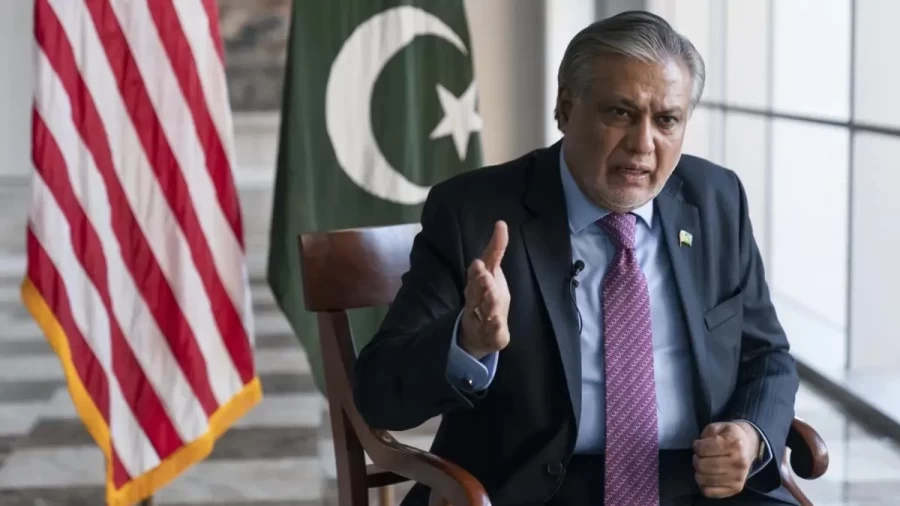
Just six months after India's decision to put the Indus. Waters Treaty on hold, Pakistan is facing an increasingly dire situation. Reports indicate that the country is grappling with severe water scarcity, with people. Struggling for every drop, which has profoundly impacted agricultural activities and daily life. Pakistan's Foreign Minister and Deputy Prime Minister, Ishaq Dar, on Friday accused India of consistently attempting to weaken the Indus Waters Treaty. He warned that New Delhi's actions have jeopardized the lives of Pakistanis, pushing them towards starvation and thirst, thereby highlighting a looming humanitarian catastrophe that threatens the nation's stability.
Disruption of the Agricultural Cycle
Deputy Prime Minister Dar explicitly stated that India's move has completely disrupted Pakistan's agricultural cycle. The scarcity of water in the Indus basin has brought agricultural activities to a standstill, leading to a significant decline in food production, while this situation directly threatens the lives and livelihoods of the Pakistani people. For a large segment of the population dependent on agriculture, this represents a devastating blow, with potential long-term negative impacts on the rural economy and national food security. The lack of irrigation water means crops can't be sustained, leading to widespread crop failure and economic hardship for farmers.
Deputy PM Ishaq Dar's Vehement Condemnation
Pakistan's Deputy Prime Minister Ishaq Dar expressed profound anger and frustration over India's actions. He alleged that India unilaterally acted to cancel the Indus Waters Treaty in April and that the current situation constitutes "material violations" by India that strike at the very core of the treaty. Dar asserted that these actions challenge both regional stability and the sanctity of international law. He further accused India of "manipulating water," which he claimed is creating a horrific situation in Pakistan. His strong words underscore the gravity with which Pakistan views these developments and their potential to escalate tensions.
Panic and Alarm in Pakistan
India's stringent measures have caused considerable alarm and panic across Pakistan, while dar stated that India's actions have endangered the lives of Pakistanis by making the country vulnerable to both floods and droughts. The reduction in water supply has brought the nation to a critical juncture where it faces severe environmental and humanitarian challenges. The concern and outrage among Pakistan's leadership and its populace are palpable, as the implications of water scarcity become increasingly evident in daily life and economic stability, potentially leading to social unrest.
Operation Sindoor and Terrorist Base Neutralization
Beyond the cancellation of the Indus Waters Treaty, India also launched "Operation Sindoor" against Pakistan following the Pahalgam attack. Under this operation, the Indian military successfully dismantled 9 terrorist bases, neutralizing over 100 terrorists. This action was intended to send a strong message to Pakistan regarding terrorism and underscored India's resolve to protect its sovereignty and citizens at all costs. Both the military operation and the abeyance of the water treaty demonstrate India's. Firm and decisive response to cross-border terrorism, indicating a shift in its strategic approach. In his statement, Ishaq Dar emphasized that India's actions violate the fundamental principles of.
The Indus Waters Treaty, thereby challenging both regional stability and the sanctity of international law. He issued a stern warning, stating that stopping water supply would be considered an act of war. This declaration highlights the extreme seriousness of the issue and its potential geopolitical ramifications, while pakistan may seek to raise this matter on international forums, which could further escalate tensions between India and Pakistan, leading to a more volatile regional environment and drawing global attention to the dispute.
