
- India,
- 12-Sep-2026 09:27 PM IST



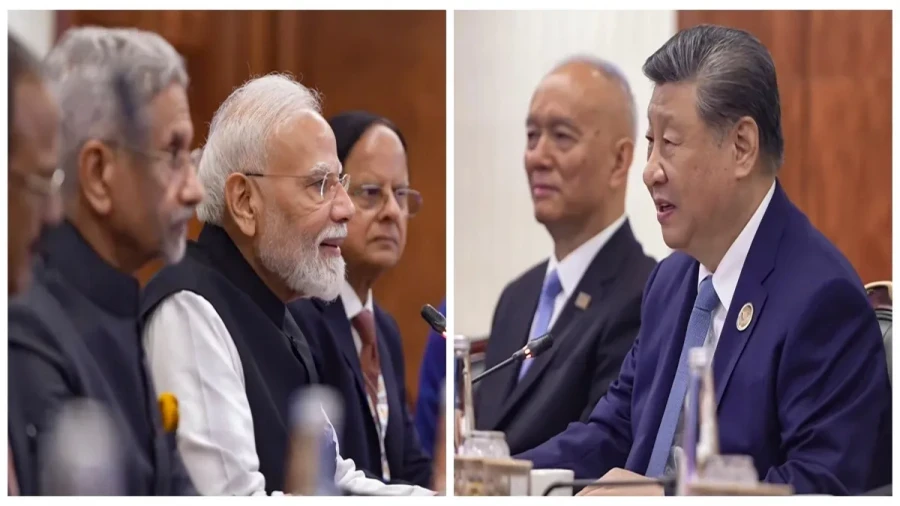
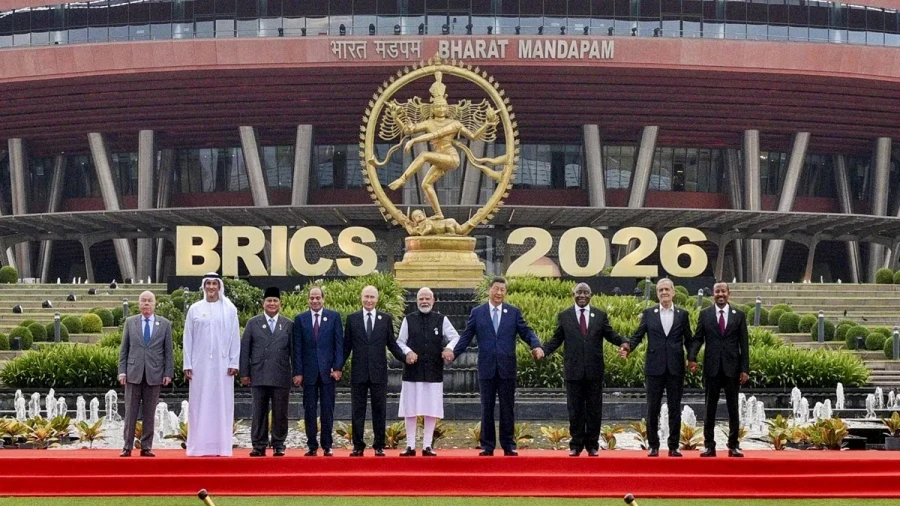
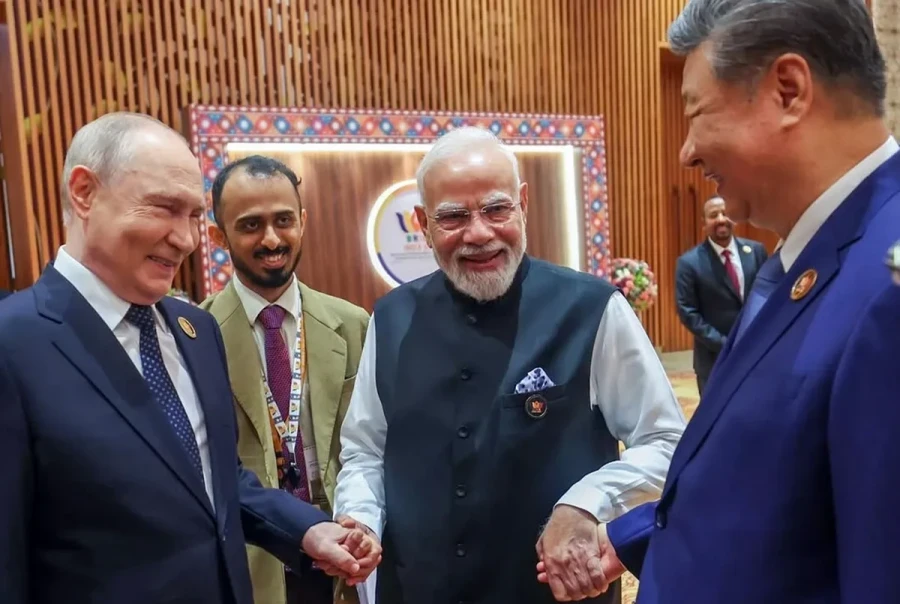
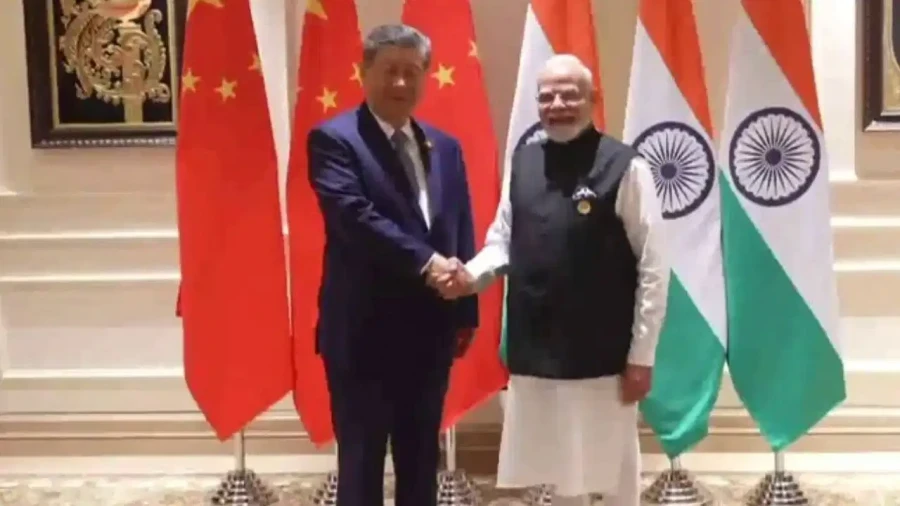
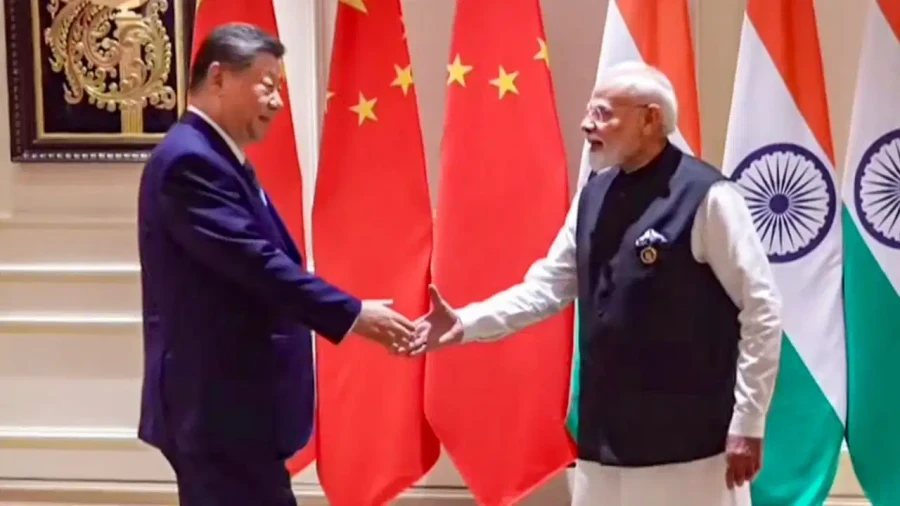
On the sidelines of the BRICS Summit held in New Delhi, Prime Minister Narendra Modi and Chinese President Xi Jinping conducted a significant bilateral meeting on Saturday. This high-level interaction lasted for approximately 50 minutes, during which both leaders welcomed the continuous progress being made in India-China relations. The discussions were centered on advancing the bilateral ties from a strategic and long-term perspective, ensuring that the relationship between the two most populous nations remains stable and productive.
The Three Guiding Principles for Bilateral Relations
During the meeting, Prime Minister Modi emphasized a crucial framework for the future of India-China engagement. He stated that differences between the two nations shouldn't be allowed to escalate into disputes. To manage the complexities of the relationship, the Prime Minister proposed three Mutuals as guiding principles: Mutual Respect, Mutual Sensitivity, and Mutual Interest. These principles are intended to serve as the bedrock for all future interactions and diplomatic engagements between New Delhi and Beijing, ensuring that the concerns of both sides are addressed with maturity.
Peace at LAC as the Essential Foundation
A major portion of the 50 minute discussion was dedicated to the situation along the Line of Actual Control (LAC). Prime Minister Modi stated clearly that peace and stability in the border areas are the necessary foundation for moving India-China relations forward. Both sides emphasized the need to strictly follow existing border-related agreements and understandings reached in the past, while the leaders reiterated their commitment to moving towards a fair, reasonable, and mutually acceptable solution to the border issue. This process, they agreed, must take into account the broader bilateral relationship and the long-term interests of the people of both nations.
Addressing Trade Imbalance and Economic Cooperation
Beyond border security, the meeting also touched upon trade and economic ties. Both leaders discussed the importance of enhancing people-to-people contact, cultural exchanges, and business links. On the economic front, the leaders highlighted the necessity of addressing concerns related to trade imbalance and supply chains. There was a shared consensus on the need for better and more reliable market access to ensure that economic cooperation remains sustainable and beneficial for both economies. By focusing on reliable supply chains, both nations aim to build a more resilient economic partnership.
Regional and Global Cooperation
The dialogue extended to regional and global issues where both India and China agreed to expand the scope of their mutual consensus. They expressed a willingness to work together to tackle shared global challenges. Plus, Prime Minister Modi expressed his gratitude to President Xi Jinping for China's support during India's BRICS Presidency. He also acknowledged China's contribution toward making the upcoming 2026 BRICS Summit a success, signaling a cooperative approach within the multilateral forum.