

- India,
- 13-Feb-2026 04:59 PM IST


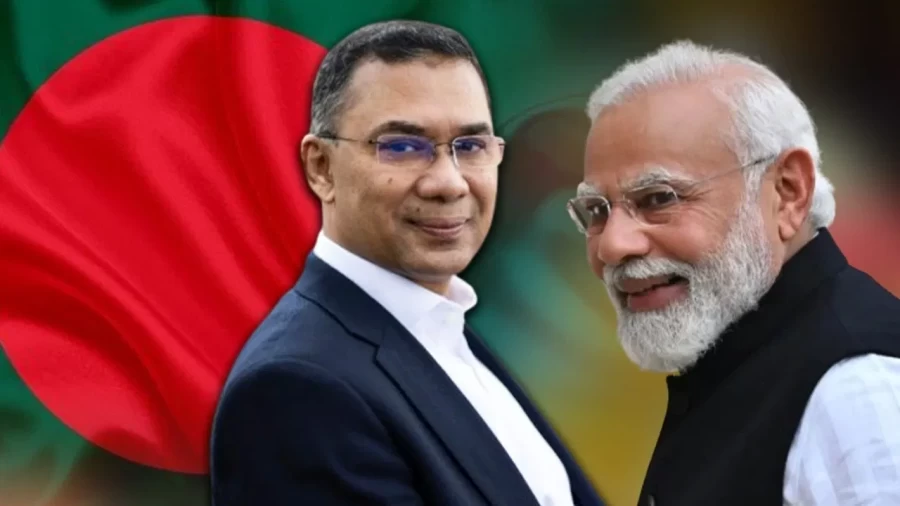
In a significant diplomatic development, Prime Minister Narendra Modi held a telephonic conversation with Tarique Rahman, the acting chairman of the Bangladesh Nationalist Party (BNP), following the party's decisive victory in the national elections. The Prime Minister extended his heartiest congratulations to Rahman on the BNP's overwhelming performance. According to official election results, the BNP secured 209 seats in the 299-member parliament, comfortably crossing the majority threshold of 150 seats. This victory paves the way for Tarique Rahman to assume the office of Prime Minister of Bangladesh.
Prime Minister Modi’s Congratulatory Message
Prime Minister Narendra Modi expressed his satisfaction regarding the conversation with Tarique Rahman, while he stated that it was a pleasure to speak with the BNP leader and congratulate him on the historic mandate. During the call, PM Modi conveyed his best wishes and support for Rahman’s efforts to fulfill the aspirations of the people of Bangladesh. Highlighting the deep-rooted historical and cultural ties between the two nations, the Prime Minister reaffirmed India’s steadfast commitment to the peace, progress, and prosperity of the citizens of both neighboring countries.
Electoral Landslide and Majority Figures
The general elections in Bangladesh have resulted in a clear mandate for the Bangladesh Nationalist Party. Out of the 299 parliamentary seats contested, the BNP emerged victorious in 209 constituencies. This substantial margin places the party well above the required 150-seat mark for a simple majority. The scale of the victory indicates a significant shift in the country's political landscape. The election commission's data confirms that the BNP has secured a mandate that allows for a stable government formation under the leadership of Tarique Rahman.
BNP Acknowledges India’s Recognition of Mandate
The Bangladesh Nationalist Party has officially thanked India and Prime Minister Narendra Modi for recognizing the outcome of the general elections. Nazarul Islam, a member of the BNP’s standing committee, expressed the party's appreciation for the prompt recognition of the public mandate by the Indian leadership. He noted that it's a positive sign for a democratic nation to acknowledge the verdict of the people. The party leadership emphasized that they look forward to a constructive relationship with New Delhi, aiming to strengthen bilateral cooperation across various sectors during the new government's tenure.
Historical and Cultural Foundations of Bilateral Ties
The relationship between India and Bangladesh is built on a foundation of shared history and cultural heritage. Prime Minister Modi’s remarks during the conversation underscored the importance of maintaining these ties for regional stability. The Prime Minister reiterated that as close neighbors, the growth and stability of one nation are intrinsically linked to the other. The BNP leadership also echoed these sentiments, suggesting that under Tarique Rahman’s premiership, the focus will remain on enhancing people-to-people contact and fostering a spirit of mutual respect and cooperation.
Leadership Transition and Regional Stability
As Tarique Rahman prepares to take the oath of office, the focus shifts to the transition of power and the future policy direction of the new administration, while the international community, including India, views the stability of Bangladesh as crucial for the South Asian region. The BNP has indicated that its primary objectives will include economic revitalization and strengthening democratic institutions. India’s early outreach to the PM-designate is seen as a strategic move to ensure continuity in diplomatic engagement and to collaborate on shared challenges such as border security, trade, and regional connectivity.
