

- India,
- 01-Mar-2026 09:12 PM IST


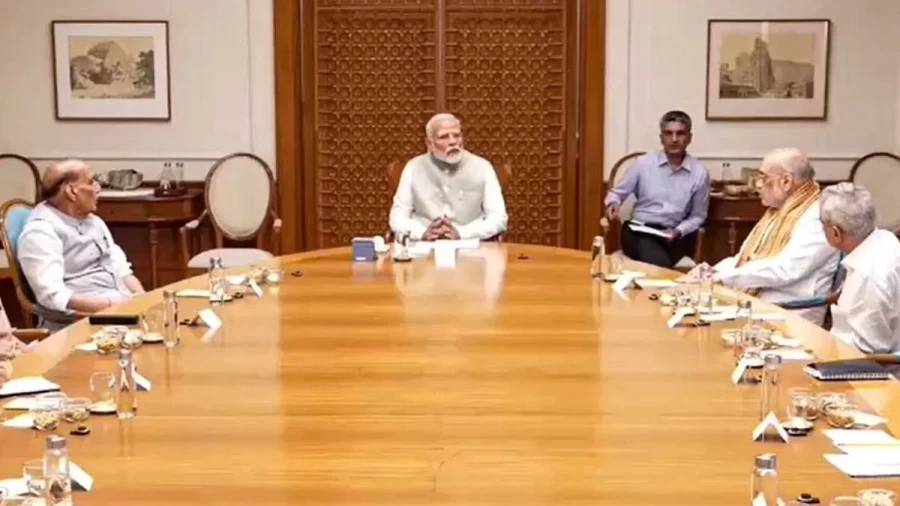
Prime Minister Narendra Modi has convened a crucial meeting of the Cabinet Committee on Security (CCS) tonight at 10 PM to review the rapidly deteriorating security situation in the Middle East. The meeting comes in the wake of intensified military activities and retaliatory strikes involving Iran and Israel. According to official sources, the high-level committee will assess the strategic implications of the conflict on India and the broader regional stability.
Safety and Evacuation of Indian Nationals
A primary focus of the CCS meeting is the safety of thousands of Indian nationals currently residing or working in the conflict zones. With reports of disrupted air travel and heightened military alerts, the Ministry of External Affairs is expected to brief the committee on the status of Indian citizens. Discussions may include potential evacuation protocols and instructions to Indian embassies in the region to remain on high alert. The government is closely monitoring the situation of prominent Indian figures and professionals currently in the affected areas.
Impact on Global Energy Security and Crude Oil
The escalation of hostilities in the Middle East poses a significant risk to global energy markets. As a major energy importer, India is concerned about the potential volatility in crude oil prices and disruptions in the supply chain. The CCS will likely review India's current fuel reserves and discuss contingency measures to mitigate any adverse economic impact. Officials from the Ministry of Petroleum and Natural Gas are expected to provide insights into the stability of long-term supply contracts amidst the ongoing military operations.
Monitoring Strategic Maritime Routes and Trade
The conflict has raised security concerns regarding vital maritime trade routes, including the Red Sea and the Strait of Hormuz. These channels are critical for India's international trade and energy imports. The meeting is expected to involve senior defense officials who will discuss the deployment of naval assets for the protection of Indian-flagged vessels. Ensuring the integrity of these strategic supply lines remains a top priority for the national security apparatus during this period of regional instability.
India's Diplomatic Stance and Regional Stability
India has consistently advocated for restraint and the resolution of conflicts through diplomatic dialogue. During the CCS session, the leadership will deliberate on India's diplomatic position and its engagement with global partners to promote peace. The meeting, chaired by the Prime Minister, will be attended by the Ministers of Defense, Home Affairs, External Affairs, and Finance, along with the National Security Advisor. The objective is to formulate a comprehensive strategy that safeguards India's national interests while contributing to regional de-escalation efforts.
