

- India,
- 08-Feb-2026 10:42 AM IST


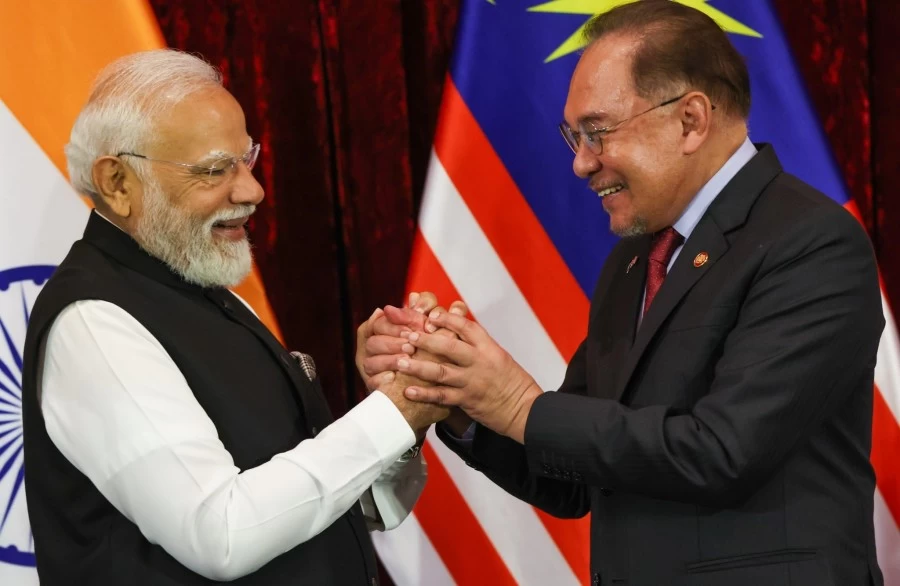
Prime Minister Narendra Modi's second day in Malaysia marked a significant milestone in the diplomatic relations between the two nations. During high-level bilateral discussions at the Perdana Putra building in Kuala Lumpur, PM Modi and Malaysian Prime Minister Anwar Ibrahim reaffirmed their commitment to a Comprehensive Strategic Partnership. The meeting focused on strengthening security frameworks, expanding economic ties, and fostering cultural connections through shared linguistic heritage.
Strengthening Counter-Terrorism and Maritime Security
In a firm stance against global threats, Prime Minister Modi emphasized that India and Malaysia would intensify their cooperation in counter-terrorism operations and intelligence sharing. The leaders discussed the importance of maritime security in maintaining regional stability. According to official statements, the defense cooperation will be made more comprehensive, involving enhanced military exchanges and collaboration in defense technology. This strategic alignment is seen by analysts as a move to ensure a free and open Indo-Pacific region.
Cultural Diplomacy and the Significance of Tamil Language
A major highlight of the visit was the emphasis on the shared love for the Tamil language, which serves as a bridge between the two countries. PM Modi noted that the vibrant presence of Tamil in Malaysia’s education, media, and cultural landscape is a testament to deep-rooted ties. He expressed confidence that the newly signed audio-visual agreement would bring the hearts of the people closer through films and music, particularly Tamil cinema. This cultural outreach aims to strengthen the emotional bond between the citizens of both nations.
Economic Expansion and Local Currency Trade
59 billion in 2025. Prime Minister Anwar Ibrahim highlighted the potential for further growth and praised the decision to explore trade settlements in local currencies. PM Modi also addressed the 10th CEO Forum, focusing on sectors like semiconductors, digital economy, and food security. To facilitate the lives of Indian workers in Malaysia, arrangements such as the Social Security Agreement and the integration of UPI digital interface were discussed as key priorities.
Strategic MoUs in Technology and Healthcare
The visit culminated in the exchange of 11 Memorandums of Understanding (MoUs) covering a wide array of sectors including healthcare, semiconductor ecosystems, and digital technologies. Malaysia welcomed India's decision to open a Consulate General in Kota Kinabalu, Sabah, reflecting the growing administrative and diplomatic footprint. PM Anwar Ibrahim also acknowledged PM Modi's commitment to global peace efforts, specifically mentioning his roles in addressing the Ukraine-Russia conflict and the situation in Gaza.
Analysis and Strategic Conclusion
According to political analysts, the transition of the relationship from its 1957 origins to a Comprehensive Strategic Partnership in 2024 signifies a major shift in India's Act East policy. The focus on education is particularly noteworthy, as Malaysian students increasingly look toward Indian premier institutions for higher studies. The visit successfully balanced traditional security concerns with modern economic needs, positioning both nations as pivotal partners in the evolving geopolitical landscape of Southeast Asia.
