
- India,
- 25-Jul-2026 08:43 PM IST



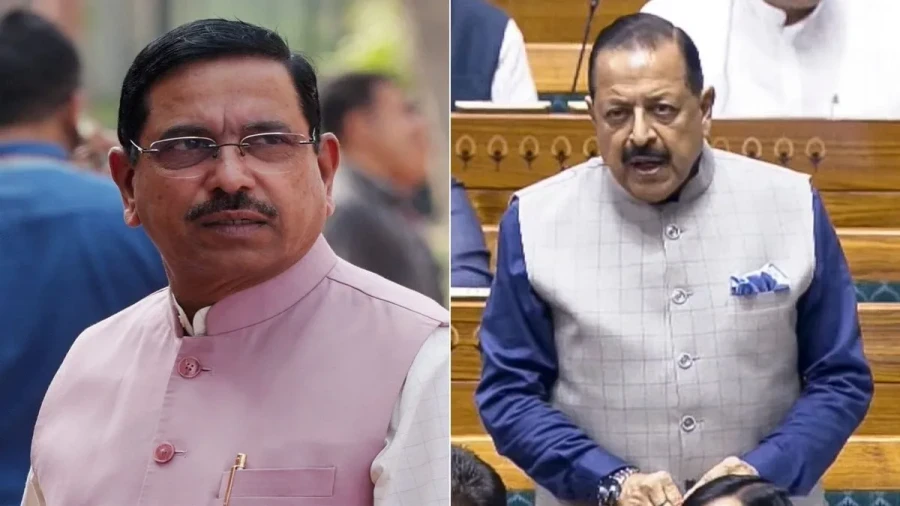
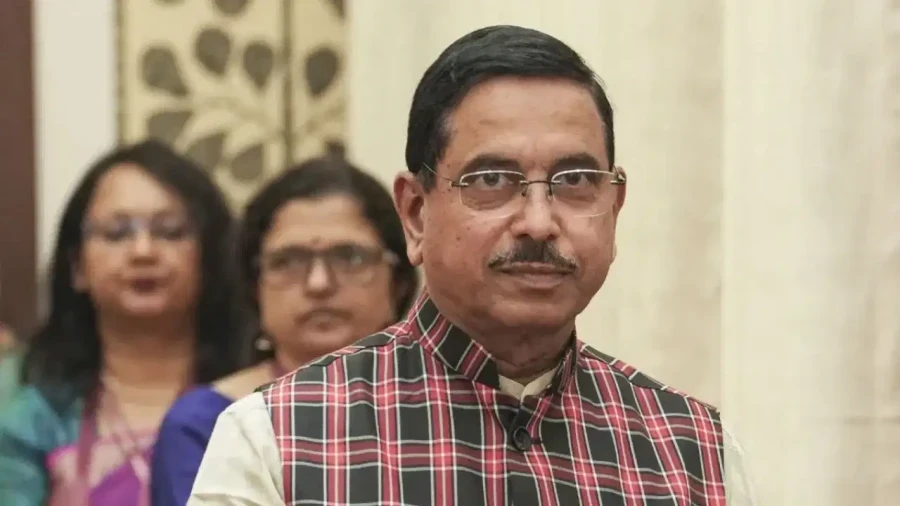
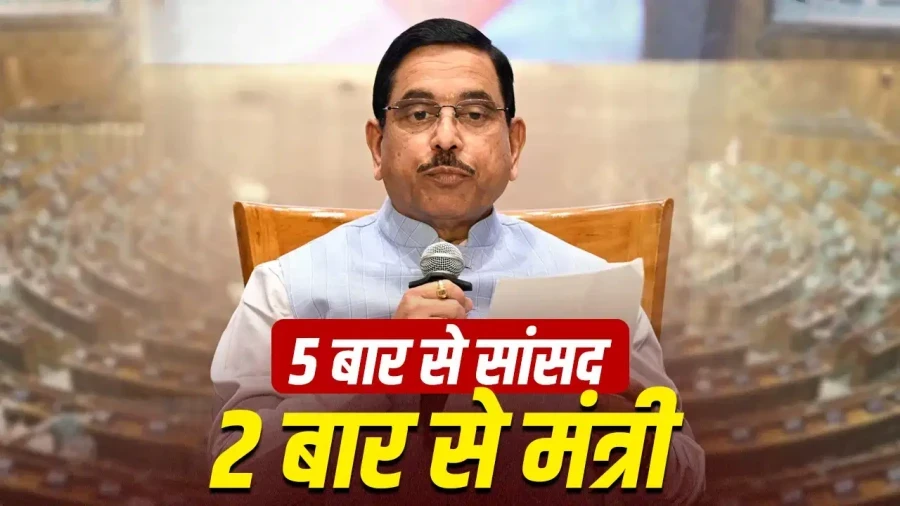
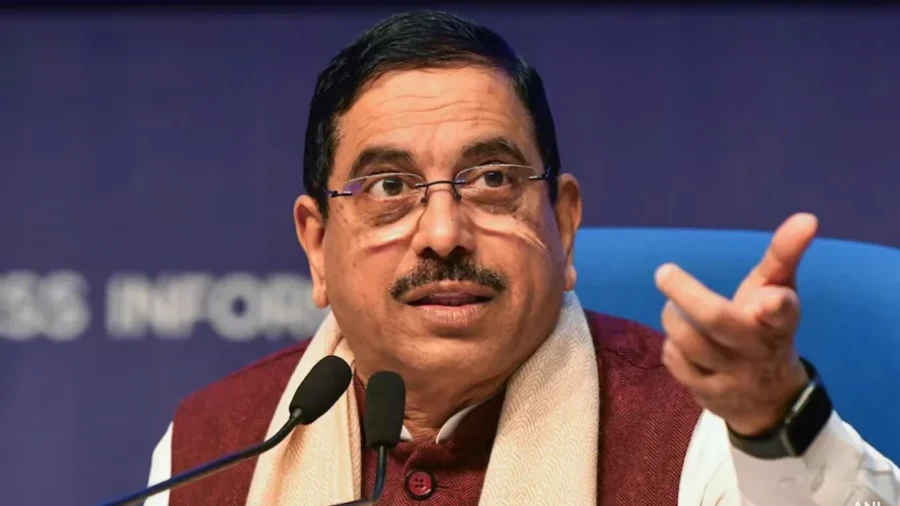
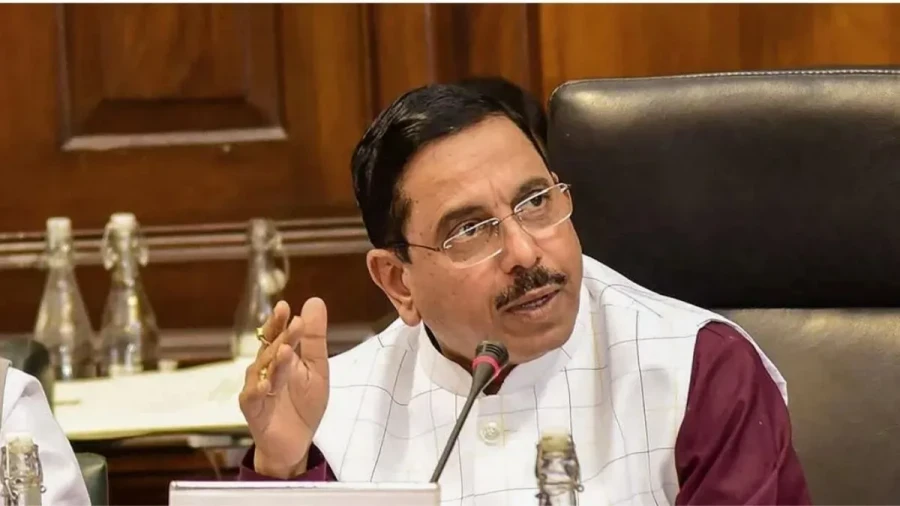
In a significant administrative shift within the Union Cabinet, Union Minister Pralhad Joshi has been assigned the additional charge of the Ministry of Education, while this development follows the resignation of Dharmendra Pradhan from the post of Education Minister. The transition comes at a time when the ministry is under intense scrutiny, and the government has moved swiftly to ensure that the administrative functions of the education sector continue without interruption, while pralhad Joshi, who already holds several key portfolios, will now oversee the responsibilities previously managed by Dharmendra Pradhan.
Presidential Acceptance and Constitutional Provisions
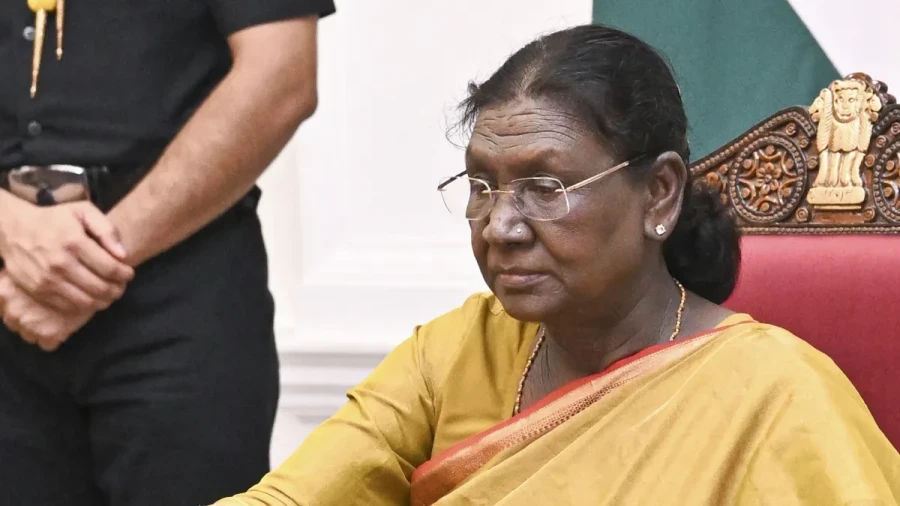
The resignation of Dharmendra Pradhan was formally accepted by the President of India, Droupadi Murmu. According to a statement issued from Rashtrapati Bhavan, the President, acting on the advice of the Prime Minister, accepted Pradhan's resignation from the Union Council of Ministers with immediate effect. This action was taken under Clause (2) of Article 75 of the Constitution of India. The official notification confirmed that the Prime Minister had recommended the acceptance of the resignation, leading to the subsequent appointment of Pralhad Joshi to handle the additional responsibilities of the Education Ministry.
Pralhad Joshi's Current Portfolios and Background
Pralhad Joshi is a prominent leader and a Member of Parliament representing the Dharwad constituency in Karnataka. Before being assigned the Education Ministry, he was already serving as the Union Minister for Consumer Affairs, Food and Public Distribution, as well as the Minister for New and Renewable Energy (MNRE). In addition to these domestic roles, Joshi also holds the international position of President of the International Solar Alliance. His appointment to the Education Ministry adds a significant layer to his existing responsibilities, making him one of the most heavily tasked ministers in the current cabinet. The government's decision to entrust him with this additional charge reflects his standing and the trust placed in his administrative capabilities.
Context of Dharmendra Pradhan's Resignation
Dharmendra Pradhan announced his resignation on Saturday afternoon, a move that has been described as a rare instance of a senior minister stepping down amidst sustained public pressure and political protests. Pradhan stated that his decision was motivated by the need to protect the future of students and to prevent "anti-national forces" from taking advantage of the large-scale youth protests occurring at Jantar Mantar in Delhi. The protests, which had been ongoing for nearly one month, were primarily focused on the NEET exam paper leak scandal. Pradhan's departure is seen as a response to the growing demand for accountability regarding the irregularities in national-level examinations.
The Role of the Cockroach Janta Party (CJP) and Protests
The protests at Jantar Mantar were led by the Cockroach Janta Party (CJP), which had been spearheading the movement against the paper leak. The CJP had made the resignation of Dharmendra Pradhan a "non-negotiable" demand during their demonstrations. Following the announcement of the resignation, the protests at Jantar Mantar were called off. However, the CJP has maintained a vigilant stance. Sourav Das, the chief spokesperson of the Cockroach Janta Party, issued a warning to the newly appointed Education Minister. Das stated that the youth have warned that whoever takes over the Ministry of Education must address their issues, or they will return to Jantar Mantar to demand accountability from the government. The resignation occurred just hours before a scheduled third round of talks between the government and the CJP, highlighting the intensity of the political pressure.
Administrative Transition and Future Outlook
With Pralhad Joshi now at the helm of the Education Ministry, the focus shifts to how the government will address the concerns raised by the student community and the opposition. The additional charge given to Joshi is intended to provide stability to the ministry while the government navigates the fallout from the NEET controversy. As the MP from Dharwad and a seasoned minister, Joshi's performance in this additional role will be closely watched by both political observers and the protesting students who have demanded systemic reforms in the examination process. The government's move to accept Pradhan's resignation and appoint Joshi is a clear attempt to de-escalate the situation and restore public confidence in the educational administration.