
- India,
- 16-Nov-2026 04:39 PM IST



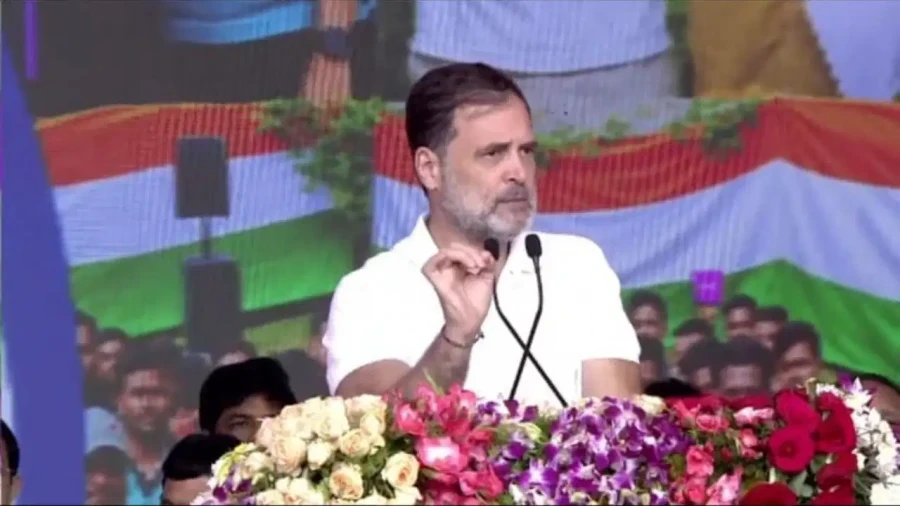
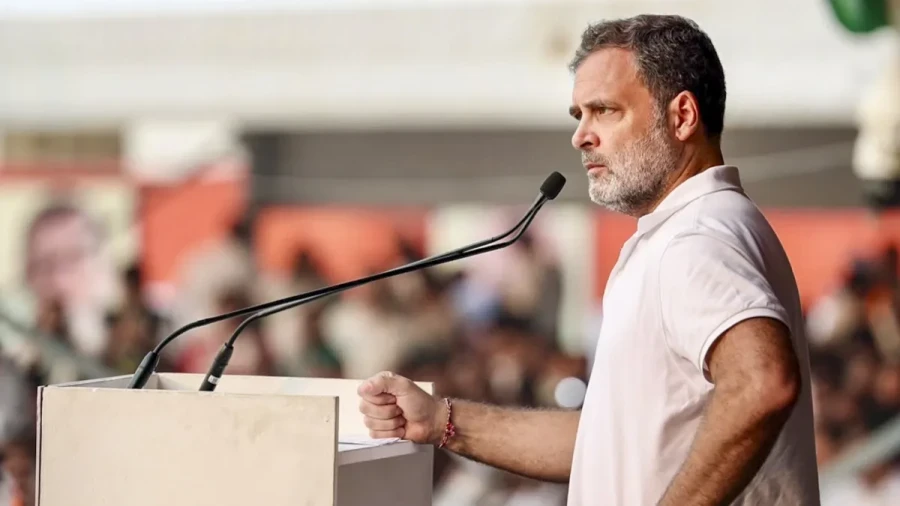
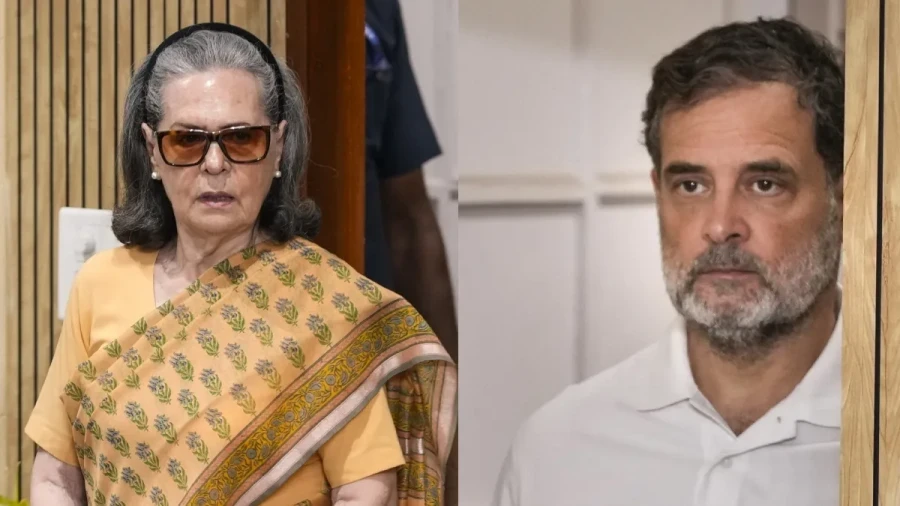
In connection with the high-profile case involving serious allegations of vote theft and widespread voter list manipulation, senior Congress leader Rahul Gandhi has officially filed a brand-new application in the Supreme Court of India. Through this comprehensive legal petition, he has formally sought the permission of the apex court to pose a total of forty-eight detailed questions to the Election Commission of India. Rahul Gandhi and the other co-petitioners involved in the matter have strongly urged the court to issue strict directives instructing the competent officials of the Election Commission to provide precise and factual replies to all these forty-eight questions through formal affidavits submitted before the judicial bench. The core objective behind this extensive legal move is to bring absolute transparency into the electoral machinery and unearth the actual truth surrounding the ongoing controversies related to voter rolls.
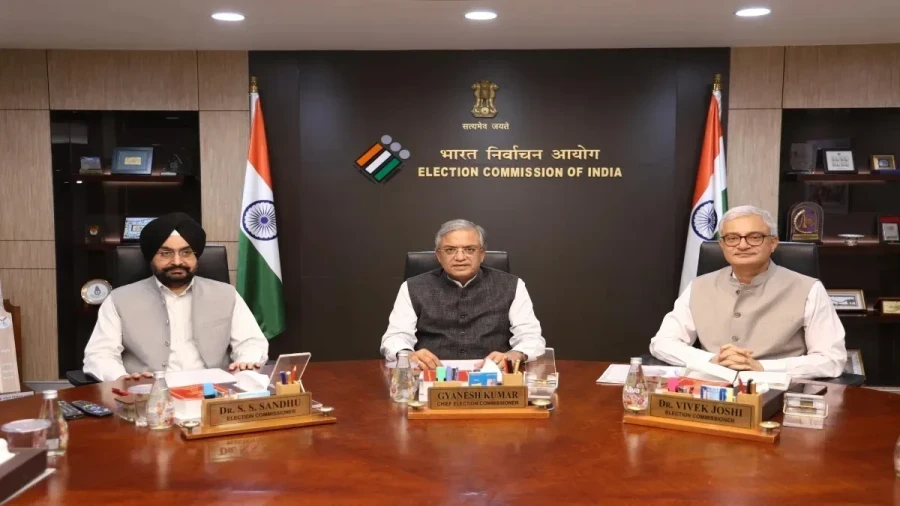
This significant application also raises several sharp and critical questions regarding the personal and administrative roles played by the Chief Election Commissioner and both the other Election Commissioners. The petitioners have primarily contended that the foundational records and official deliberations concerning whether all the election commissioners had granted their collective consent for initiating the Special Intensive Revision of electoral rolls, commonly known as the SIR process, across the entire country must be brought out into the open. The petitioners believe that every single fact pertaining to this major administrative decision should be made public so that satisfactory answers can be found regarding the growing apprehensions over the absolute neutrality of the electoral administration.
Official Explanations Sought Regarding the Decision to Launch SIR
The petitioners have raised a stringent preliminary question in their application asking precisely when and through what mechanism the Election Commission collectively adopted the decisive resolution to initiate the SIR process nationwide. They've specifically inquired whether all three election commissioners were in complete agreement and consensus when this major policy decision was finalized. If there was indeed a consensus, the petitioners have demanded to know where the corresponding official documents, files, and noting sheets are presently located, while the application has also strongly challenged the earlier stance taken by the Election Commission wherein it was claimed that all orders concerning the SIR were issued with the unanimous consent of all members of the poll body. The petitioners have now demanded to know the exact calendar date of this alleged consensus and the specific meeting or file through which the decision was formally approved.
Inquiries Pertaining to Differences Among the Top Election Commissioners
The formal application has further sought detailed information regarding any potential disagreements, differences of opinion, or official objections raised between the Chief Election Commissioner and the two election commissioners concerning critical subjects like the SIR, the ECINET system, and Form 6 applications. The petitioners have categorically asked whether any of the election commissioners had formally recorded their dissent or written objections regarding these sensitive matters. If such dissent was indeed registered, they've sought to know what final decision was subsequently taken on those objections and whether any resolution was ultimately pushed through purely on the basis of a majority vote rather than complete unanimity. The petitioners have insisted that these internal administrative records must be placed before the Supreme Court to clarify the exact decision-making dynamics within the commission.
Fifteen Technical Questions Raised Regarding ECINET and ERONET Systems
Within the framework of this exhaustive petition, as many as fifteen distinct technical questions have been put forward concerning the functioning, architecture, and deployment of the Election Commission’s ECINET and ERONET platforms. The petitioners have sought to discover which designated competent authority granted the official approval to develop, deploy, and subsequently modify or alter these software systems. On top of that, the petition raises pointed queries about precisely which government officials currently possess the exclusive authorization and system privileges to add new voter names, delete existing entries, or modify details within the electoral rolls. It has also been explicitly asked whether any employees belonging to third-party private companies, external contractors, or service-providing agencies were ever granted permission to access and alter digital voter database records.
The petitioners have further questioned whether a comprehensive digital audit trail and permanent record is systematically maintained for every minor or major alteration made to the electoral database. They've demanded to know whether the specific system logs and historical details remain fully intact and secure whenever a voter's name is deleted from or re-added to the rolls. Seeking transparent answers to these technical parameters is deemed essential to evaluate data security protocols and prevent potential manipulation.
Critical Queries Regarding the Newly Introduced Declaration in Form 6
The fresh application also raises serious concerns regarding the newly introduced declaration text incorporated into the online Form 6 application format. The petitioners have inquired which specific administrative authority took the decision to integrate this mandatory declaration into Form 6 and the exact date on which formal approval was granted by the Election Commission. Alongside this, crucial statistical data has been sought regarding the exact number of online applications that were summarily rejected, the number of applications that continue to remain pending at various administrative levels, and the count of submissions that faced zero administrative action following the introduction of this new requirement. Through these specific figures, the petitioners aim to highlight the procedural hurdles and distress faced by common citizens.
Accountability Sought Regarding Judicial Appeals Filed in West Bengal
Through this comprehensive legal filing, the petitioners have also demanded a complete and detailed account of all the appeals filed by the Election Commission against the favorable judicial orders passed by local judicial authorities in West Bengal concerning the inclusion of names in the electoral rolls, while the application explicitly asks for the aggregate number of such appeals that were officially instituted across various judicial forums. It questions which competent authority took the ultimate institutional decision to file these challenges and whether prior written sanction or formal approval was obtained from the Election Commission headquarters, while On top of that, the present legal status and current operational stage of all these pending appeals have been officially requested.
Demand for Affidavits from Senior Election Commission Officials
Concluding their comprehensive legal submission, the petitioners have strongly urged the Supreme Court to direct Deputy Election Commissioner Bhanu Prakash Yeturu, who had earlier filed the initial reply on behalf of the poll panel, to personally furnish detailed factual responses to all forty-eight questions. Plus, for those specific inquiries that bear a direct and inescapable nexus to the personal concurrence or collective assent of the Chief Election Commissioner and the two fellow commissioners, the petitioners have demanded that the respective commissioners must themselves submit sworn affidavits to ensure personal accountability. As regards the highly complex technical queries concerning the ECINET platform, the responses have been formally sought from the Director General of IT representing the Election Commission. The petitioners maintain that since the poll body already possesses all the underlying records corresponding to these forty-eight questions, submitting these clarifications will present an accurate and unvarnished picture of the entire controversy before the Supreme Court.