

- India,
- 06-Nov-2025 03:40 PM IST


India's largest liquor company, United Spirits (USL), has initiated a strategic review of its investment in Royal Challengers Sports Private Limited (RCSPL), the entity that owns the popular Royal Challengers Bangalore (RCB) cricket franchises in both the Indian Premier League (IPL) and the Women's Premier League (WPL). This significant development could see the Bengaluru-based team under new ownership or undergo a major strategic restructuring before the IPL 2026 season commences, sparking considerable interest in the future of the franchise.
Strategic Review and Timeline
The review process, which began recently, is anticipated to conclude by March 2026, while this timeline suggests a potential change of ownership or a major strategic restructuring for the RCB teams well in advance of the 2026 IPL edition. The announcement by USL to the exchanges on Wednesday highlighted this internal assessment of its cricket franchise business. This move is seen as part of the company's broader strategy. To streamline its portfolio and focus on its core alcoholic beverage business.
United Spirits' Rationale: A Non-Core Asset
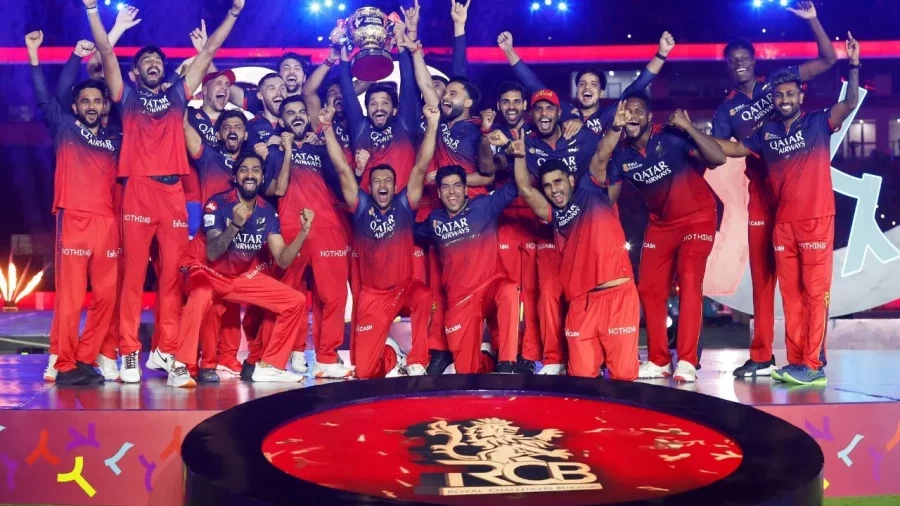
Praveen Someshwar, MD of United Spirits, articulated the company's stance, stating that while RCSPL has been a "valuable and strategic asset" for USL, it remains a "non-core business" to its primary alcobev operations. This move underscores USL's and Diageo's ongoing commitment to reviewing their Indian enterprise portfolio to ensure long-term value for all stakeholders, prioritizing the best interests of RCSPL. The company believes that divesting non-core businesses will strengthen its core operations. Despite being a non-core asset for USL, RCB holds significant market value, while earlier this year, following its maiden championship win, RCB was reportedly valued at approximately $269 million, making it one of the most valuable original IPL franchises. The team was established in 2008 when then-USL chairman Vijay Mallya acquired the Bengaluru franchise for $111. 6 million, the second-highest bid in that inaugural auction, while after Mallya's departure, Diageo gradually assumed full control of both USL and the RCB franchise over the years, and they're now reassessing this asset.
RCB's Market Value and Historical Context
Analyst Insights on Potential Sale
Industry analysts largely interpret this strategic review as a strong indication of a potential sale. Abneesh Roy, Executive Director at Nuvama Institutional Equities, commented on the high probability of the franchise being sold, while he noted a global trend where major consumer companies are increasingly monetizing non-core assets to raise funds for buybacks or to strengthen their balance sheets. This financial strategy allows companies to invest more heavily in their primary operations.
Global Alcohol Industry Trends
Roy further elaborated that globally, no other major alcohol beverage company owns sports franchises. These companies typically achieve their preferred brand visibility through media spots, sponsorships, or surrogate advertising, rather than direct ownership of sports teams. This perspective reinforces the idea that owning a cricket franchise doesn't align with the. Core business model of a liquor giant like USL, making its divestment a logical step.
Precedent: USL's Previous Divestments
This isn't the first time USL has streamlined its portfolio. In 2021, the company initiated a strategic review of selected popular brands, while a year later, it divested approximately 32 major brands, including well-known names like Haywards, Old Tavern, White-Mischief, Honey Bee, Green Label, and Romanov, to Singapore-based Inbrew for a sum of ₹820 crore. This history of divesting non-core assets lends credence to the likelihood of RCB's sale, as the company consistently optimizes its portfolio.
Attracting New Investors to India's Cricket Economy
The potential sale of RCB is expected to attract considerable interest from sports investors and private equity firms eager to tap into India's rapidly expanding cricket economy. This multi-billion dollar economy continues to grow, fueled by new media rights deals and evolving league formats. Investors see significant potential in owning a piece of such a prominent. And popular franchise, especially as cricket's popularity in India continues to soar.
Regulatory Hurdles and Approval Process
Any transaction involving the sale of the RCB franchise would necessitate multiple levels of approval. Nuvama's Roy highlighted that if the business is sold and begins operating as an independent corporate unit, dividends would be proportionally distributed to all shareholders, including minority investors and the parent company. Also, if a foreign entity expresses interest in acquiring the team, approvals would be required from the Board of Control for Cricket in India (BCCI), which owns the IPL and WPL, as well as other regulators, and potentially Foreign Direct Investment (FDI) or Foreign Exchange Management Act (FEMA) clearances, while this process is complex and involves various stakeholders, which could extend the sale timeline.
