

- India,
- 02-Mar-2026 01:53 PM IST


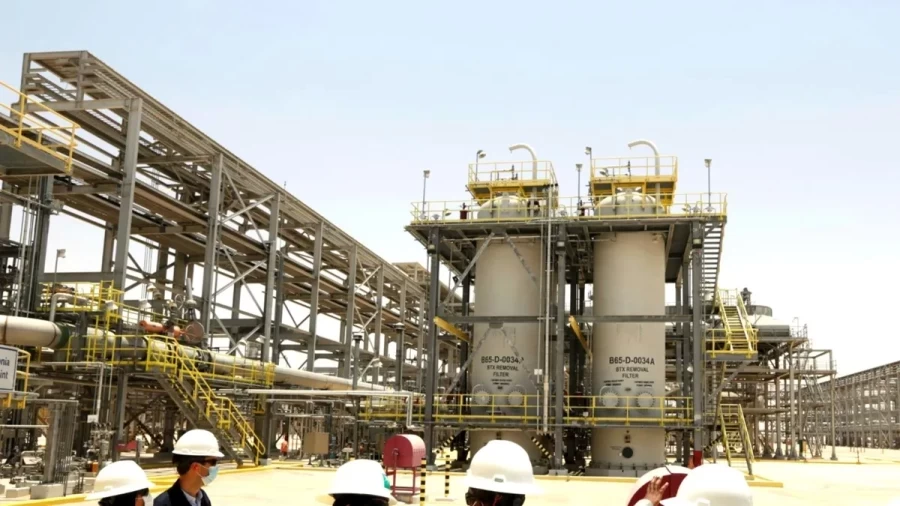
Saudi Aramco, the state-owned oil giant of Saudi Arabia, has temporarily halted operations at its massive Ras Tanura refinery on Monday morning. The decision follows reports of a suspected drone attack targeting the facility. According to official sources, a small and localized fire broke out within the refinery complex but was swiftly brought under control by emergency response teams. Authorities emphasized that the shutdown is a strictly precautionary measure to ensure the safety of personnel and infrastructure, stating that the situation is currently stable.
Incident Overview and Emergency Response
Reports indicate that suspicious aerial activity was detected near the Ras Tanura facility in the early hours of Monday, triggering immediate security protocols, while according to information shared by journalists on social media and local reports, the fire caused by the incident was minor and resulted in no casualties or significant structural damage. Technical teams are currently conducting a thorough assessment of the site. Security around the perimeter has been Importantly bolstered, and refining processes remain suspended pending a full safety clearance from the relevant authorities.
Strategic Importance of Ras Tanura Refinery
The Ras Tanura refinery is one of Saudi Arabia's oldest and most vital energy assets, boasting a processing capacity of approximately 550,000 barrels per day (bpd). It serves as a critical hub for both domestic fuel production and international exports. The facility processes crude oil into essential products such as gasoline, diesel, and jet fuel. Given its massive scale and its role as a primary export terminal, Ras Tanura is considered a cornerstone of the global energy supply chain, making any disruption a matter of international concern.
Potential Impact on Global Oil Markets
Market analysts suggest that while the current shutdown is temporary, any prolonged suspension of activities at Ras Tanura could lead to a sharp increase in global crude oil prices. The mere anticipation of a supply crunch often causes volatility in international benchmarks like Brent Crude and West Texas Intermediate (WTI). Since the refinery is a major source of processed petroleum products, a delay in operations could tighten the global market for diesel and aviation fuel, potentially leading to higher costs for consumers worldwide.
Disruptions to International Supply Chains
A significant portion of Saudi Arabia's oil exports flows through the Ras Tanura terminal. The temporary closure threatens to disrupt supply schedules to major importers in Asia and Europe, while countries such as India, China, and Japan, which rely heavily on Saudi energy exports, are monitoring the developments closely. Also, the shipping and logistics sectors may face delays as security screenings at export terminals are intensified. Officials are working to minimize the impact on scheduled shipments to maintain market stability.
Economic and Geopolitical Security Implications
Incidents involving energy infrastructure in the Middle East frequently escalate geopolitical tensions and heighten security concerns across the region. According to officials, security agencies are investigating the nature of the threat to determine if it was a coordinated strike. Such events can lead to increased insurance premiums for shipping and higher manufacturing costs globally due to energy price fluctuations. If energy costs remain elevated, it could influence inflation rates and the monetary policy decisions of major central banks. As of now, Saudi Aramco has not provided a specific timeline for the full resumption of operations.
