

- India,
- 29-Jan-2026 02:22 PM IST


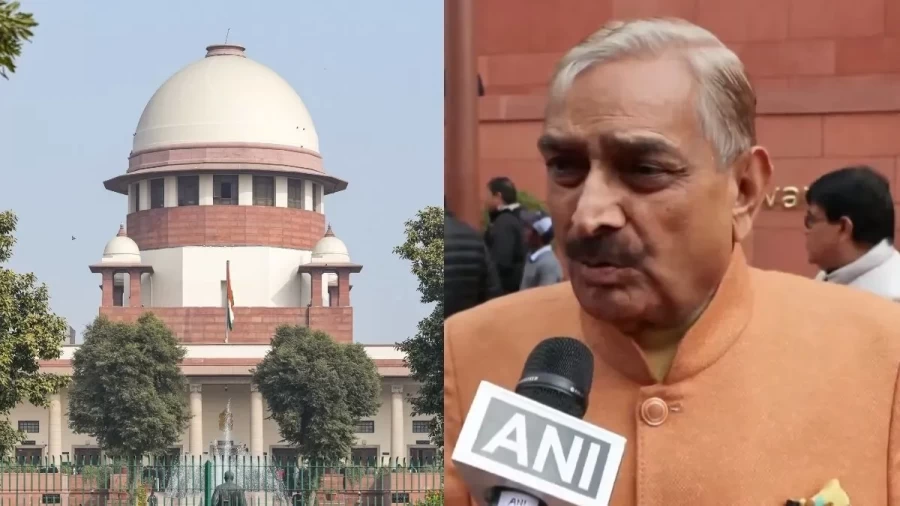
The University Grants Commission (UGC) is facing a significant legal and political setback as the Supreme Court of India has stayed its new regulations. During a crucial hearing on Thursday, the apex court observed that the language used in the new guidelines is ambiguous and lacks clarity. This decision has triggered a wave of reactions across the political spectrum, with opposition parties hailing it as a victory for constitutional values and student rights.
Supreme Court's Observations and Legal Implications
The bench hearing the matter expressed concerns over the drafting of the UGC guidelines. The court noted that the lack of precise terminology could lead to misinterpretation and potential harassment of students and educational institutions. By staying the implementation until the next hearing on March 19, the court has provided a temporary reprieve to those challenging the regulation. The UGC is now expected to refine the language or provide a strong justification for the existing framework.
Opposition Leaders Welcome the Judicial Intervention
Kalyan Banerjee, a prominent Member of Parliament from the Trinamool Congress (TMC), was quick to laud the court's decision. He termed the UGC guidelines as 'unconstitutional' and praised the judiciary for intervening at the right time, while similarly, Congress MP Pramod Tiwari launched a scathing attack on the central government. He accused the administration of diverting public attention from core issues like unemployment and inflation by introducing controversial regulations that incite social friction, while tiwari expressed his gratitude to the Supreme Court for upholding the rule of law.
Demands for Social Justice and Reservation
The controversy has also reignited the debate over caste-based discrimination in higher education. Congress MP Ranjeet Ranjan emphasized the need for a re-discussion on the issue to ensure that no student faces bias based on their caste. Adding a new dimension to the debate, RLP MP Hanuman Beniwal demanded that the government clarify its stance on SC/ST and OBC rights, while he argued that instead of confusing regulations, the government should focus on increasing OBC reservations following a proper census. Beniwal stressed that the dignity of marginalized students must be protected at all costs.
Government Ally's Perspective: Stay vs. Quash
Representing the ruling alliance's perspective, Sanjay Nishad, a minister in the Yogi Adityanath government, offered a more cautious interpretation. He welcomed the court's order but reminded critics that a 'stay' isn't the same as 'quashing' the regulation, while he stated that the legal process is ongoing and the merits of the case will be decided during the trial. Nishad maintained that the government's intent is to ensure that the innocent are protected while the guilty are punished, and they will wait for the final judicial verdict in March.
