

- India,
- 29-Jan-2026 09:06 AM IST


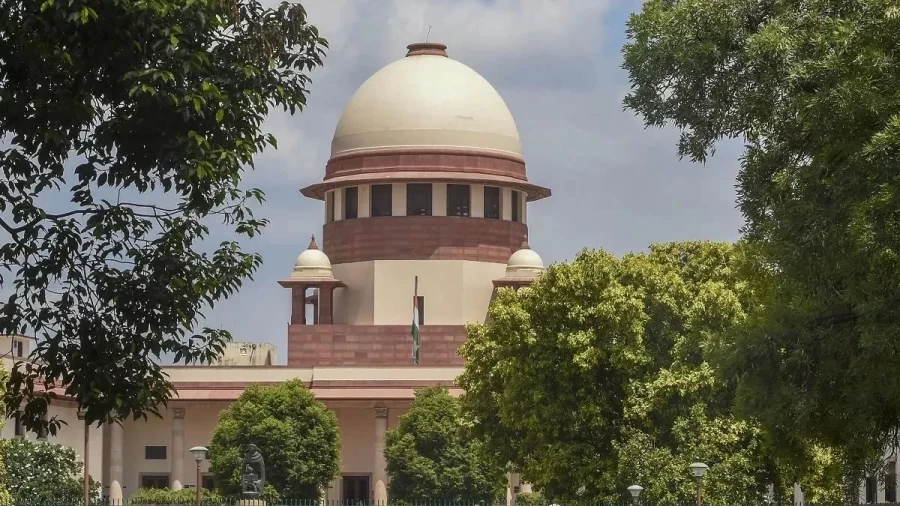
The Supreme Court of India is scheduled to hear a significant petition today challenging the recently notified 'UGC Regulation 2026'. A bench comprising Chief Justice Surya Kant and Justice Joymalya Bagchi will preside over the matter, while the petition, filed by advocate Vineet Jindal, alleges that the new University Grants Commission (UGC) rules are exclusionary and promote discrimination against students belonging to the general category.
The Core of the Legal Challenge
The primary contention of the petitioner is that the definition of 'caste-based discrimination' adopted in the new regulations is non-inclusive. According to the plea, Regulation 3(c) of the 2026 rules provides institutional protection and a grievance redressal mechanism only for specific categories, namely SC, ST, and OBC, while the petitioner argues that by excluding the general category from these protections, the UGC has violated the fundamental right to equality guaranteed under the Constitution.
Judicial Observations and CJI's Remarks
During the mentioning of the case, the petitioner's counsel emphasized that these rules could escalate bias against general category students in higher educational institutions. Responding to the arguments, CJI Surya Kant made a poignant observation, stating, 'We know what is happening. Ensure that the loopholes are plugged. ' The court's acknowledgment of the situation has raised expectations for a detailed scrutiny of the administrative framework established by the UGC.
The 'Natural Offender' Perception
One of the most controversial points raised in the petition is the perception that the new act treats the general category as 'natural offenders', while the lawyers argued that the act assumes discrimination only flows in one direction. They pointed out that there is no institutional mechanism for a general category student to report harassment or bias based on their identity. The plea states that while the act was intended to foster equality, its current form might inadvertently deepen the social divide within campuses.
Understanding UGC Regulation 2026
Notified on January 13, 2026, these regulations were introduced following directions from the Supreme Court to curb caste-based atrocities in universities, while the rules mandate the formation of an 'Equity Committee' (Samata Samiti) in every higher education institution to investigate complaints of discrimination. However, the legal challenge seeks to make this system universal, ensuring that any student, regardless of their caste or category, can seek justice if they face discrimination.
Impact on Higher Education
The outcome of this hearing will have far-reaching consequences for millions of students across India, while if the Supreme Court decides to stay the implementation of Regulation 3(c), the UGC might have to redraft the rules to include a broader definition of discrimination. Educational experts suggest that a truly inclusive policy should protect every individual from harassment, ensuring that. Merit and equality go hand in hand without creating a sense of exclusion for any particular community.
