
- India,
- 06-Sep-2026 07:54 PM IST



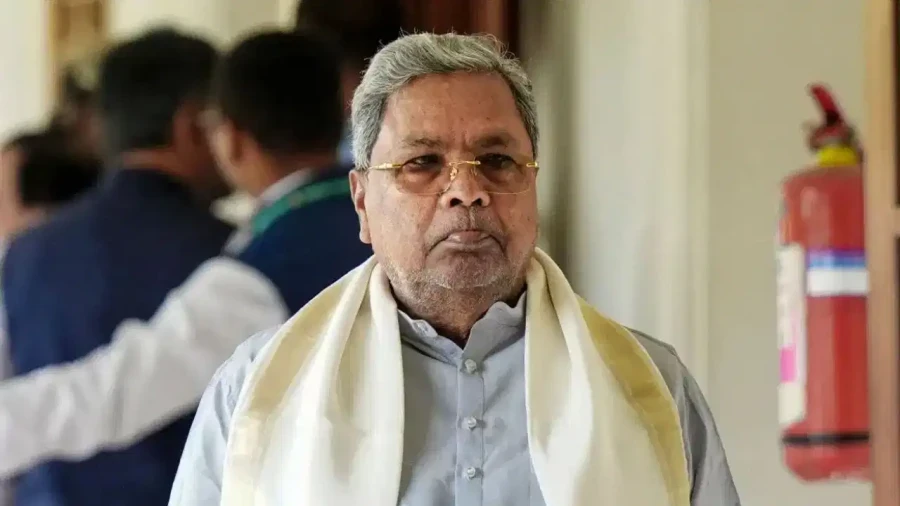
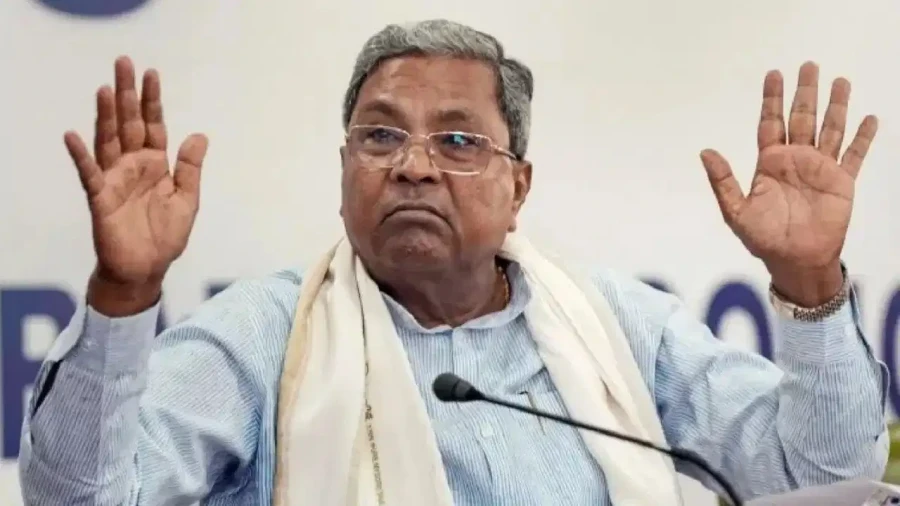
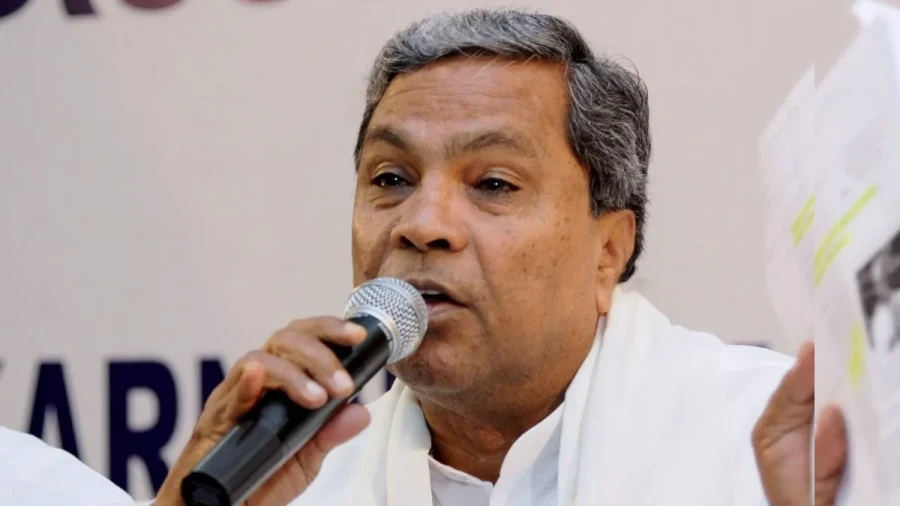
Former Karnataka Chief Minister Siddaramaiah has made a significant political statement by demanding the implementation of a caste census and an increase in reservation for Dalits, backward communities, and minorities to 75 percent. Speaking at a high-profile event in Bengaluru, the veteran leader emphasized that a truly egalitarian society can't be established without providing equal opportunities based on the actual population of various communities. His remarks have once again brought the debate over social justice and proportional representation to the forefront of the state's political discourse.
Demand for Proportional Representation
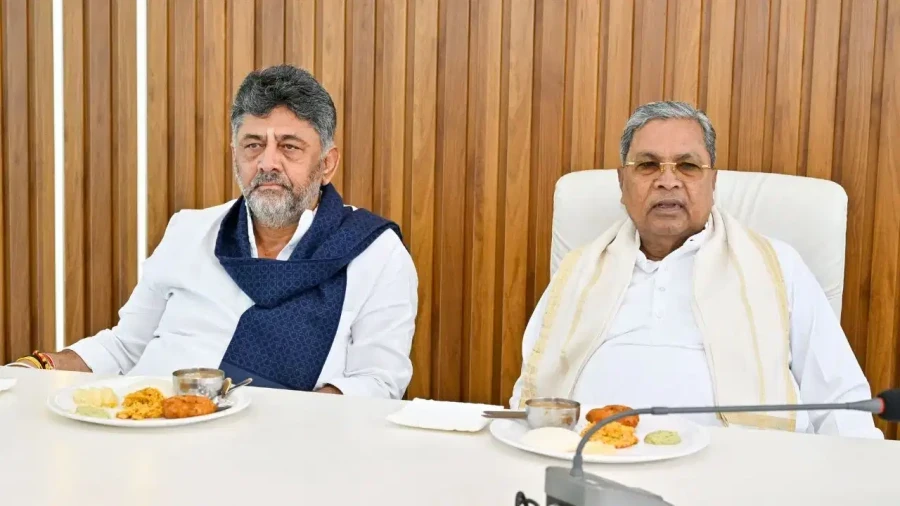
During his address at the Silver Jubilee celebrations of the Karnataka State Backward Classes Federation, Siddaramaiah asserted that the caste survey report must be implemented without further delay. He argued that reservation should be allocated in direct proportion to the population of each community. According to the former Chief Minister, this is the only viable path toward creating a society where every individual has a fair chance at success. He stressed that when every section of society receives reservation according to their caste and population, only then can the vision of an equal society be realized.
Political Reservation and Legislative Representation
Siddaramaiah didn't limit his demands to education and employment alone. He further stated that to achieve true political equality, a similar system of reservation based on caste and population is necessary in the Lok Sabha and State Assemblies, while he believes that without representation in the highest legislative bodies of the country, the backward sections will continue to remain on the margins of the decision-making process. This call for legislative reservation marks a significant expansion of the traditional reservation discourse.
The History of the Caste Survey
The former Chief Minister recalled the efforts made during his previous tenure to bring transparency to the demographic data of the state. He mentioned that the caste survey was essential because there were no accurate figures regarding the population of backward communities. Siddaramaiah reminded the audience that he had ordered the survey in 2013 shortly after becoming the Chief Minister. However, the report couldn't be completed during that specific term. He also made a specific reference to the report of the Backward Classes Commission headed by Madhusudan Naik, stating that he had accepted this report even before stepping down from the Chief Minister's post.
Legal Hurdles and Current Status
Addressing the reasons behind the delay in the implementation of the survey findings, Siddaramaiah explained that the report is currently held up due to court orders. He noted that legal interventions have prevented the report from being made public or implemented at this stage, while he shared that he has already communicated these details to Ramachandrappa, the president of the Federation. Despite these legal challenges, his stance remains firm that the data collected through these surveys is vital for the upliftment of the marginalized sections.
The Ongoing Struggle Against the Caste System
Siddaramaiah emphasized that the struggle against the caste system must continue until absolute equality and equal opportunities are achieved for all. " He pointed out that historically, the caste system has systematically deprived a large portion of society of education and opportunities. Reflecting on his own journey, the former Chief Minister shared that he has personally experienced the lack of reservation and claimed that reservation in education and employment has Importantly increased opportunities for backward communities.