
- India,
- 27-Jul-2026 03:28 PM IST



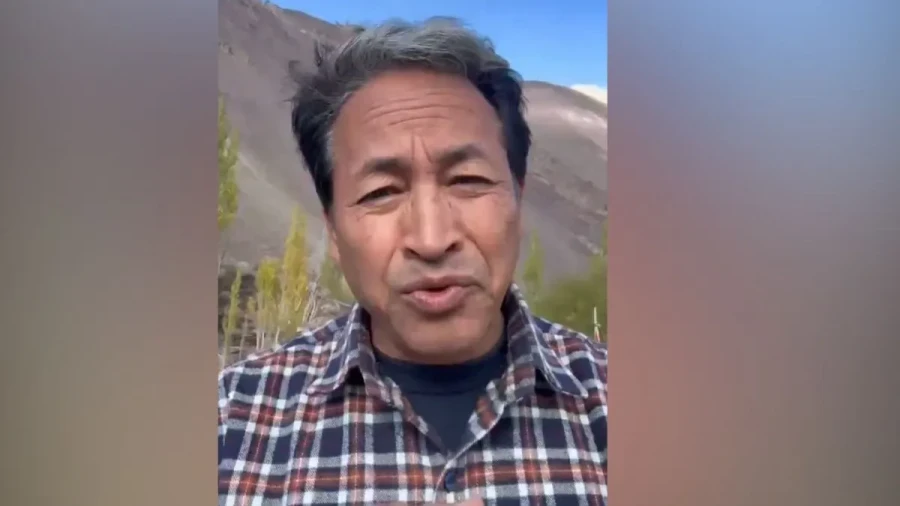
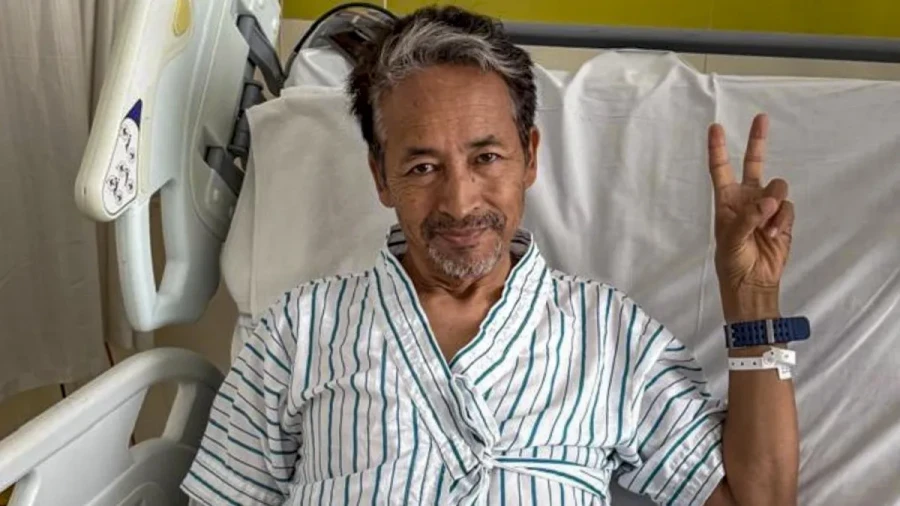
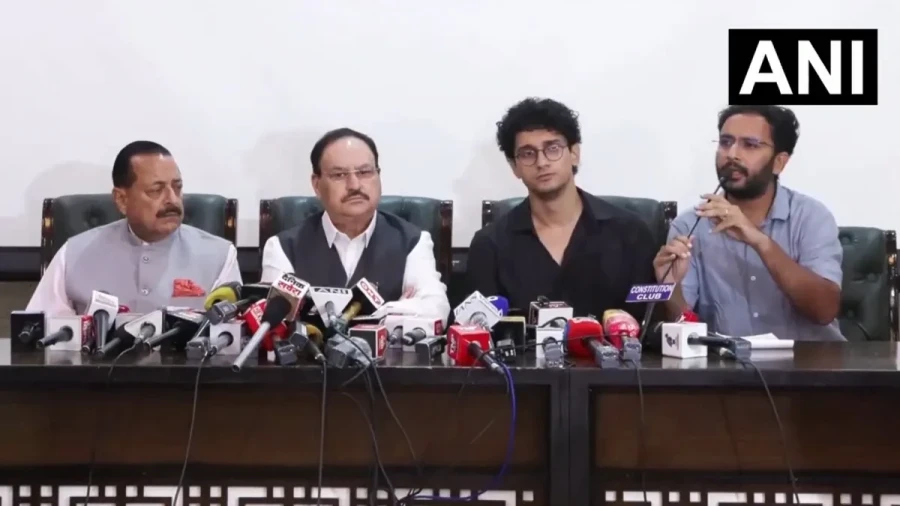
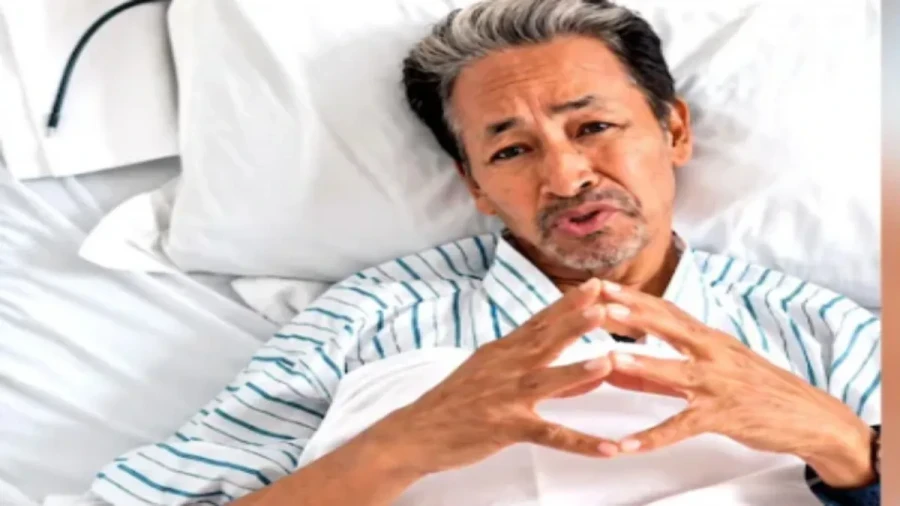
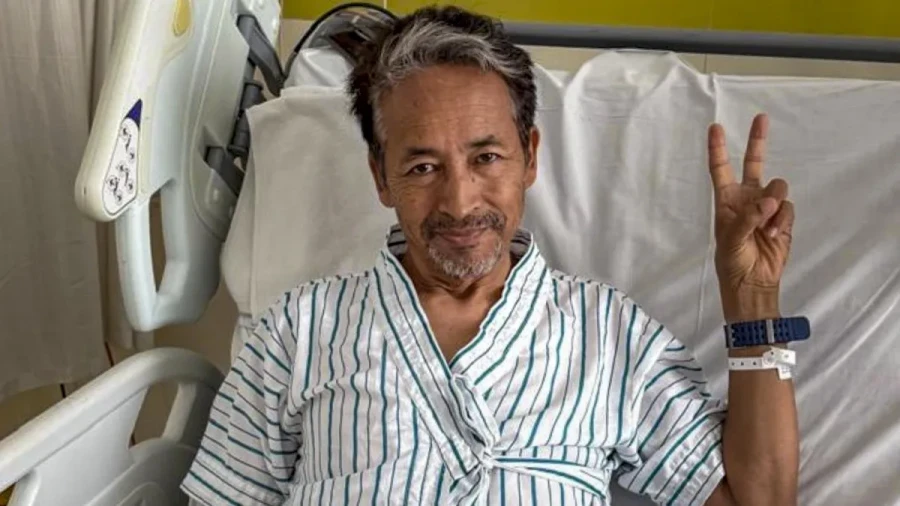
Activist Sonam Wangchuk has been officially discharged from Medanta Hospital in Gurugram this Monday. Following his release from the medical facility, the prominent activist made his way directly to Rajghat to pay his respects, while this visit marks a significant moment before his scheduled departure for Ladakh. Wangchuk had been undergoing treatment and observation at the hospital following a grueling 26-day hunger strike centered on the NEET paper leak controversy. The activist's decision to end his fast came after the government formally accepted all his demands, leading to the conclusion of his protest on the late night of July 24. It was Union Minister JP Nadda who visited the hospital to facilitate the breaking of the fast, marking a pivotal moment in the resolution of the conflict.
The Journey to Rajghat and Return to Ladakh
Upon being discharged from Medanta Hospital, Sonam Wangchuk's first destination was Rajghat. This location holds deep symbolic value for the activist, as he had also visited the memorial of Mahatma Gandhi on June 28, just before commencing his hunger strike. During that initial visit, he had paid tribute to the Father of the Nation before starting his indefinite fast at Jantar Mantar in support of students affected by the paper leak issue. Now, having concluded his protest and recovered sufficiently, he returned to Rajghat to offer his prayers once more before heading back to his home in Ladakh. The activist's journey from the hospital to the memorial and then towards his home region signifies the end of a long and arduous period of protest and medical recovery.
Medical Details and Hospital Statement
Gurugram's Medanta Hospital provided a detailed update regarding Sonam Wangchuk's health and the treatment he received. 2026. During his stay, he was treated under an integrated protocol that combined expertise from various departments, including Internal Medicine, Critical Care, and other related specialties. This coordinated multi-specialty care is a standard at Medanta, ensuring that the patient's recovery is monitored from all medical angles. At the time of his discharge, the hospital confirmed that his condition was stable and he was fully conscious, while his vital signs, such as blood pressure and pulse, were within the normal range. As part of his post-discharge care, the medical team has advised him to undergo routine follow-up as an outpatient to ensure his continued well-being.
Timeline of the 26-Day Hunger Strike
The protest led by Sonam Wangchuk began on June 28 when he joined the movement at Delhi's Jantar Mantar. His hunger strike lasted for a total of 26 days, during which his health became a matter of concern. On July 18, the police intervened and moved Wangchuk from Jantar Mantar to Safdarjung Hospital. Subsequently, following an order from the Delhi High Court, he was transferred to Medanta Hospital in Gurugram for specialized care. It was only on July 24 that Wangchuk decided to break his fast. He explained that this decision was reached after extensive negotiations involving several conditions and was also motivated by a desire to prevent any potential violence in the country. The involvement of Union Minister JP Nadda in breaking the fast underscored the government's engagement with the activist's concerns.
Conclusion of the CJP Protest and Resignation of Education Minister
In a related development, the movement led by the Cockroach Janta Party (CJP) at Jantar Mantar also came to an end this past Saturday. This particular protest had been ongoing for 36 days, having started on June 20. A major outcome of this period of unrest was the resignation of Education Minister Dharmendra Pradhan from his post, while sonam Wangchuk took to social media to express his thoughts on these developments, describing them as a victory for democracy. In his tweet, he stated, "This is a victory for democracy - a direct victory for democracy that has come straight from the streets. It's a victory of peace, patience, and perseverance. " This statement highlights the activist's belief in the power of peaceful protest and the role of the younger generation in shaping the nation's future.