South Africa-China Trade Deal: Response to Trump Administration's High Tariffs

South Africa and China have signed a framework agreement for a new trade deal following high import tariffs imposed by the Trump administration. The deal aims to provide South African goods duty-free access to Chinese markets, countering diplomatic friction and economic pressure from the United States.

In a significant geopolitical shift, South Africa and China signed a framework agreement on Friday to initiate negotiations for a comprehensive new trade deal. This development comes as South Africa, the continent's most industrialized economy, seeks to diversify its trade portfolio in response to aggressive tariff policies and diplomatic exclusion by the Trump administration. The agreement marks a strategic pivot toward Beijing as Pretoria navigates a complex international trade environment characterized by increasing protectionism in the West.

The Impact of Trump's Reciprocal Tariff Policy

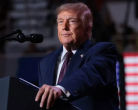
Under President Donald Trump’s 'Reciprocal Tariff Policy', the United States has imposed a 30% duty on various South African exports, representing one of the highest tariff rates applied globally. S. this year. According to government officials, these measures have accelerated South Africa's efforts to secure preferential trade terms with alternative global powers, primarily China, to safeguard its domestic industries.

Timeline and Key Provisions of the New Trade Deal

The South African Ministry of Trade and Industry has indicated that the framework agreement will lead to a finalized deal by the end of March 2025. A primary component of the negotiations involves securing duty-free access for South African agricultural products, such as fruit, into the vast Chinese market, while in exchange, South Africa is expected to offer enhanced investment opportunities for Chinese firms. This is particularly relevant for the automotive sector, where Chinese car manufacturers have seen a rapid increase in sales and market share within South Africa over the past year.

Strategic Benefits for Mining and Renewable Energy

Trade and Industry Minister Parks Tau, who traveled to China for the signing ceremony, emphasized that the deal would provide substantial benefits to South Africa’s mining, agriculture, renewable energy, and technology sectors. China is already South Africa's largest trading partner in terms of both imports and exports, while the ministry stated that South Africa intends to work with China in a 'friendly, pragmatic, and flexible' manner to ensure mutual economic growth. This cooperation is seen as a vital step in modernizing South Africa's infrastructure through Chinese technological expertise.

Analytical Perspective on Global Trade Shifts

According to trade analysts, the South Africa-China agreement is a direct consequence of the shifting dynamics within the BRICS bloc and the broader global trade landscape. S. adopts more isolationist economic policies, emerging economies are increasingly forming bilateral alliances to mitigate risks. S, while s. trade stance.

SUBSCRIBE TO OUR NEWSLETTER