

- India,
- 06-Feb-2026 06:20 PM IST


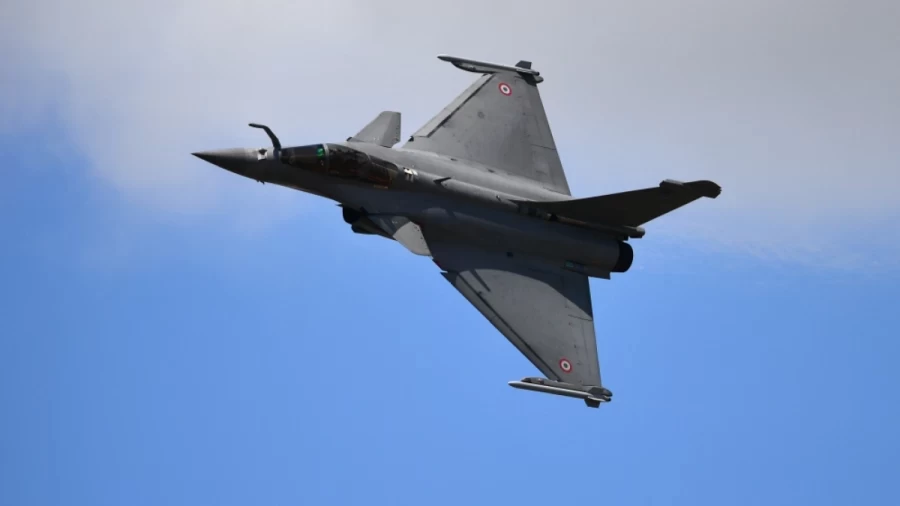
The Indian Air Force (IAF) is embarking on a significant technological upgrade to its frontline Rafale fighter jets. According to official defense sources, the IAF plans to integrate the indigenous 'Astra' Beyond Visual Range (BVR) air-to-air missiles into the Rafale fleet by the year 2028. This initiative is part of a broader strategy to reduce reliance on expensive foreign weapon systems and enhance the operational flexibility of the French-origin aircraft. Currently, the Rafale is equipped with European missile systems like the Meteor and MICA, but the inclusion of the Astra series marks a pivotal shift toward domestic defense manufacturing.
Technical Collaboration with Dassault Aviation and Thales
The integration of a non-native missile system into a sophisticated platform like the Rafale requires deep technical synergy. Defense sources indicate that the French aerospace giant Dassault Aviation, the manufacturer of the Rafale, and Thales, the provider of its radar and electronic warfare suites, will provide the necessary technical and software support. This collaboration is essential for modifying the aircraft's mission computer and fire control radar to recognize and guide the Astra missiles. According to analysts, this partnership ensures that the indigenous missile can benefit from the full potential of the Rafale's RBE2 active electronically scanned array (AESA) radar for long-range engagements.
Capabilities of Astra Mk-1 and Mk-2 Missiles
Developed by the Defence Research and Development Organisation (DRDO), the Astra missile is a state-of-the-art air-to-air weapon system. The Astra Mk-1, which is already operational on the Sukhoi-30MKI and the indigenous LCA Tejas, boasts a range exceeding 100km. The upcoming Astra Mk-2 is expected to be even more formidable, with an estimated strike range of approximately 160km. These missiles are designed to engage high-speed aerial targets under all weather conditions. Integrating both variants into the Rafale will provide Indian pilots with a versatile and cost-effective alternative to imported long-range missiles, ensuring air superiority in the region.
Multi-stage Testing and Validation Process
The path to full operational integration involves a series of rigorous testing phases. Defense analysts state that the process will begin with extensive computer simulations to study the aerodynamic impact of the missile on the aircraft. This will be followed by captive flight trials, where the missile is carried by the aircraft to test electronic connectivity and vibration levels during various flight maneuvers. The final and most crucial stage will involve live firing trials against simulated aerial targets to validate the missile's guidance and terminal accuracy. Only after the successful completion of these phases will the Astra be cleared for active service on the Rafale.
Strategic Impact and Defense Self-Reliance
According to defense experts, the integration of the Astra missile into the Rafale fleet is a cornerstone for India's strategic autonomy. Relying on indigenous weaponry ensures that the IAF isn't vulnerable to supply chain disruptions or geopolitical pressures during conflicts. Also, the cost of an indigenous Astra missile is Notably lower than its international counterparts like the Meteor, allowing for larger stockpiles. Analysts believe that this successful integration will serve as a blueprint for future projects where indigenous sensors and weapons are fitted onto foreign-made platforms, strengthening the 'Make in India' narrative in high-tech defense sectors.
Ultimately, the planned integration of Astra missiles into the Rafale by 2028 represents a major milestone for the Indian Air Force. It not only enhances the lethal reach of the aircraft but also underscores India's growing capability in developing world-class aerospace technology, ensuring a more self-reliant and potent air defense posture.
