

- India,
- 21-Aug-2025 11:37 AM IST


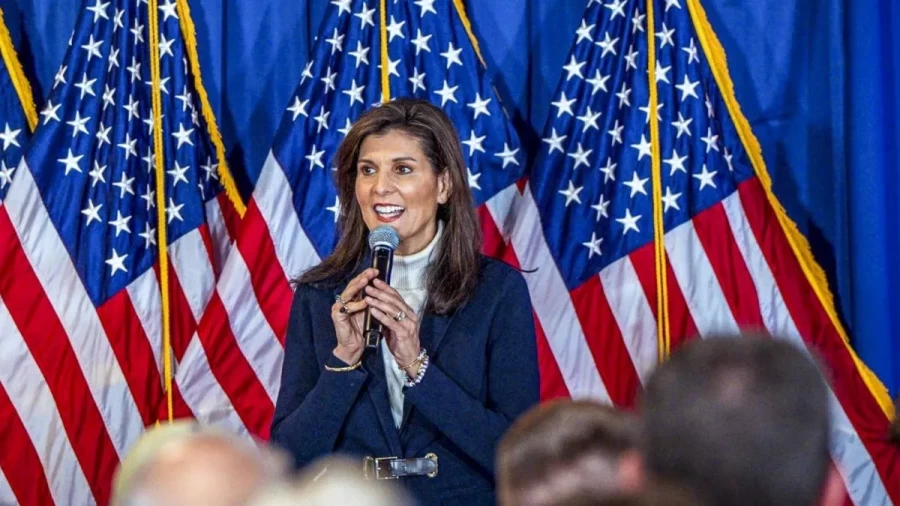
India-America Relations: US President Donald Trump's decision to impose a 50 percent tariff on India has created tensions in the strategic partnership between the two countries. The tariff, which has been imposed in response to buying oil from Russia, is souring relations between India and the US. The move is being criticized within the US itself, especially by former US Ambassador to the United Nations Nikki Haley, who has given a stern warning to Trump. Haley has termed it a "strategic disaster" and advocated seeing India as an important democratic partner.
Nikki Haley's warning
Nikki Haley, in an article published in Newsweek, warned the Trump administration that treating India like enemies is detrimental to US interests. She said, "India is not our enemy." Haley stressed that breaking the strong relationship built between India and the US over the last 25 years would be a dangerous move. She stressed the need to see India as a valuable democratic partner, which can play an important role in countering China's growing ambitions on the global stage.
India's strategic importance against China
Haley presented India in her article as a power capable of balancing Chinese dominance in Asia. She said that India's rise, which is taking place as a democratic country, is not a threat to the free world "unlike communist-controlled China". Haley argued that India's growing economic and strategic power is the biggest obstacle to China's goals of reshaping the global order. She wrote, "As India's power grows, China's ambitions will diminish."
Haley also pointed out that India has the potential to help the US move its supply chains away from China. India's fast-growing economy, which may soon overtake Japan, makes it an important partner. She warned that by imposing tariffs on India and trying to put it under pressure, the US is not only harming its strategic interests but also giving China an opportunity to take advantage of this tension.
Impact of tariffs
The Trump administration has imposed a 25 per cent reciprocal duty and an additional 25 per cent duty on India, taking the total tariff to 50 per cent. The move is aimed at pressuring India to stop buying Russian oil. However, India has lodged strong protests, calling it "unfair and unreasonable". According to the Global Trade Research Initiative, the tariff could lead to a 40 to 50 per cent drop in Indian exports to the US, impacting sectors such as textiles, auto components, chemicals and gems.
In response, India has sought consultations with the World Trade Organization (WTO), arguing that these tariffs have been imposed in the name of national security, but in reality they violate WTO rules. India has also started considering the possibility of imposing retaliatory tariffs, raising fears of a trade war between the two countries.
Criticism within the US
Trump's move is also being strongly criticized in his own country. US senators and House Foreign Affairs Committee Democrats have called it a threat to India-US relations. Senator Gregory Meeks said, "Trump's recent tariff tantrum is threatening years of efforts to strengthen the US-India partnership." He stressed that concerns between the two countries should be resolved with mutual respect.
Nikki Haley also supported Trump's pressure campaign and advised India to take Trump's statements on Russian oil seriously and work with the White House to find a solution. However, she also said that India should be seen as a partner rather than an enemy like China.
India's strategic response
India has taken a tough stand in response to this tariff. Prime Minister Narendra Modi has made it clear that India will not compromise on its national interests and the interests of farmers, fishermen and people associated with the dairy sector. India has refused to bow down to the US and has prepared a legal basis for retaliation under the rules of the World Trade Organization.
At the same time, India has adopted a strategy to take advantage of the geopolitical situation. Recently, India has taken steps towards improving relations with China, and Prime Minister Modi's upcoming visit to China is an important step in this direction. Apart from this, India has focused on strengthening its relations with BRICS countries and other global partners, so that the impact of US tariffs can be reduced.
