

- India,
- 17-Apr-2026 11:26 PM IST


A major development has emerged from the Middle East, capturing the attention of both global politics and the oil market. Iran has made a significant announcement regarding the Strait of Hormuz. Following a period of prolonged tension and threat, this crucial maritime route has been reopened. Iranian Foreign Minister Abbas Araghchi stated that following the ceasefire in Lebanon, the path has been opened for all commercial vessels. However, he added that this decision isn't permanent and the relaxation will only remain in effect for the duration of the ceasefire in Lebanon.
Donald Trump Confirms and Expresses Gratitude
Former US President Donald Trump also confirmed this development. Through his social media platform, Truth Social, he stated that Iran has decided to open the way for all types of ships. Trump expressed his gratitude for this decision taken by Iran.
Background of Conflict and Global Oil Market Impact
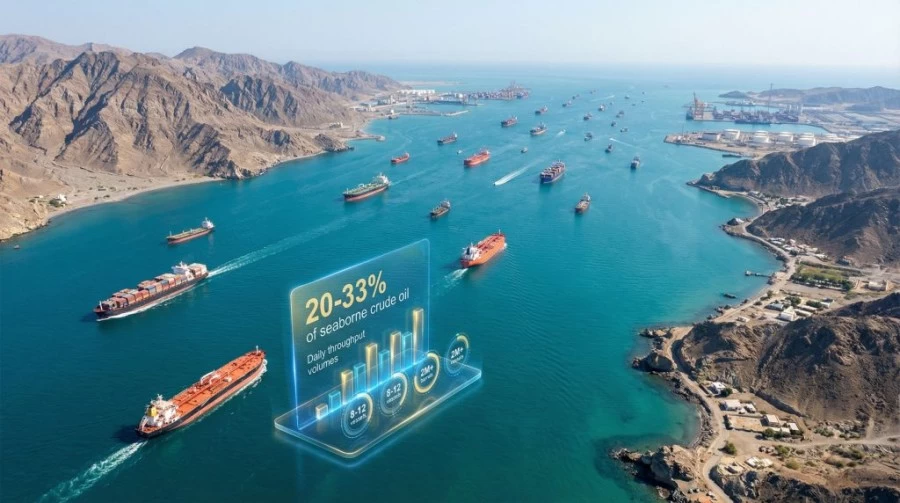
In recent months, the situation in the region had deteriorated Notably. Following attacks on Iran by Israel and the United States on February 28, 2026, tensions escalated across the entire region. Subsequently, Iran limited the movement of ships through this vital maritime passage, while the impact of this decision was felt globally, as prices of crude oil and gas in the international market became suddenly volatile. The reason is clear: approximately 20 to 25 percent of the world's oil transport passes through this specific route.
Strategic Importance and Temporary Nature of Reopening
It's essential to understand the significance of the Strait of Hormuz. It's an extremely narrow maritime passage located between the Persian Gulf and the Gulf of Oman. Its width reduces to about 33 kilometers at certain points. When the conflict intensified, Iran utilized this route to exert pressure, while specifically, blocking oil tankers associated with hostile nations was part of its strategy.
Now that the ceasefire has been implemented in Lebanon, Iran has shown some leniency. However, it remains clear that this relief is temporary. If the situation worsens again, the route could be closed once more.
