

- India,
- 05-Mar-2026 09:20 PM IST


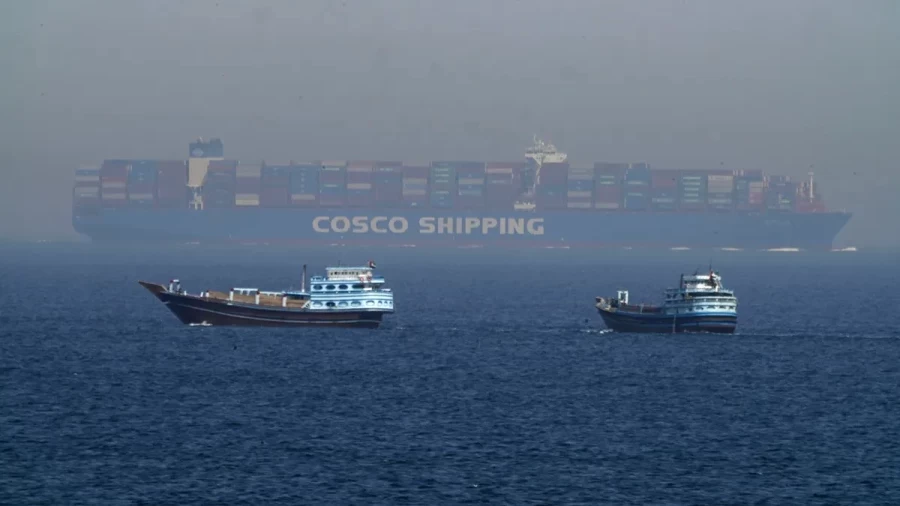
In a significant development amid escalating Middle East tensions, Iran has clarified its operational policy regarding the Strait of Hormuz, one of the world's most critical maritime chokepoints. The Islamic Revolutionary Guard Corps (IRGC) stated on Thursday that the passage isn't under a total blockade. Instead, the restrictions are specifically targeted at vessels belonging to the United States, Israel, Europe, and their Western allies. This clarification comes as a major relief for global trade, particularly for nations like India that rely heavily on this route for energy imports.
IRGC Announces Selective Blockade Policy
According to official statements from the IRGC, the decision to restrict maritime traffic is a direct response to the ongoing conflict involving Israel and its supporters. Iranian officials emphasized that the blockade is selective and aimed at nations providing military or diplomatic backing to Israel. Previously, the threat of a complete closure of the Strait had sent shockwaves through global energy markets, raising fears of a massive spike in crude oil prices. While hundreds of ships remain anchored awaiting clearance, the new directive suggests that non-Western vessels may soon resume transit through the strategic waterway.
Strategic Implications for Indian Maritime Trade
The announcement is particularly beneficial for India, which had several oil tankers and cargo ships stranded due to the volatility in the region. India imports a substantial portion of its crude oil from Middle Eastern suppliers, and the Strait of Hormuz serves as the primary gateway for these shipments. Government sources indicate that Indian authorities are closely monitoring the situation following the IRGC's statement. The assurance that the blockade is limited to specific Western nations provides a pathway for Indian-flagged vessels to navigate the region with reduced risk, ensuring the stability of the domestic energy supply chain.
Evolution of Iran's Stance on Maritime Passage
The policy regarding the Strait of Hormuz has seen rapid shifts over the past few days. Initially, Tehran had declared a total halt to all maritime traffic in response to perceived threats from the US and Israel, while by Wednesday, officials hinted at preferential treatment for Chinese-flagged vessels, citing Beijing's diplomatic stance on the Middle East crisis. The latest update, which narrows the blockade to specific Western entities, indicates a strategic move by Iran to maintain trade relations with neutral and friendly nations while exerting pressure on its primary adversaries.
Alternative Energy Partnerships with Australia and Canada
In response to the regional instability, India has intensified its diplomatic efforts to diversify energy sources. According to central government sources, both Australia and Canada have offered to supply Liquefied Natural Gas (LNG) and other energy resources to India. This proactive diplomacy aims to safeguard the country against potential supply disruptions in the Middle East, while indian officials are currently exploring various procurement options to ensure that the national energy grid remains unaffected by external geopolitical shocks.
Domestic Fuel Reserves and Supply Status
Sources within the Ministry of Petroleum and Natural Gas have confirmed that India maintains sufficient stocks of crude oil, LPG, and LNG, while the government is refilling strategic reserves on a daily basis to prevent any domestic shortage. Officials stated that there is currently no scarcity of crude oil in the country, and contingency plans are in place to use strategic petroleum reserves if necessary. The offers from Australia and Canada are being evaluated at the highest levels to further strengthen India's energy security framework through diversified international partnerships.
