

- India,
- 21-Jan-2026 10:54 AM IST


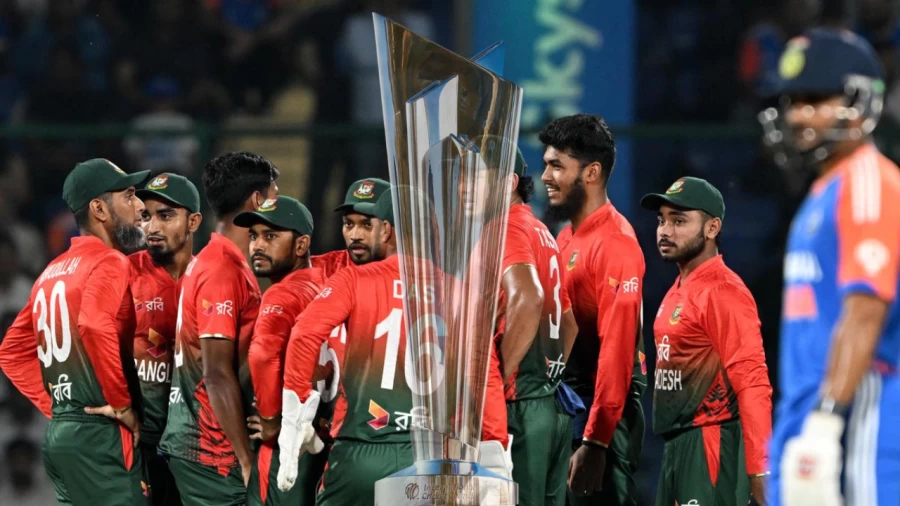
The International Cricket Council (ICC) has placed the Bangladesh Cricket Board (BCB) under immense pressure as the deadline for confirming their participation in the T20 World Cup 2026 approaches. Following a high-stakes meeting in Dhaka on January 17, the ICC issued a final ultimatum to the BCB, demanding a definitive answer by January 21. The tension arises from Bangladesh's reluctance to play their matches in India, citing security concerns and requesting a shift in venues or groups. As the clock ticks down, the silence from the Bangladesh camp suggests a potential standoff that could lead to their exclusion from the mega event. This situation has put the entire cricketing fraternity on high alert, as the. Absence of a major Test-playing nation would be unprecedented for such a tournament.
The Core of the Dispute
The primary reason for this deadlock is Bangladesh's demand to play all their group stage matches in Sri Lanka instead of India. The 2026 T20 World Cup is scheduled to be co-hosted by India and Sri Lanka. Bangladesh, currently placed in Group C, expressed concerns about traveling to India and requested the ICC to swap their position with Ireland, who are in Group B and scheduled to play their matches in Sri Lanka. The BCB argued that such a move would ensure the safety of their players while allowing them to participate in the tournament. They've cited political and security reasons for their hesitation, but the ICC has viewed these demands as a logistical nightmare that could disrupt the entire tournament structure.
The ICC's stance has been clear from the beginning: no special treatment will be granted regarding the tournament structure, while by setting a January 21 deadline, the governing body has forced Bangladesh into a corner. If the BCB fails to provide a positive confirmation by the end of the deadline, the ICC is prepared to move forward without them. This situation has created a wave of uncertainty in the cricketing world, as Bangladesh is a significant team with a massive fan base, while their absence wouldn't only impact the competitive balance of Group C but also have financial implications for the tournament's broadcasters and sponsors. The ICC is keen on maintaining the integrity of the pre-decided schedule to avoid any last-minute chaos.
Scotland as the Likely Successor
In the event that Bangladesh is officially removed or withdraws from the T20 World Cup 2026, the ICC will need an immediate replacement, while reports suggest that Scotland is the frontrunner to take the vacant spot. Based on their current ICC rankings and performance in previous qualifying cycles, Scotland stands as the most eligible team to step in, while while the ICC has not yet formally contacted Cricket Scotland, the logistical planning for such a replacement would need to begin almost immediately after the deadline expires. For Scotland, this would be an unexpected but welcome opportunity. To showcase their talent on the world stage once again. They've proven themselves as giant-killers in the past and would bring a fresh energy to the tournament.
What Lies Ahead for Bangladesh Cricket
The next 24 hours are crucial for the future of Bangladesh cricket. A decision to withdraw could lead to further sanctions or a strained relationship. With the ICC and the Board of Control for Cricket in India (BCCI). On the other hand, agreeing to play in India would require the BCB to manage internal pressures and player concerns, while fans across the globe are eagerly waiting to see if diplomacy prevails or if the 2026 T20 World Cup will witness a major shake-up in its team lineup. The outcome will set a precedent for how the ICC handles venue-related disputes in the future. If Bangladesh misses out, it will be a significant setback for their cricket development and a missed chance for their players to compete at the highest level.
