

- India,
- 01-Feb-2026 09:40 PM IST


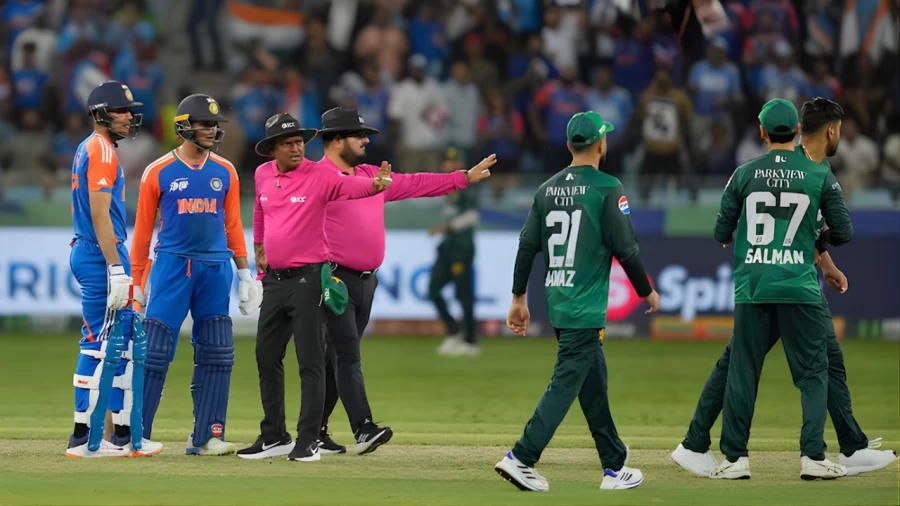
The Government of Pakistan has formally announced that its national cricket team won't participate in the highly anticipated T20 World Cup 2026 match against India. In an official statement released on Sunday evening, the government clarified that while the Pakistan team will participate in the tournament, they will boycott the specific fixture against India scheduled for 15 February 2026 in Colombo. This move is a direct response to the International Cricket Council's (ICC) decision to replace Bangladesh with Scotland in the tournament lineup.
Government Stance and Diplomatic Context
The controversy stems from the ICC's decision on 24 January to induct Scotland into the tournament after Bangladesh expressed security concerns regarding playing in India. In a show of solidarity with Bangladesh, the Pakistan government decided to boycott the match against India. An official post from the government on X stated that while the Islamic Republic of Pakistan permits the team to participate in the ICC World T20 2026, the team won't take the field for the match against India on 15 February 2026.
High-Level Deliberations at PCB
The decision follows a high-level meeting between Pakistan Cricket Board (PCB) Chairman Mohsin Naqvi and Prime Minister Shehbaz Sharif on 26 January. During this meeting, the implications of Pakistan's participation and the diplomatic nuances of the India-Pakistan sporting rivalry were discussed. Naqvi had previously indicated that the final verdict would rest with the federal government. The announcement has now solidified Pakistan's position, creating a significant stir in the international cricketing community.
Impact on Group Stage and Points Table
Following the boycott, both Pakistan and India will effectively play only 3 matches each in the group stage. Pakistan is scheduled to face the Netherlands on 7 February, the USA on 10 February, and Namibia on 18 February. India’s schedule includes matches against the USA on 7 February, Namibia on 12 February, and the Netherlands on 18 February. According to ICC protocols, a boycott results in a forfeit, granting 2 points to the opposing team. Consequently, India will receive 2 points without taking the field, Importantly easing their path to the Super-8 stage.
Technical Implications and Net Run Rate
7, a boycott can severely damage a team's Net Run Rate (NRR). In this scenario, Pakistan will be recorded as having scored 0 runs in 20 overs, while India’s overs won't be counted for the calculation. Analysts suggest this could push Pakistan's NRR into negative territory, potentially jeopardizing their qualification for the knockout stages unless they secure massive victories in their remaining fixtures against other Group A opponents.
Financial Consequences for ICC and Broadcasters
The India-Pakistan clash is historically the most-watched event in world cricket. Financial analysts estimate that this single fixture generates approximately 8-10% of the total revenue for the entire World Cup. While the ICC has already secured media rights revenue, the primary financial burden will fall on broadcasters who have already sold advertising slots. Broadcasters may seek compensation from the ICC for the loss of premium content, as the absence of this match impacts global viewership figures Importantly.
Historical Context and Future Outlook
India has maintained a dominant record against Pakistan in World Cup events. In T20 World Cups, the two nations have met 8 times, with India winning 7 and Pakistan winning only 1. In ODI World Cups, India holds a perfect 8-0 record. According to sports analysts, while the boycott serves a diplomatic purpose, it raises questions about the future of multi-nation tournaments. It remains unclear whether Pakistan would reconsider its stance if the two teams were to meet in the knockout stages of the tournament.
