

- India,
- 25-Feb-2026 06:00 AM IST


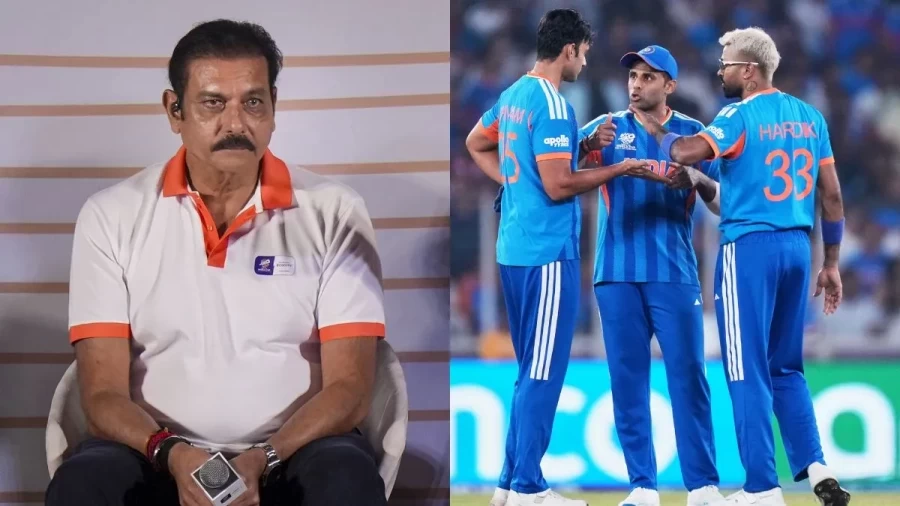
In a significant development during the Super-8 stage of the ICC T20 World Cup 2026, the Indian cricket team suffered a 76-run defeat at the hands of South Africa. This marks India's first loss in the ongoing tournament, creating a stir within the cricketing community. Following the match, former Indian head coach and veteran cricketer Ravi Shastri shared his perspective on the result. Shastri described the defeat as a positive development in the long run, stating that such a setback was necessary for the team before heading into the knockout stages. According to him, this loss serves as a platform for the team to identify and rectify their tactical flaws.
The Necessity of a Wake-up Call
Speaking on the ICC Review show, Ravi Shastri expressed that he was actually pleased with the timing of this defeat, while shastri argued that encountering such a challenge early in the Super-8 stage is beneficial, as it allows the team to refine their plans for the remaining two matches. He noted that losing to a formidable side like South Africa, who are strong contenders for the semifinals, acts as a vital wake-up call, while shastri emphasized that the experience would prevent complacency and force the team to reconsider their approach, ensuring they don't take things for granted in the upcoming high-stakes encounters.
Tactical Adjustments and Spin Options
Addressing the team's playing XI and bowling structure, Ravi Shastri advocated for the inclusion of Axar Patel. He highlighted the importance of experience in major ICC tournaments. Shastri suggested that the team management should consider playing both Axar Patel and Washington Sundar if possible, to provide additional depth and variety. He pointed out that having an extra bowling option is crucial for contingencies when a primary bowler has an off-day. Citing the match against South Africa, he mentioned that Varun Chakaravarthy struggled to find his rhythm, which ultimately proved costly for the team.
Emphasis on Bowling Depth
Shastri further elaborated on the need for a balanced side in the T20 format. He stated that if a team can't perform optimally despite having batting depth up to number 8, there is an inherent issue with the tactical balance. According to Shastri, providing the captain with an extra bowling resource is essential in modern T20 cricket. He suggested that this might require difficult selection calls, such as potentially leaving out Rinku Singh or replacing a specialist batter to accommodate an all-rounder who can contribute Importantly with the ball.
Future Outlook for Super-8 Matches
The 76-run loss has intensified the pressure on India as they navigate the remainder of the Super-8 stage. To secure a spot in the semifinals, the team must now focus on winning their upcoming fixtures with convincing margins. Following Shastri's observations, the focus shifts to the team management's response regarding the playing XI. The inclusion of experienced campaigners like Axar Patel could be a key factor in stabilizing the bowling department. Shastri remains confident that the team will learn from this setback and return with a more cohesive strategy for the critical matches ahead.
