
- India,
- 21-Sep-2026 08:54 AM IST



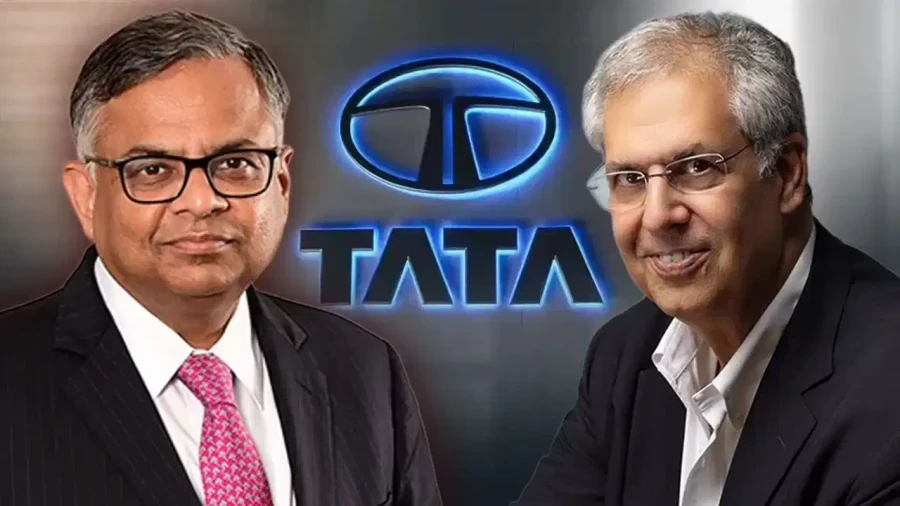
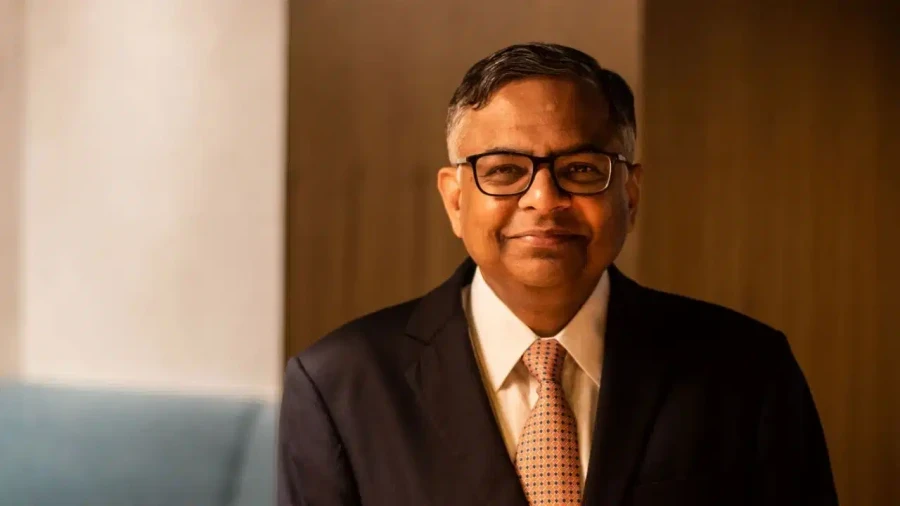
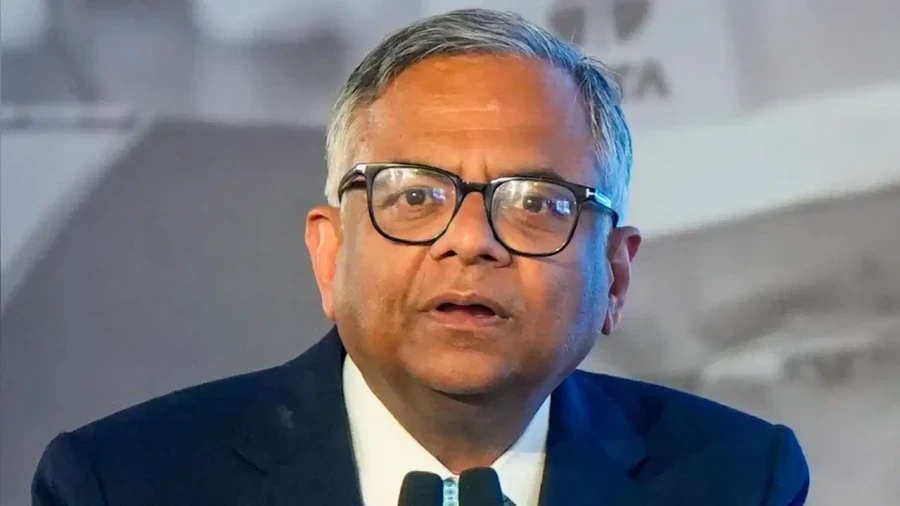
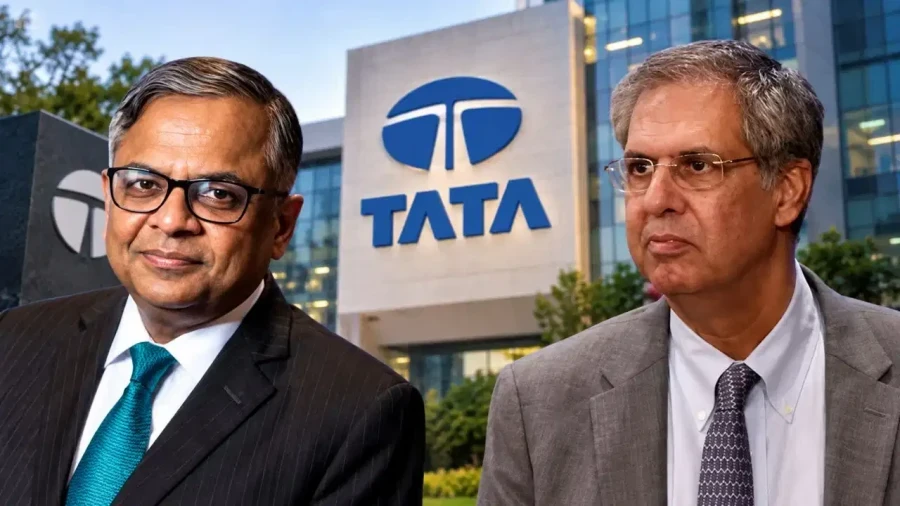
The Tata Group, one of India's most prestigious and oldest business conglomerates, is currently witnessing a significant internal rift that threatens to move from the boardroom to the courtroom. The core of the dispute lies in the reappointment of N. Chandrasekaran as the Chairman of Tata Sons, a move that has been met with stiff opposition from Tata Trusts, the philanthropic arm that holds a majority stake in the holding company. Under the leadership of Noel Tata, the Trusts are reportedly preparing for a comprehensive legal battle to challenge this decision, marking a potential turning point in the century-old relationship between the two entities. The situation has escalated to a point where judicial intervention is being sought to maintain a status quo on the current leadership structure.
The Letter of Contention and Legal Grounds
The conflict reached a boiling point last Friday when Noel Tata addressed a strongly worded letter to the board of Tata Sons. The communication, directed to Suprakash Mukhopadhyay, the Company Secretary of Tata Sons, and marked to all directors, explicitly stated that the proposal for the Chairman's reappointment was null and void ab initio. Noel Tata has demanded that the company issue a public correction regarding the proceedings of the meeting where this decision was made. Currently, Tata Trusts is awaiting an official response from Tata Sons before initiating further legal proceedings. Sources indicate that the Trusts are considering approaching the National Company Law Tribunal (NCLT) or the Bombay High Court to seek a status quo on Chandrasekaran's tenure, basing their claim on the rights of majority shareholders and the interpretation of the company's Articles of Association.
Internal Disagreements Over Legal Expenses
A legal battle of this magnitude involves substantial financial implications. Tata Trusts is expected to cover the legal costs associated with this dispute. While the Trusts have previously passed resolutions for legal expenses and maintain insurance policies to cover such litigation, there is internal friction among the trustees. Reports suggest that two prominent trustees, Vijay Singh and Venu Srinivasan, have not signed off on these proposals. Their stance is that any legal matter involving the Trusts should be evaluated on a case-by-case basis rather than through a blanket approval. This internal disagreement adds another layer of complexity as the Trusts prepare to challenge the board's decision directly.
The Role of RBI and the Listing Mandate
Adding to the legal complexity, the Reserve Bank of India (RBI) has filed a caveat petition in the Bombay High Court, while the central bank's move is a preemptive measure to ensure that it's heard if Tata Trusts seeks any relief against the mandate for Tata Sons to list on the stock exchanges. The RBI insists that its regulatory perspective must be considered, especially regarding the requirement for Tata Sons to transition into a public company. This regulatory pressure is one of the primary drivers behind the board's recent decisions, which Noel Tata has vehemently opposed.
Heated Boardroom Discussions and Expert Opinions
The recent board meeting of Tata Sons was characterized by intense debate. While a majority of the members voted in favor of the stock market listing and the reappointment of N. Chandrasekaran, Noel Tata stood firm in his opposition to both proposals. This disagreement has sparked a debate among legal experts, while ashish Bhakta, Founding Partner of ANB Legal, suggests that the NCLT is the appropriate forum for seeking relief. However, he notes that a writ petition under Article 32 of the Constitution could be considered if there is a violation of fundamental rights under Article 19 or Article 21. On the other hand, Himanshu Vidhani, Founding Partner of Quadra Legal, believes that while the NCLT is the right platform, Tata Sons itself doesn't need to approach any forum unless challenged. He points out that the primary legal hurdle for Tata Sons is the RBI's stance in the Bombay High Court.
Arguments from Legal Heavyweights
The dispute has drawn comments from some of India's most prominent legal minds. Senior Advocate Abhishek Manu Singhvi, representing Tata Trusts, took to social media to emphasize that the fundamental rights of shareholder-owners can't be disregarded. He highlighted the 100 year old relationship between Tata Trusts and Tata Sons, stating it's impossible to imagine them as separate entities. Singhvi argued that ignoring the long-standing rules of consensus and veto power is unjust, reminding that the Supreme Court had upheld the prominence of Tata Trusts in its judgment on the Tata-Mistry dispute. Conversely, Senior Advocate Harish Salve, supporting the Chairman of Tata Sons, maintains that the company's legal position is perfect. Salve argues that the company must comply with RBI regulations, which necessitate becoming a public entity, thereby justifying the board's recent actions.