Iran Protests News / Trump Calls for End to Khamenei's 37-Year Rule in Iran Amidst Violent Protests

US President Donald Trump has called for an end to Ayatollah Ali Khamenei's 37-year rule in Iran, urging for new leadership amidst violent anti-government protests. Trump labeled Khamenei a "sick man" responsible for the nation's "complete destruction." Khamenei, in turn, blamed Trump for the unrest, calling it an "American conspiracy."

Amidst weeks of violent anti-government protests sweeping across Iran, US President Donald Trump has made a significant declaration, calling for an end to Ayatollah Ali Khamenei's 37-year rule, while this bold statement signals a potential shift in international pressure on Iran, as Trump asserted that it's time to seek new leadership within the country. The pronouncement comes at a critical juncture when Iran is grappling with widespread internal unrest and mounting international criticism over its handling of the dissent.

Trump's Stinging Rebuke of Khamenei

In an interview with 'Politico', President Donald Trump launched a scathing attack on Iran's leadership, specifically targeting Ayatollah Ali Khamenei. Trump branded Khamenei a "sick man," accusing Iran's leadership of resorting to violence and oppression to govern the nation. He held Khamenei directly responsible for the country's "complete destruction," implying that his long tenure has led Iran into a state of economic and social disarray. Trump also made a striking claim, stating that Khamenei's "best decision ever" wasn't to hang over 800 people two days prior, highlighting the perceived brutality and repressive nature of the regime. Emphasizing that leadership should be about respect, not fear and death, Trump challenged the legitimacy. Of Khamenei's rule, concluding that under his governance, Iran has become the "worst place to live.


Escalating Tensions and Protest Casualties

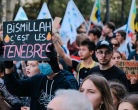
Trump's sharp remarks followed closely on the heels of Khamenei's pledge to crush "traitors" involved in the protests. Khamenei, in turn, squarely blamed Trump for the "loss of life and property" during the anti-government demonstrations in Iran. Addressing his supporters during a religious festival, Khamenei dismissed the protests as an "American conspiracy," claiming they were orchestrated to militarily, politically, and economically dominate Iran. Iranian officials have consistently labeled these demonstrations as a "terrorist" campaign and "riots," seeking to delegitimize the grievances of the protesters. Khamenei asserted that while Iran doesn't seek to lead the country into war, it wouldn't spare "domestic criminals, while " He further warned that "international criminals" would also not escape punishment, a direct message aimed at the United States and its allies. The weeks-long anti-government protests in Iran have plunged the nation into a deep crisis.

While Iranian authorities have branded these demonstrations as "riots" and a. "terrorist" campaign, protesters continue to voice their dissent against the repressive regime. Earlier, Trump had issued a warning that the US would intervene militarily if Iran killed protesters. He also encouraged the demonstrators to seize government institutions, assuring them that "help is coming. " However, this promised assistance didn't materialize, and in the interim, security forces reportedly killed at least 3,428 protesters.

This grim statistic underscores the severe human cost of the crackdown and raises serious. Questions about human rights in Iran, demanding a strong response from the international community. This escalating rhetoric further exacerbates the already strained relations between the United States and Iran. Trump's statements and Khamenei's retaliatory remarks have intensified the war. Of words, raising concerns about increased instability in the Middle East. Within Iran, the future of the anti-government protests remains uncertain, as the regime appears determined to suppress them, while international pressure continues to mount, while it's a pivotal moment for Iran's leadership, where internal dissent and accusations of external interference are creating a complex and dangerous situation.