
- India,
- 06-Aug-2026 05:17 AM IST



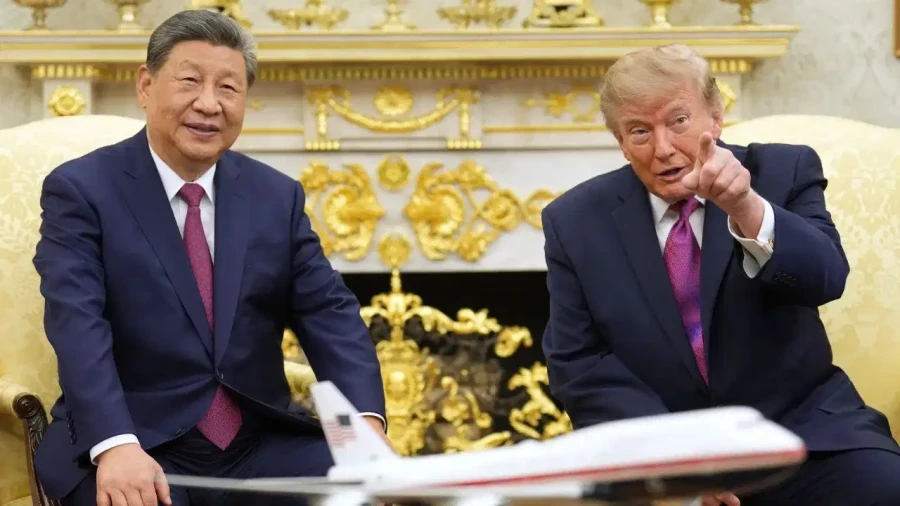
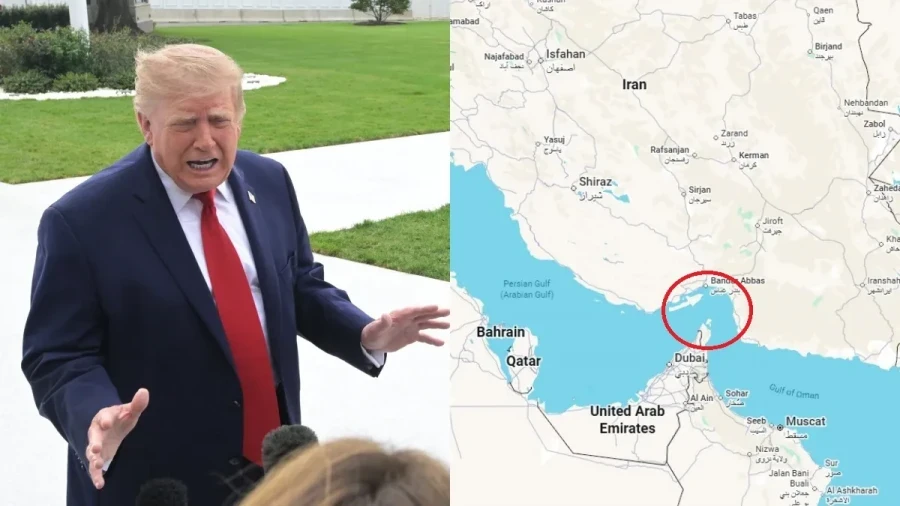
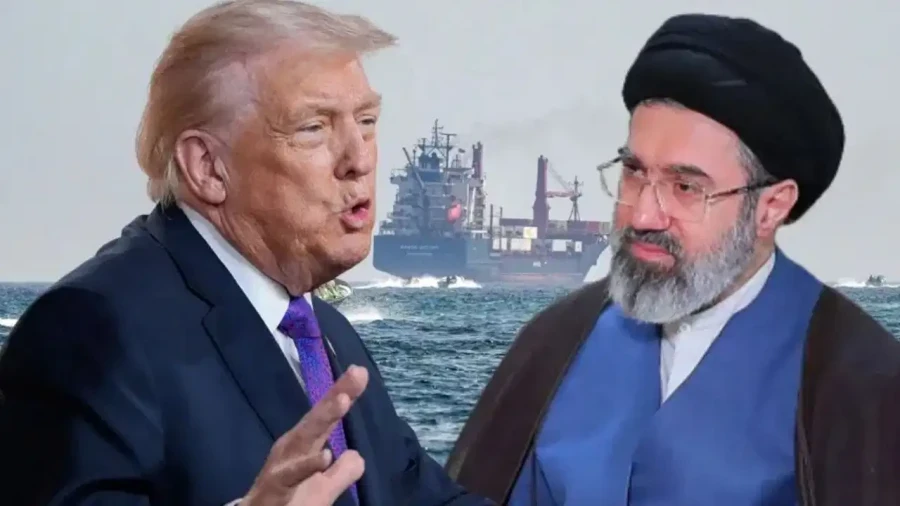
The global energy market and international diplomacy are currently focused on a high-stakes confrontation in the Middle East as the Strait of Hormuz becomes the center of a power struggle between US President Donald Trump and the Iranian leadership. The tension has reached a boiling point with Trump insisting on the unconditional opening of the waterway, while Iran refuses to grant access without the imposition of shipping taxes and specific monitoring rights. This strategic choke point, responsible for the passage of a significant portion of the world's oil supply, has turned into a test of wills between Washington and Tehran.
The 48 Hour Ultimatum and Gunboat Diplomacy
President Donald Trump has intensified the pressure by issuing a clear 48 hour deadline for the reopening of the Strait of Hormuz. According to reports, the US President has warned that if the waterway isn't opened by Thursday morning, Iran will face severe military consequences, described as a heavy price in explosives. This move is being viewed by experts as a classic example of gunboat diplomacy, where military threats are used to achieve diplomatic and economic objectives. Trump recently mentioned that Iran reached out to him via a phone call expressing a desire to talk, a development he found interesting given their previous stance. He suggested that making a deal would be a very smart move for Tehran, though the outcome remains uncertain.
The Iran Oman Bilateral Framework
While the US maintains a hardline stance, a separate diplomatic track is appearing between Iran and Oman. Iranian state media, specifically Press TV, has reported that negotiations between Tehran and Muscat are proceeding in a positive atmosphere. The goal of these talks is to establish a mechanism for shipping transport within the strait. Crucially, Iran has emphasized that this is a bilateral process between two neighboring nations and that the United States has no formal role in these specific negotiations. Analysts believe that Trump is using his threats to maintain a sense of involvement in this deal, aiming to portray any Iranian concession as a result of American pressure rather than regional cooperation.
Technical Details of the Proposed 60 Day Arrangement
A report by Axios has shed light on the technical aspects of the proposed shipping mechanism. The plan suggests a 60 day temporary arrangement to manage the flow of vessels. Under this proposal, ships entering the Strait of Hormuz (inbound) would use the Iranian shipping routes, while ships exiting the strait (outbound) would pass through lanes closer to Oman. While Iran would have full control over the inbound lanes, it's also demanding the right to monitor and, if necessary, intervene in the outbound lanes. This demand for monitoring rights over Omani-adjacent lanes is a major point of contention.
The Geography of the Choke Point
The complexity of the monitoring demand lies in the unique geography of the Strait of Hormuz. At its narrowest point, the strait is approximately 39 km wide, situated between Iran's Larak Island and Oman's Jazirat Salama Island. 5 km of territorial waters from their respective shores. Due to the depth requirements for heavy tankers, ships can't sail too close to the islands, necessitating a buffer zone of 5-6 km. 7 km in width. Because the outbound lane for ships exiting the strait moves toward the northeast after passing Jazirat Salama, the vessels are forced to briefly enter Iranian territorial waters. Iran is using this geographical reality to justify its demand for monitoring rights over the outbound traffic.
Conflicting Conditions and Diplomatic Deadlock
The standoff is further complicated by the conflicting sets of conditions laid out by both sides. Trump's envoy, Steve Witkoff, has been actively engaged in discussions with Iranian Foreign Minister Abbas Araghchi and Omani Foreign Minister Badr al-Busaidi. The US is demanding a permanent ceasefire and the initiation of new nuclear talks as a prerequisite for easing tensions. Conversely, Iran is demanding the immediate lifting of the US naval blockade and the removal of sanctions on its oil exports. The most significant hurdle remains the issue of shipping fees. Iran is adamant about collecting taxes from vessels passing through the strait, a move that the US views as unacceptable. If Trump allows Iran to collect these fees, it would be seen as a significant diplomatic defeat, whereas Iran views the control of the strait as its ultimate use against global powers.