
- India,
- 10-Jun-2026 08:03 AM IST



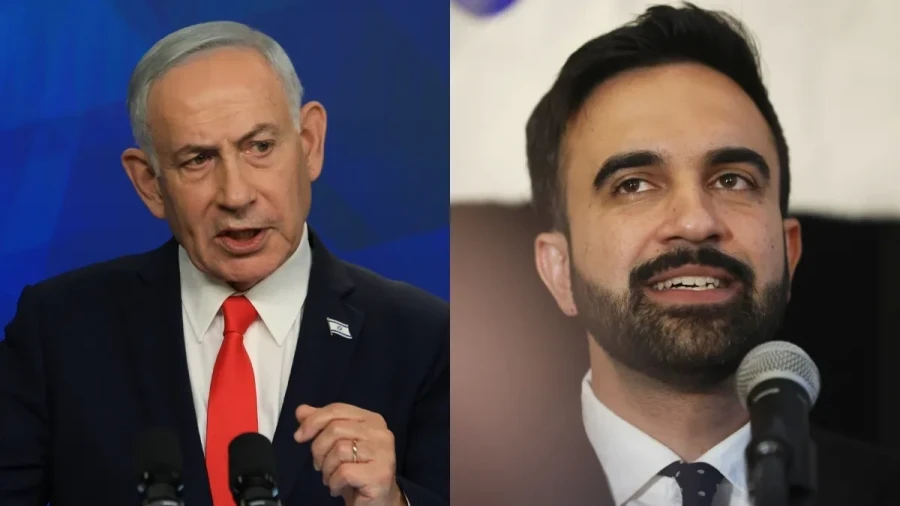
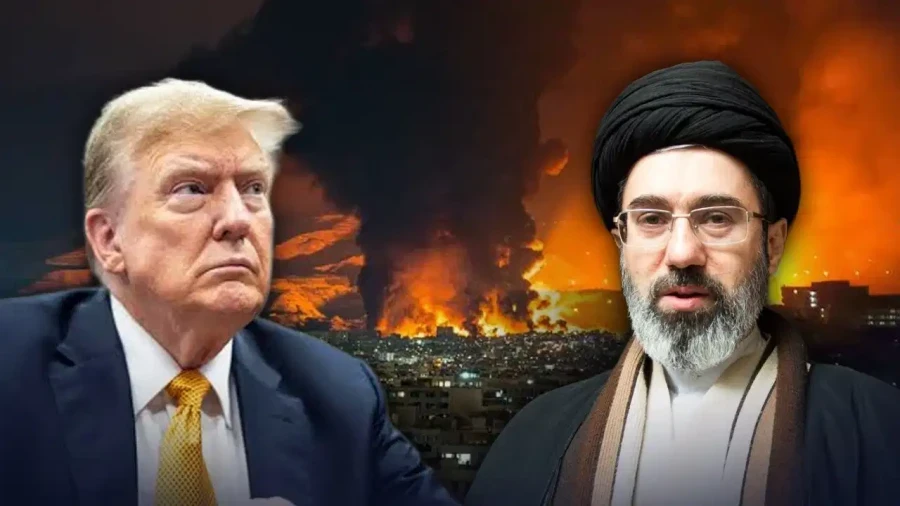
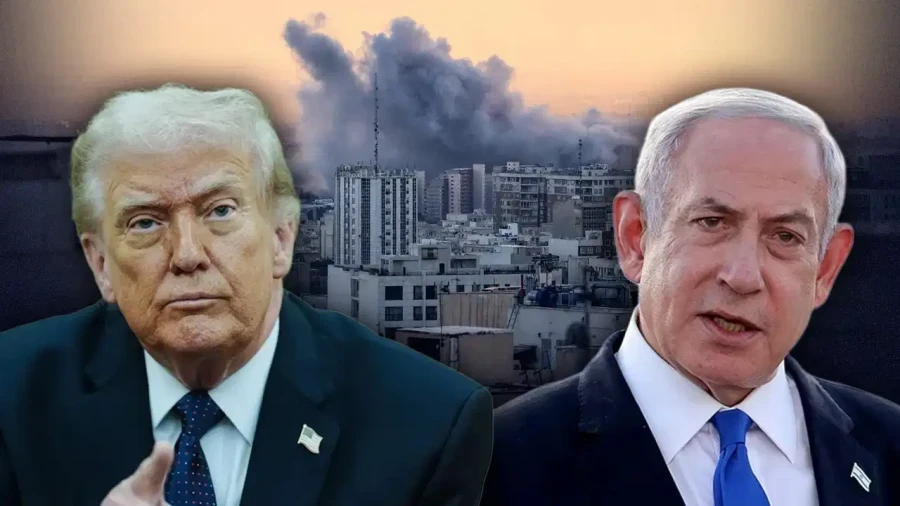
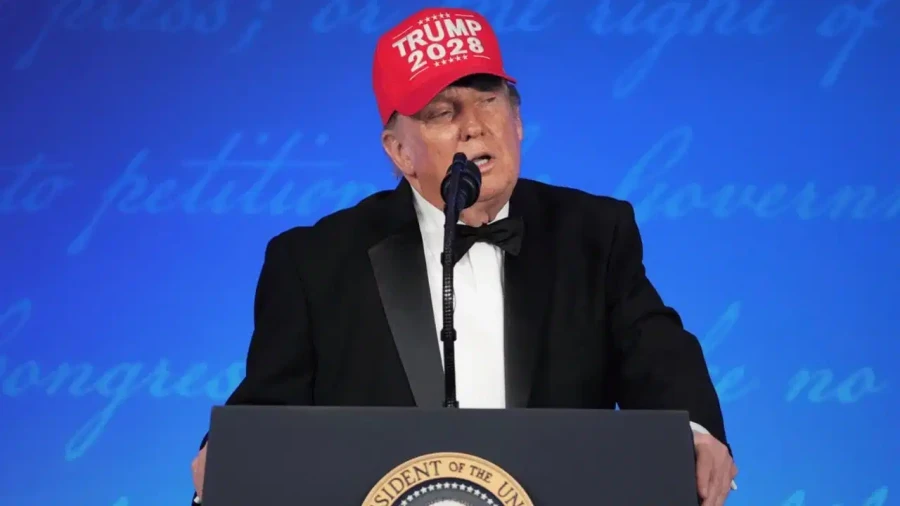
The recent military exchanges between Iran and Israel have Notably escalated tensions across the Middle East, sparking global concern. While this mini war has currently subsided, it has exposed a deep-seated conflict of interest between US President Donald Trump and Israeli Prime Minister Benjamin Netanyahu. The friction has reached a point where Trump explicitly warned Netanyahu that Israel risks standing alone in this conflict if it persists with retaliatory strikes against Iran. This warning comes at a critical juncture when the regional stability of the Middle East hangs in the balance.
The Tense Dialogue Between Trump and Netanyahu
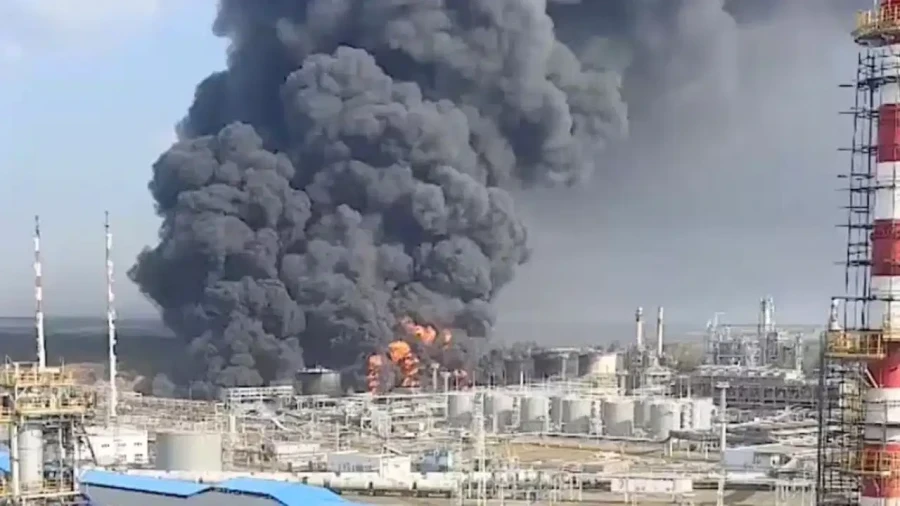
The friction began on the night of June 7 when Iran launched an attack on Israel. Immediately following the incident, President Trump held a telephone conversation with Netanyahu, advising him against any retaliatory measures. Trump's rationale was centered on a potential major deal he intends to strike with Iran in the coming days, which he believes would render the current military exchanges irrelevant. He further stated that if a deal isn't reached, the United States is prepared for war and would take command of future military operations. However, Netanyahu rejected this advice, arguing that Israeli silence would embolden Iran and send a message of weakness. Consequently, Netanyahu initiated strikes against Iranian targets.
The situation intensified on June 8 when Trump called Netanyahu again. " Trump made it clear that if Israel's actions lead to a full-scale war, it would have to face Iran without American assistance, while when Netanyahu questioned if Iran would also stop its attacks if Israel ceased fire, Trump responded affirmatively. While Netanyahu has temporarily halted strikes, he has not committed to a permanent cessation of military action.
Israel's Stance and the Strategy of Deterrence
Prime Minister Netanyahu has maintained that Israel possesses the absolute right to self-defense. He stated that while Israel isn't currently firing because Tehran has stopped its attacks, any further mistake by Iran would be met with a massive response. Reports suggest that Netanyahu may still be following a strategy similar to the one used in Lebanon, where air strikes continued after a ceasefire to maintain pressure or provoke a response. This approach has created a complex diplomatic challenge for the Trump administration, which appears to be seeking an exit strategy from the conflict.
How the United States Protects Israel
The security of Israel is heavily dependent on a sophisticated three-layer defense system facilitated by the United States. This support goes beyond systems like the Iron Dome, Arrow, and THAAD. The first layer involves tracking and early warning. When a missile is launched from Iran, US radar systems stationed in Gulf countries immediately activate. They track the thermal signatures of the missiles and relay data to US satellites, which then transmit the information to Israel's command center. This provides Israel with a critical 15 minute warning before an impact.
The second layer of defense involves interception in neutral airspace. US fighter jets, such as the F-16 and F-15, take off from bases in Iraq and Jordan to destroy suicide drones and cruise missiles mid-air. Also, ground-based Patriot systems target missiles passing through their respective airspaces. The third layer occurs closer to Israel, where US Navy destroyers stationed in the Mediterranean and Red Seas use their interceptor missiles to stop Iranian ballistic missiles. Any threats that bypass these three layers are then handled by Israel's own domestic defense systems. Experts suggest that the US effectively neutralizes nearly half of the incoming threats, making its support indispensable for Israel's survival against a large-scale Iranian assault.
New Challenges: Houthi Attacks and Future Outlook
Adding to the complexity, Iran-backed Houthi rebels from Yemen have launched drone and missile attacks on southern Israel within the last 24 hours. Their primary target has been the port city of Eilat. While these attacks have not yet caused significant damage, they're placing immense pressure on Israel's stockpile of interceptor missiles. The ongoing situation has placed both Trump and Netanyahu in a difficult position. While Israel remains committed to retaliating against Iran for its security, the United States is looking to distance itself based on its own strategic interests. The events of the coming weeks will determine whether the map of the Middle East undergoes a permanent transformation.