
- India,
- 27-Jul-2026 08:27 AM IST



The political and social landscape is witnessing the emergence of a new movement as the E20 Janta Party takes a firm stand against the mandatory use of ethanol-blended fuel. Following the footsteps of the Cockroach Janta Party (CJP), which gained significant attention during the NEET paper leak controversy leading to the resignation of Education Minister Dharmendra Pradhan, this new group is now focusing its efforts on the petroleum sector, while the E20 Janta Party is primarily demanding that consumers be provided with an option to purchase 100 percent pure petrol, alongside calling for the resignation of Union Road Transport and Highways Minister Nitin Gadkari.
The Inspiration and Formation of E20 Janta Party
The movement draws its inspiration from the recent protests led by the Cockroach Janta Party regarding the NEET paper leak case. The success of that movement, which resulted in high-level accountability, has encouraged the formation of the E20 Janta Party. This new entity has quickly gained traction, amassing over 25000 followers on the social media platform X within just a few hours of its launch on Sunday. The rapid growth of its online presence indicates a significant level of public concern regarding the current fuel policies in the country and the impact of ethanol blending on the common man's vehicle.
Demands and Planned Protests
The E20 Janta Party has articulated a clear set of demands aimed at protecting the interests of vehicle owners and transport operators. One of the most significant developments is the support from the transport sector. The Delhi Taxi and Tourist Association has officially announced its participation in this campaign. They've scheduled a march towards the Parliament on 4 August to voice their grievances against the E20 petrol policy. The association and the party aren't just seeking policy changes but are also demanding the resignation of Minister Nitin Gadkari, holding him responsible for the current situation and the alleged negative impact on the transport industry.
Impact on Vehicles and Mileage Concerns
The core of the protest lies in the technical and financial impact of ethanol-blended petrol on vehicles. According to the association, the policy of mixing ethanol has led to a noticeable decrease in the mileage of petrol-run vehicles. Also, there are serious concerns regarding the long-term health of vehicle engines, while it has been alleged that the maintenance and repair costs for vehicles have increased Importantly since the introduction of E20 fuel. This issue is particularly acute for older vehicles, where the ethanol blend is reportedly causing engine damage and performance degradation, leading to a higher financial burden on owners.
Clarification on Objectives
The E20 Janta Party has clarified that its movement isn't against the existence of ethanol-blended petrol itself, nor are they seeking any form of government subsidy or free fuel. Their primary objective is the provision of choice. They believe that every consumer should have the right to choose between the standard ethanol-blended fuel and 100 percent pure petrol. The party emphasizes that they don't want to stop the sale of ethanol-blended petrol but want a pure petrol option to be available at all fuel stations for those who prefer it for their vehicle's longevity and performance.
Transparency and Independent Research
In addition to the demand for pure petrol, the party is calling for transparent fuel labeling. This would ensure that consumers are fully aware of exactly what they're purchasing at the pump. They're also demanding the publication of comprehensive data regarding the costs, benefits, and overall impact of various fuel blends. On top of that, the E20 Janta Party is advocating for independent studies to be conducted on the effects of ethanol blends on mileage, engine performance, emissions, and maintenance costs, ensuring that the public has access to unbiased information regarding the fuel they use.
Current Market Scenario and Government Response
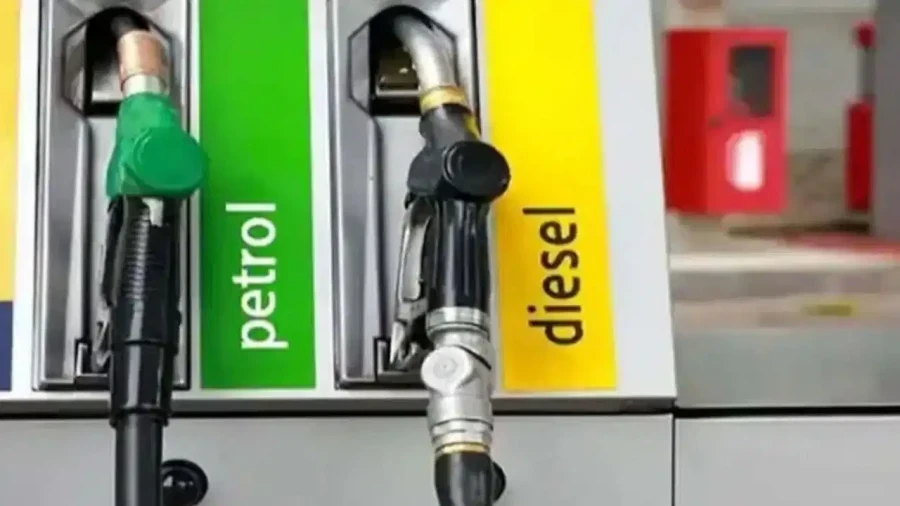
While the demand for pure petrol is growing, it's important to note that ethanol-free 100-octane premium petrol is already available in the Indian market. However, its availability is limited to specific fuel stations and it comes at a Importantly higher price point of 169 rupees per liter. 12 rupees per liter in Delhi. Addressing these concerns in Parliament, Minister of State for Petroleum Suresh Gopi stated last week that the government has not received any widespread or confirmed complaints regarding the impact of ethanol-blended petrol on vehicle performance, while this statement suggests a gap between the government's data and the experiences reported by the transport associations and the E20 Janta Party.