
- India,
- 25-Oct-2026 12:18 PM IST



Tensions between the Houthi rebels of Yemen and the kingdom of Saudi Arabia have escalated dramatically, plunging the region into a state of high alert and diplomatic turmoil. On Saturday, Saudi authorities officially declared that their advanced air defense systems successfully intercepted and destroyed two incoming ballistic missiles launched by the Houthi forces in mid-air. According to the detailed statements released by Saudi officials, the primary and intended targets of these destructive missiles were the highly revered Islamic holy cities of Makka and Madina regions. This alarming accusation immediately sent shockwaves across the international community and Middle Eastern politics, as targeting any religious sanctuary or its immediate surroundings is considered a severe violation of international norms and humanitarian principles.
However, strongly refuting these serious and explosive allegations made by Saudi Arabia, the Houthi rebels flatly denied ever attempting to launch any attacks on the holy cities of Makka and Madina. The Houthis dismissed the Saudi claims as a massive and baseless lie fabricated to gain sympathy, maintaining that they would never target such sacred religious locations. In sharp contrast, Houthi military spokesperson Yahya Saree issued an official statement claiming that their organization successfully executed major and precise military operations on Saturday, targeting vital oil installations and major international airports within Saudi Arabia. This direct contradiction between the two warring factions has initiated a fresh cycle of fierce claims and counterclaims, leaving the ground situation extremely volatile and uncertain.
Saudi Civil Defense Response And Debris Scattering
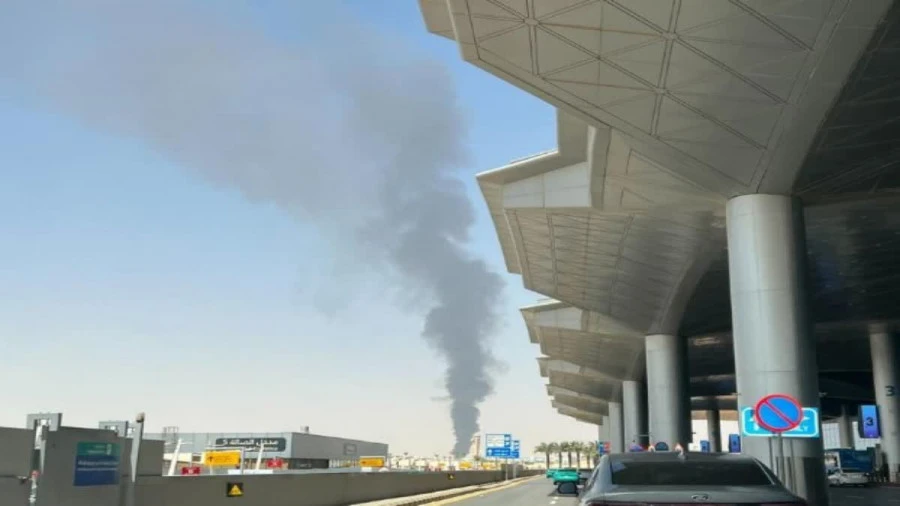
According to comprehensive information provided by the Saudi Civil Defense, after the incoming missiles were successfully intercepted in the upper atmosphere, their dangerous remnants and debris rained down across multiple major cities and strategic locations within the country. These affected areas notably included densely populated and economically vital cities such as Jeddah, Taif, and Rabigh. Also, fragmented pieces and burning remnants of the missile were recovered from Wadi Al-Mughamas, a location situated just outside the boundaries of Makka. Saudi officials informed the media that disaster management and rapid response teams were immediately deployed on a war footing to effectively handle the incidents of debris falling across the Makka and Madina regions. These teams worked swiftly to clear the debris and ensure that the civilian population didn't suffer any major casualties or physical harm, although an atmosphere of fear and panic gripped the entire region.
Houthi Claims Of Strikes On Oil Facilities And Airports
On the other side of the conflict, Houthi military spokesperson Yahya Saree boasted about their military achievements, claiming that their fighters specifically targeted the backbone of the Saudi economy, namely major oil installations and large airports, on Saturday. According to the detailed breakdown provided by the spokesperson, the prime targets of these coordinated strikes included the critical Saudi Aramco facility located in Yanbu, the Rabigh oil refinery, and the King Khalid International Airport situated in the capital city of Riyadh. Also, the Houthis asserted that their drone and missile campaigns firmly included King Fahd International Airport in Dammam, an airport in Najran, and the strategic airbase in Khamis Mushait, while according to their military representative, major pumping stations responsible for transporting crude oil and the expansive East-West oil pipeline were also squarely in their crosshairs in an effort to cripple the Saudi economy. Nevertheless, Saudi authorities have not immediately confirmed any of these specific attacks, and it remains entirely unclear whether these missiles or drones actually reached their designated targets or were successfully intercepted and neutralized by security forces en route.
Brutal Missile Attacks In Aden, Yemen
Beyond the borders of the Saudi mainland, relentless acts of violence and warfare continue to unfold within Yemen itself, while the Ministry of Interior of the internationally recognized government of Yemen released an official statement detailing that Houthi rebels fired three successive ballistic missiles targeting crucial Coast Guard installations in the southern port city of Aden. In these brutal attacks, two of the missiles struck directly into the main Coast Guard headquarters, while the third impacted a residential or official building located in the Tawahi district, causing widespread chaos and disruption. Concurrently, Houthi rebels openly claimed responsibility for launching attacks on large gatherings of Saudi-backed troops and the naval base situated within Aden, while these continuous assaults pose an immense threat to Yemen's internal security and political stability, causing severe hardships for the ordinary civilian population.
High Alert In Saudi Arabia And Flight Cancellations
In response to these rapid-fire attacks and potential aerial threats, the Saudi Civil Defense promptly issued a grave warning regarding the imminent danger of airstrikes in sensitive cities such as the Makka province, Jeddah, Taif, and Yanbu. Fortunately, within approximately ten minutes of this warning being issued, authorities released a reassuring announcement declaring that the aerial threat had successfully passed and the situation was fully under control. Despite this, citizens and expatriates residing in the country were strictly advised to comply fully with all security directives issued by the government, avoid visiting crowded public places, and refrain from recording or sharing any videos or photographs of these incidents on social media platforms. To handle emergency situations effectively, the public was strongly advised to dial the emergency hotline 911 for immediate assistance.
This entire chain of events and the escalating aerial security threats have severely impacted international aviation services as well. Major commercial airlines, including Air India and Air India Express, prioritizing passenger safety above all else, have completely cancelled all scheduled flights operating to Riyadh and Dammam through November 7, 2026. Plus, flights scheduled to operate to Jeddah have also been suspended until October 31. Other prominent Indian budget airlines, such as Indigo and Akasa Air, have also cancelled their regular flight operations to various cities across Saudi Arabia in light of the prevailing security conditions and aviation risks, causing massive inconvenience to stranded travelers worldwide.