
- India,
- 24-Oct-2026 08:58 AM IST



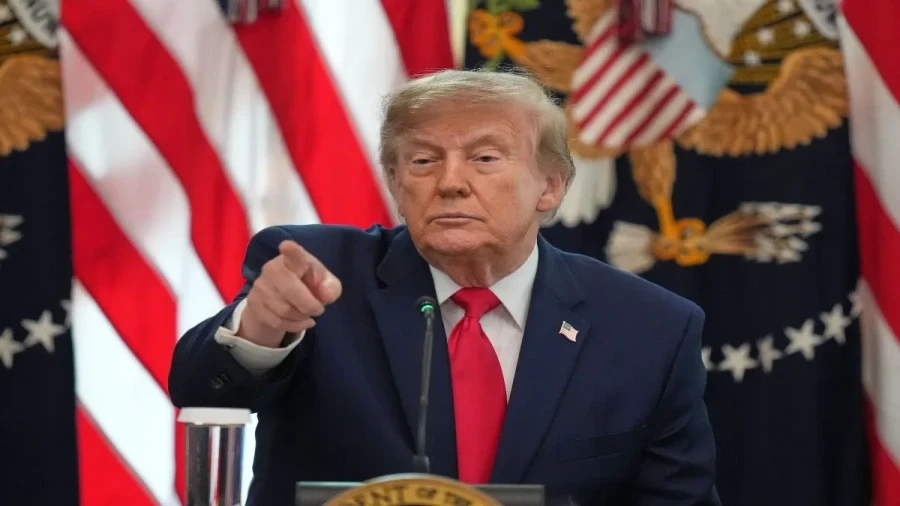
In a major escalation of geopolitical tensions, US President Donald Trump has once again signaled new military action against Iran, warning of potential fresh strikes. The latest development has brought international focus back to the volatile Middle East region. President Trump stated that Washington could launch another military operation if Tehran remains unwilling to reach any kind of agreement. This aggressive posturing comes just hours after a US envoy suggested that major attacks on Iran could materialize as early as this upcoming weekend, heightening fears of a full-scale regional conflict.
The Threat Issued During a Florida Rally
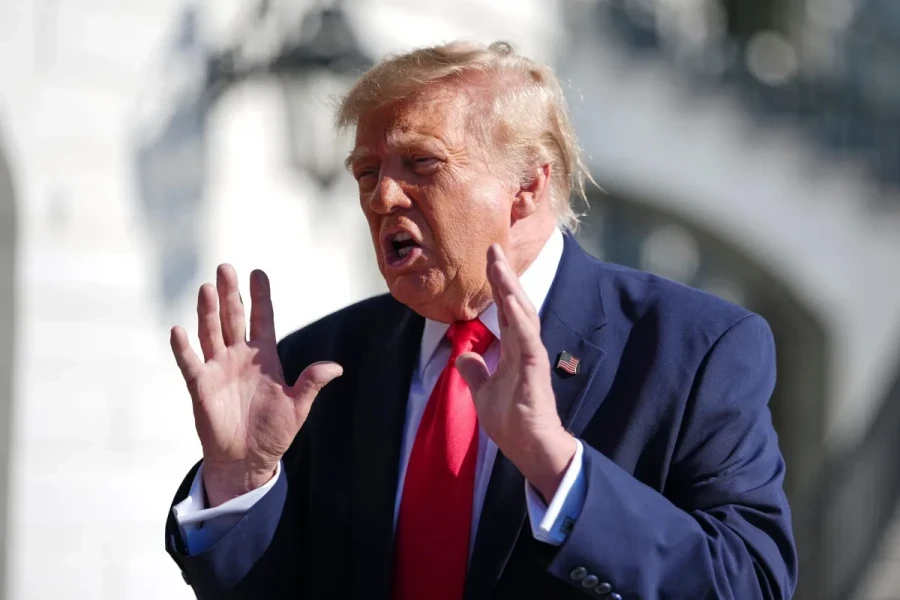
During a public rally held in Florida on Friday, President Donald Trump made striking remarks regarding potential military maneuvers. He stated, We can do another Epic Fury, directly referencing the specific codename previously utilized by the United States military for combat operations directed against Iran. This ominous warning has triggered immediate concern across international diplomatic circles. Analysts point out that such rhetoric severely diminishes prospects for diplomatic resolution and raises the specter of imminent military escalation. The timing of this threat closely aligns with reports from American diplomatic channels regarding preparations for possible weekend strikes.
Iran Strategic Counterplan and Warnings
In swift response to President Trump aggressive threats, senior Iranian officials have delivered a stern and uncompromising counter-warning. Tehran has meticulously prepared a strategic response to safeguard its interests and deter further aggression. Iranian authorities have declared that if the United States and Israel dare to launch another military assault, Iran will target and sever undersea internet cables traversing the Persian Gulf. Yadollah Javani, the deputy head of political affairs for the Iranian Revolutionary Guard Corps, explicitly outlined this plan. He stated that any attack on Iranian vital infrastructure would prompt Iran to cut seven major internet cables located beneath the Strait of Hormuz, while javani emphasized that no location, ranging from deep-sea internet infrastructure to strategic military installations, would remain secure, boasting that Iran possesses both full access to these submarine cables and the capability to completely destroy them.
Severe Consequences of Submarine Internet Cable Disruptions
Should Iran execute its threat to sever critical undersea internet cables, the global ramifications would be catastrophic. According to telecommunications experts, submarine internet cables carry approximately ninety-nine percent of the world international data traffic. The simultaneous severance of multiple cable lines would drastically reduce internet speeds globally and severely cripple international financial transactions, cross-border e-commerce operations, and essential cloud-computing services. On top of that, conducting repairs on damaged cables amidst an active military conflict would prove extraordinarily difficult due to skyrocketing maritime insurance costs and inevitable delays in securing authorized access to volatile war zones.
Shifting Stance and Statements From President Trump
Meanwhile, President Donald Trump stance on the ongoing crisis has exhibited notable fluctuations. Ironically, on the same Friday he issued fresh strike threats, Trump also remarked that the United States could bring the conflict to a swift conclusion. He openly deliberated whether Washington should terminate the war immediately or allow it to gradually wind down of its own accord. In his remarks, Trump asserted that while America possesses the inherent capability to end the hostilities, the strategic question remains whether to force an immediate stop or let the situation taper off naturally. On top of that, he maintained that the United States is successfully achieving all its primary objectives, pointing out that national oil shipments continue to flow seamlessly through the Strait of Hormuz without disruption.