

- India,
- 28-Oct-2025 08:50 AM IST


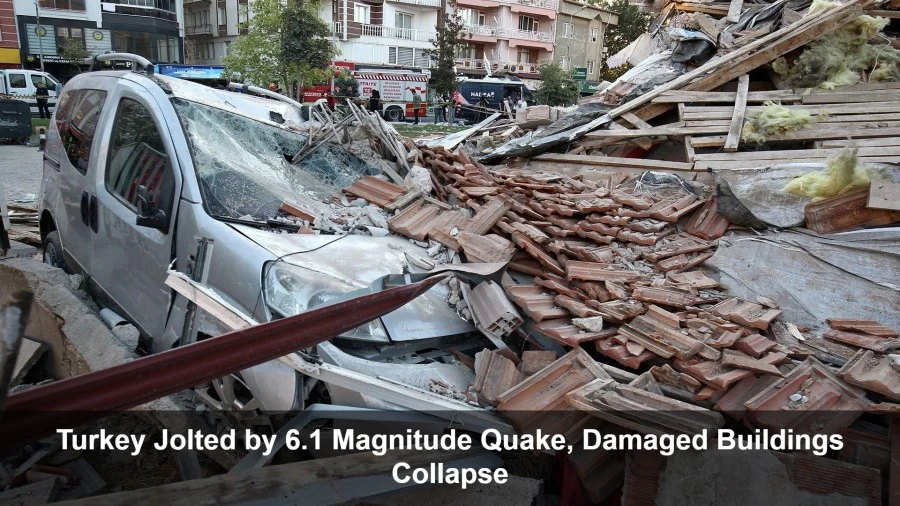
An earthquake measuring 6. 1 on the Richter scale rattled Turkey, particularly impacting the western province of Balıkesir. The tremors, originating from the Sındırgı district, caused at least three buildings that had been previously damaged in earlier seismic events to collapse. While the immediate aftermath didn't bring reports of new casualties or significant fresh structural damage, the incident has reignited widespread fear and anxiety among the populace, still reeling from the devastating earthquake of 2023.
Echoes of the 2023 Catastrophe
The memory of the catastrophic 7. 8 magnitude earthquake that struck Turkey in February 2023 remains fresh and painful. That seismic event claimed the lives of over 53,000 people across. 11 southern and southeastern provinces, destroying or severely damaging millions of buildings. Its ripple effect extended into northern Syria, where an additional 6,000 lives were lost. The sheer scale of that disaster has left an indelible mark on the nation, making every subsequent tremor a stark reminder of its vulnerability. The current 6, while 1 magnitude quake, though less intense, brings back those harrowing memories, prompting many residents to rush out of their homes in panic.
Turkey's Seismic Vulnerability
Turkey is situated atop major fault lines, making it one of the most earthquake-prone countries in the world. This geological reality means that seismic activity is a frequent occurrence, ranging from minor tremors to powerful, destructive quakes. The recent 6. 1 magnitude earthquake is part of an ongoing pattern. Just last August, a similar 6. 1 magnitude quake struck the same Sındırgı district in Balıkesir, resulting in one fatality and dozens of injuries. Since then, the region has experienced a continuous series of smaller aftershocks, keeping residents on edge and highlighting the persistent seismic threat.
Widespread Impact and Public Response
The Monday earthquake wasn't confined to Balıkesir alone, while its strong vibrations were felt across several other populous provinces, including Istanbul, Bursa, Manisa, and Izmir, causing widespread alarm. Preliminary reports from the Disaster and Emergency Management Agency (AFAD) indicated no immediate new damage beyond the collapse of already weakened structures, which is a relief but does little to assuage public fears. Turkish President Recep Tayyip Erdoğan had previously issued statements praying for the safety and well-being of the nation's citizens in response to earlier tremors, reflecting the deep concern at the highest levels of government for the persistent seismic threat facing the country.
Enhancing Emergency Response and Building Resilience
Following the unprecedented destruction of the 2023 earthquake, Turkey has intensified its efforts to enhance emergency response mechanisms and improve urban resilience. Agencies like AFAD are continuously working to strengthen early warning systems, streamline rescue operations, and educate the public on earthquake preparedness. There has been renewed emphasis on enforcing stricter building codes and reconstructing damaged areas with earthquake-resistant designs. While these measures are crucial, the repeated seismic events underscore the long and. Challenging road ahead for a nation constantly living under the shadow of geological instability. The ongoing tremors serve as a powerful reminder that vigilance and preparedness must remain paramount for all citizens.
