
- India,
- 10-Jun-2026 09:06 PM IST



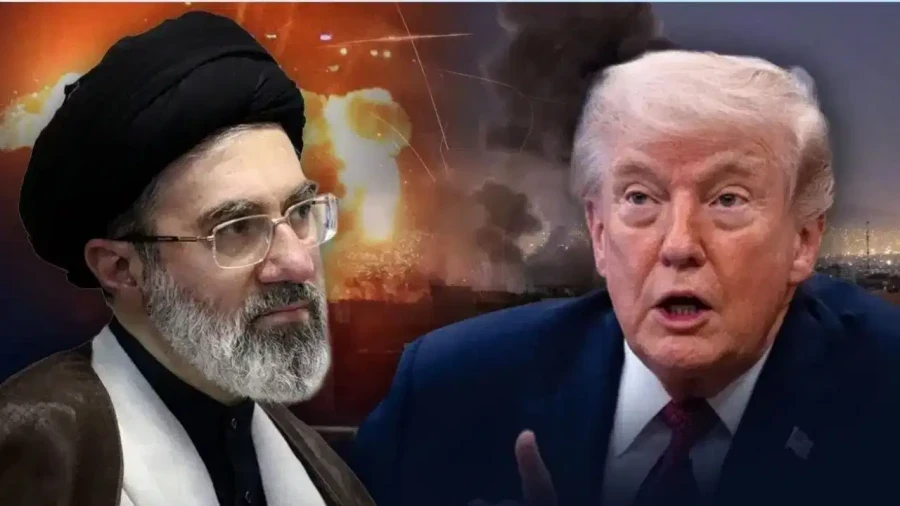
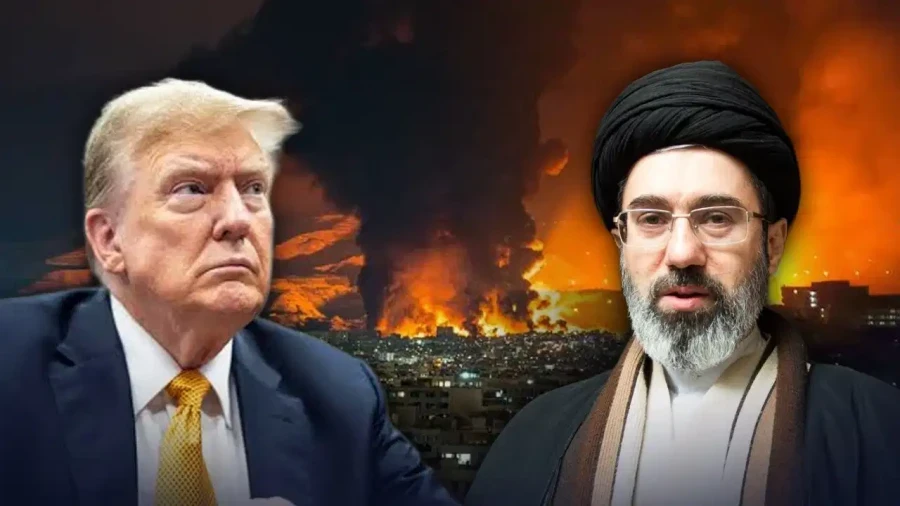
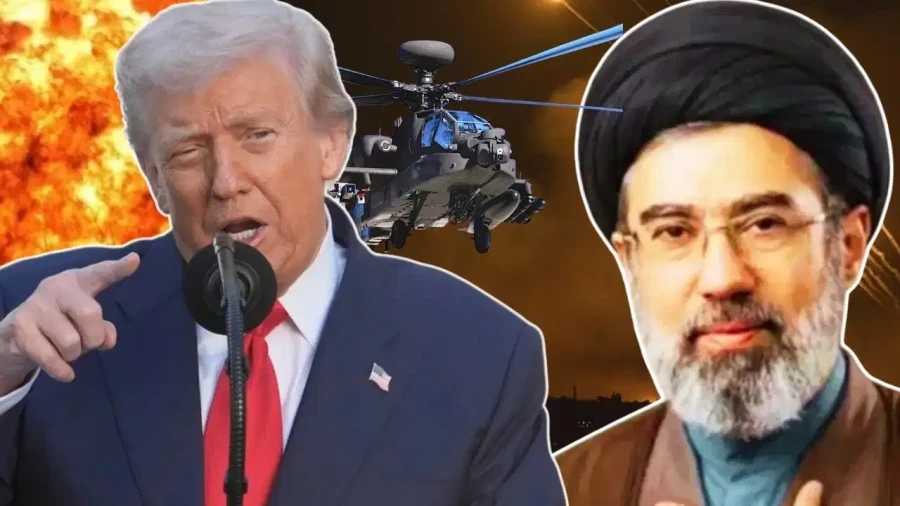
The geopolitical landscape of the Middle East has taken a volatile turn as the long-standing friction between the United States and Iran transitions into a direct military confrontation. Following a series of American bombardments, Iran has officially claimed to have shot down a sophisticated US Apache helicopter and an MQ-9 Reaper drone. This escalation marks a significant departure from the recent rhetoric of peace, as Iran launched retaliatory strikes against 21 American military installations across the region. The sudden shift in dynamics has effectively shattered the facade of diplomatic progress that President Donald Trump had previously hinted at, replacing it with a cycle of aggressive military maneuvers and counter-strikes.
The Downfall of Advanced US Aviation
The conflict reached a new level of intensity when the Islamic Revolutionary Guard Corps (IRGC) demonstrated its military capabilities by targeting high-value American assets. According to Iranian reports, the destruction of an advanced Apache helicopter served as the catalyst for this latest round of hostilities. This was followed by the downing of an MQ-9 Reaper drone, a cornerstone of US surveillance and strike operations. Iran has released video footage purportedly showing the moment the MQ-9 drone was intercepted and destroyed. The IRGC claims that this operation resulted in the destruction of 20 percent of the MQ-9 fleet operating over the Bushehr province in southern Iran. These losses represent a significant blow to US aerial dominance in the area and signal Iran's readiness to engage in high-stakes military defense.
Retaliation Across Three Nations
The Iranian response wasn't limited to aerial defense. In a massive wave of retaliation that spanned across three different nations, Iran targeted a total of 21 American military installations. This move was a direct answer to the US bombing of Iranian air defense and radar sites in the southern coastal regions. The US had previously claimed to have destroyed several Iranian radar and air defense systems near the Strait of Hormuz. However, within hours, Iran struck back, targeting the US 5th Fleet headquarters in Bahrain. Multiple missiles were fired at the US Navy base in Bahrain, leading to massive explosions and the issuance of air raid alerts. The IRGC released videos of these missile launches, showcasing their lethal arsenal and their intent to challenge US presence in West Asia.
Trump's Shifting Stance and Diplomatic Confusion
President Donald Trump's approach to the Iran crisis has been characterized by significant inconsistency. Initially, Trump utilized social media to suggest that peace talks were underway and that a deal with Iranian leaders was imminent. He claimed that Iran was ready to accept several US conditions. However, these claims were never officially supported by Iranian authorities, who remained steadfast in their own demands. Trump's confusion is evident in his fluctuating directives; after advising Israeli Prime Minister Netanyahu against further strikes, Trump himself ordered the bombing of Iranian targets, while he has recently declared a goal of total victory over Iran within 2 weeks and has threatened to order strikes on Iranian power plants. Reports indicate that Trump has made 37 false claims regarding the imminent end of the war since the conflict began.
Regional Implications and the Israeli Factor
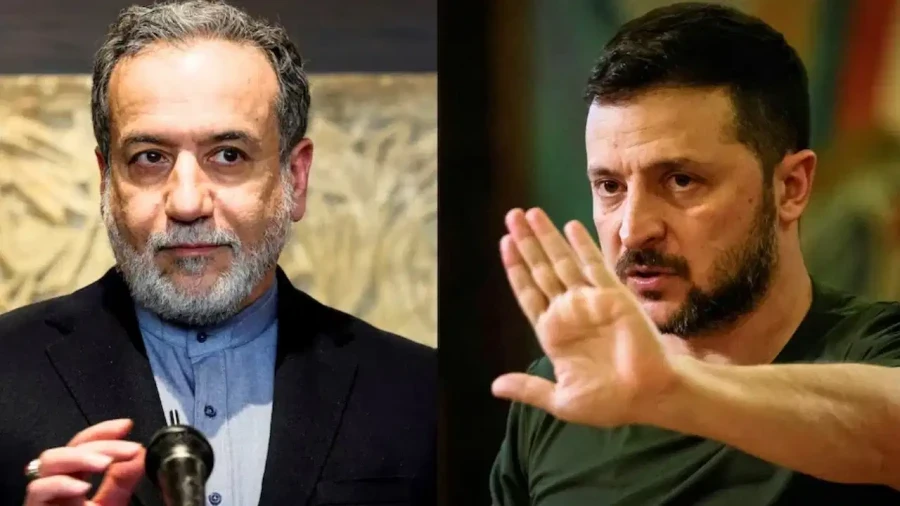
The current flare-up is deeply intertwined with the ongoing conflict involving Israel, while the cycle of violence intensified following a major Israeli airstrike on June 9 in the historic city of Tyre, southern Lebanon, which resulted in at least 8 deaths. In response, Iran targeted Israel, leading to further IDF bombardments of Hezbollah positions in Lebanon, while iranian Foreign Minister Araghchi has been active on the diplomatic front, holding phone conversations with the foreign ministers of Saudi Arabia and Turkey to discuss the regional situation following the US attacks on southern Iran. Araghchi condemned the US military actions as a violation of Iran's sovereignty and territorial integrity, asserting that Iran has a fundamental right to self-defense, while as both sides refuse to back down, the prospect of a ceasefire remains dim, with the conflict threatening to engulf the entire region.