
- India,
- 27-Jul-2026 08:43 PM IST



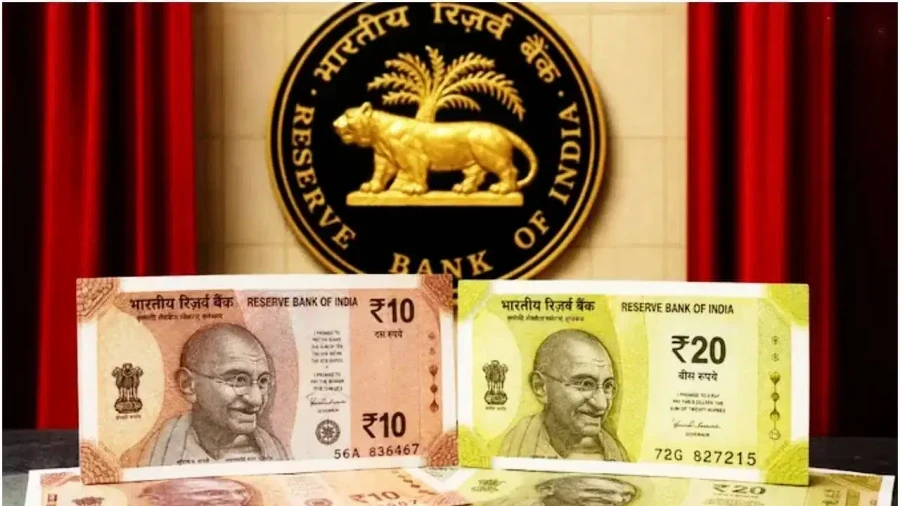
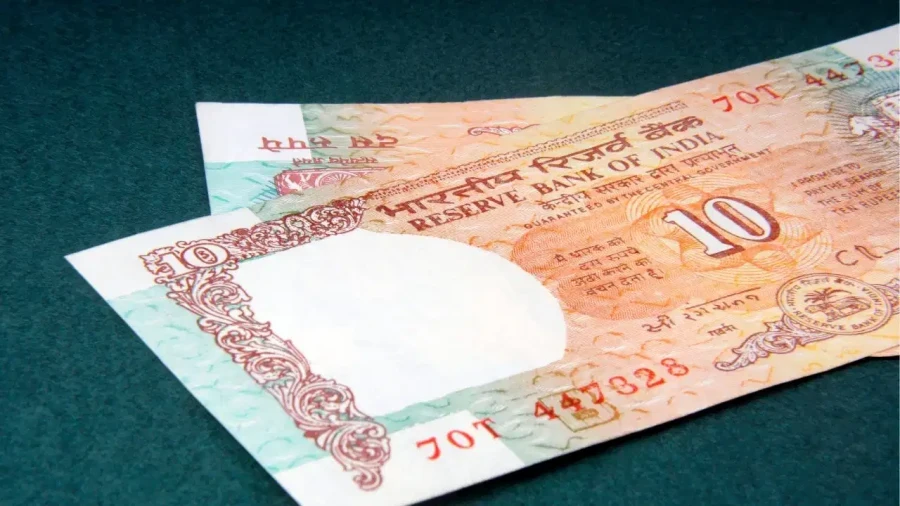
The wait for more durable currency is nearing its end as the Central Government has officially granted approval to the Reserve Bank of India (RBI) for the introduction of polymer-based banknotes. Specifically, the government has cleared the proposal to issue 10 and 20 rupee polymer notes on a trial basis. This significant move marks a shift towards modernizing the Indian currency system by testing the feasibility of plastic notes in the country's diverse environment. Initially, the RBI will conduct a large-scale field trial involving 100 crore notes of each denomination. If these trials prove successful in terms of durability and public acceptance, the RBI intends to transition these notes into regular circulation across the nation.
Parliamentary Confirmation and Legal Framework
The details regarding this major development were shared by the Minister of State for Finance, Pankaj Chaudhary, during a session in Parliament on Monday. In a written response to a query in the Lok Sabha, the minister confirmed that the Central Government has accepted the recommendation made by the RBI. He explained that the proposal was initiated by the Central Board of Directors of the Reserve Bank of India. This recommendation was submitted to the government under the provisions of Section 25 of the Reserve Bank of India Act, 1934, which governs the design, form, and material of banknotes in India. The proposal specifically requested permission to issue 100 crore polymer notes each of 10 and 20 rupee denominations for a field trial. Plus, the proposal suggested that if the field trial yields successful results, these polymer notes should be introduced into regular circulation for both denominations. Pankaj Chaudhary confirmed that the government has formally approved this comprehensive proposal from the RBI.
Details of the Field Trial and Co-existence of Notes
According to the approved plan, the RBI will release 100 crore polymer notes of 10 rupees and 100 crore polymer notes of 20 rupees during the field trial phase. This extensive testing period is designed to evaluate several critical factors. The primary focus will be on the durability of the polymer material compared to traditional paper. The RBI will monitor how these notes perform while in active circulation among the public and how easy they're for citizens to use in daily transactions. A crucial aspect of the trial is to observe how these plastic notes withstand India's varied climatic conditions and different environmental circumstances. The level of public acceptance across different regions will also be a key metric. The Ministry of Finance has clarified a vital point regarding the current currency: the existing paper notes won't be discontinued. For the time being, both traditional paper notes and the new polymer notes will circulate simultaneously. There is currently no proposal to completely phase out the conventional paper-based currency notes.
Advantages of Polymer Banknotes
The Reserve Bank of India has highlighted several advantages of polymer notes based on the experiences of various countries worldwide. One of the most significant benefits is their longevity; polymer notes are known to last much longer than standard paper notes. This durability is particularly beneficial for lower denominations like 10 and 20 rupees, which are subject to the highest frequency of handling and circulation. Because of their extended lifespan, the need to frequently print new notes and destroy old, soiled ones will be Importantly reduced. This efficiency is expected to lower the government's overall expenditure on currency management and reduce the amount of waste generated by discarded notes. On top of that, polymer notes allow for the integration of advanced security features that are difficult to replicate. These include transparent windows, specialized security threads, and modern anti-counterfeiting technologies. Such features are expected to strengthen the overall security of the currency and provide a strong defense against the production of fake notes.